Denise Audio Xtra Loud Combines Compression, Clipping and Saturation for $29
Xtra Loud pairs peak control, three saturation modes and stereo enhancement in a compact plugin, with VST, AU and AAX support.
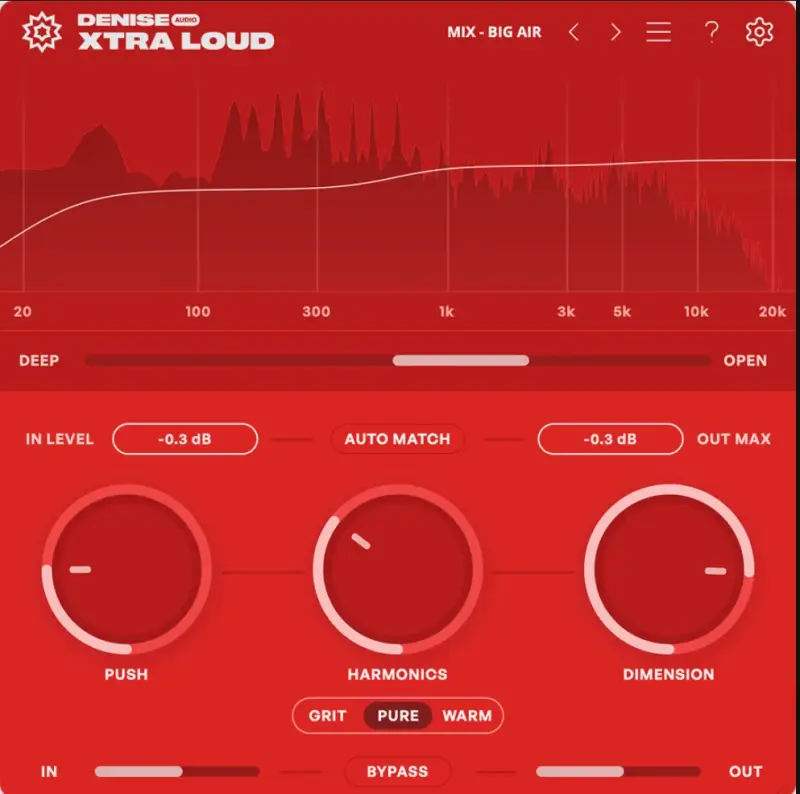
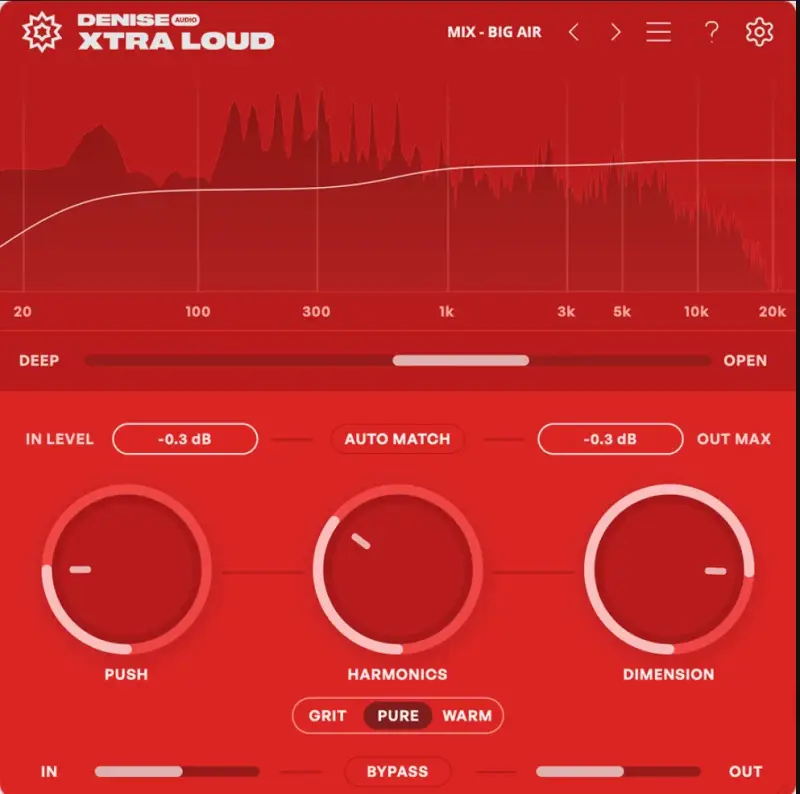
Denise Audio’s Xtra Loud puts compression, clipping, saturation and stereo enhancement in one plugin aimed at a familiar production problem: making audio feel denser and more present while keeping peaks under control. Its introductory price is $29, down from the regular $79.
That combination could suit producers who want a quick way to shape a synthesizer, drum group, bass part or mix without assembling a chain of separate processors. The controls cover several factors that affect perceived intensity, but the results will depend on the source material and how far each stage is pushed. I haven’t tested the plugin, so its sound and behavior under heavier processing still need to be assessed in a session.
Peak level is only part of loudness
Turning up a track raises its peak and average level together. That may not be useful when short transients already approach the available headroom, even if the sustained sound feels comparatively quiet. Compression and clipping can reduce the difference between those peaks and the body of the signal, leaving room to raise its average level.
Saturation adds another tool. By introducing harmonics, it can affect how clearly a sound registers in a mix, including on smaller speakers. The tonal result depends on the recording, the amount of saturation and the frequencies emphasized. It’s a different kind of change from simply raising the fader, and it calls for listening in the context of the arrangement.
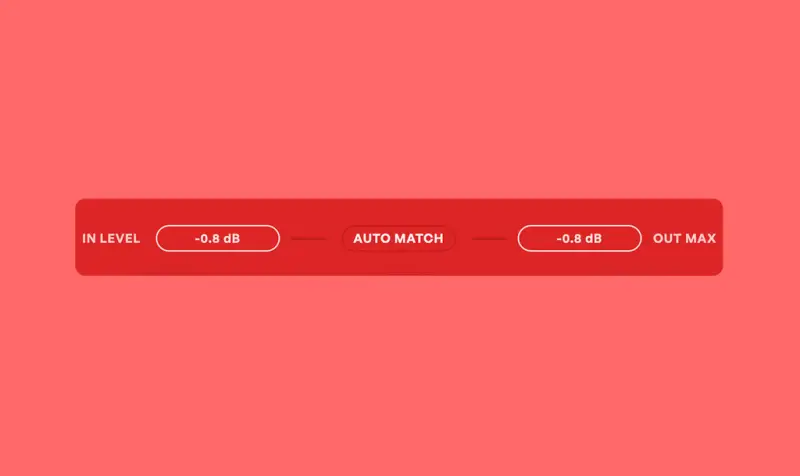
Xtra Loud’s Auto Match function sets the output peak ceiling to the peak level detected at the input. That offers a convenient way to keep the maximum sample peak consistent while adjusting density. It doesn’t make the processed and unprocessed signals equally loud to the ear: compression can increase average level while the peak remains the same. Level matching during comparisons still matters, especially when deciding whether a change improves the sound or merely makes it louder.
Three controls shape the signal
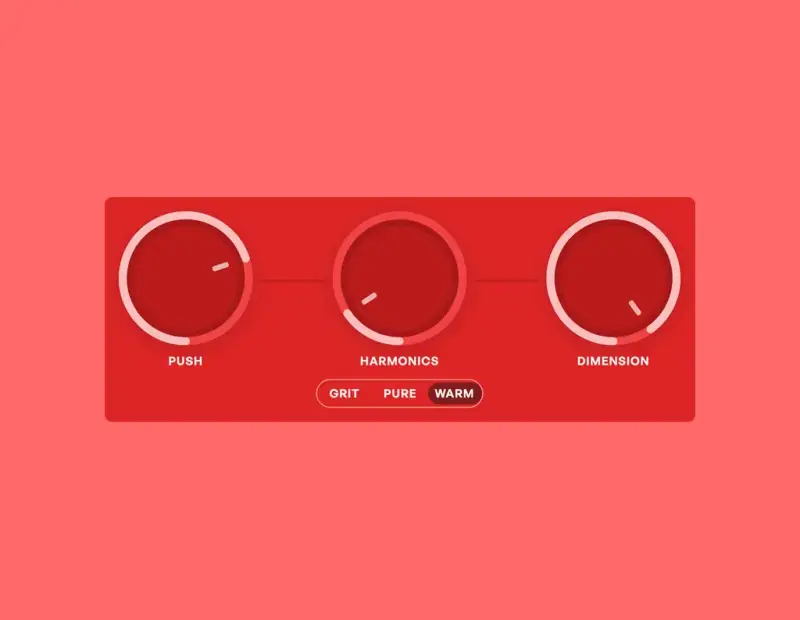
Push combines two compression engines with clipping. Its role is to increase density and manage peaks, making it the control most directly associated with loudness. Drum groups, synthesizers and mixes with pronounced differences between transients and sustained material are among the possible applications.
Harmonics offers three saturation modes. Pure is intended for subtle enhancement, Grit draws on diode-inspired distortion, and Warm provides tube-style coloration. Those choices give producers ways to change the character of the added harmonics. A restrained setting may add presence without an obviously distorted tone; stronger processing can shift the sound more dramatically.
Dimension controls an analog-modeled stereo enhancement stage designed to widen the image while maintaining mono compatibility. It could be used on stereo instruments or broader material, though mono playback remains a useful check when increasing width.
A separate Focus slider adjusts tonal balance across low-frequency weight, midrange presence and high-frequency definition. Alongside the three main controls, it gives users a way to steer the result without opening a separate equalizer. The combined layout is designed to keep several related adjustments within one interface, rather than requiring a compressor, clipper, saturator and stereo processor in separate plugin windows.
That streamlined approach may be useful during writing and sound design, when quick decisions on a synth or drum bus can keep a session moving. For detailed mastering work, the limited set of controls may offer less access than a chain built from processors with individually adjustable stages. The right fit depends on whether speed or granular control matters more for a given task.
Price, formats and system support
Denise Audio released Xtra Loud on November 24, 2026. The introductory price is $29, compared with a regular price of $79. Supported plugin formats are VST, VST3, AU and AAX. The stated operating system requirements are Windows 10 or newer and macOS 10.13 or newer, with native Apple Silicon compatibility.
A free trial is available. The unlicensed version inserts five seconds of silence after each minute of processing, a limitation to account for when evaluating it in a project.
For buyers considering it as a fast loudness-shaping tool, the key questions are practical: how the compression and clipping respond to the material, whether the saturation modes suit the intended tone, and whether Dimension behaves as desired in mono. The advertised control set covers those areas in a compact package; a session trial is the next step for judging how it handles a particular mix or instrument.


