Birch Guitars Returns With a Dave Hill Signature Model and Its Distinctive Magnum Pickups
Birch Guitars is relaunching with Dave Hill’s first signature model, bringing back the custom-built approach and cobalt steel Magnum pickups.
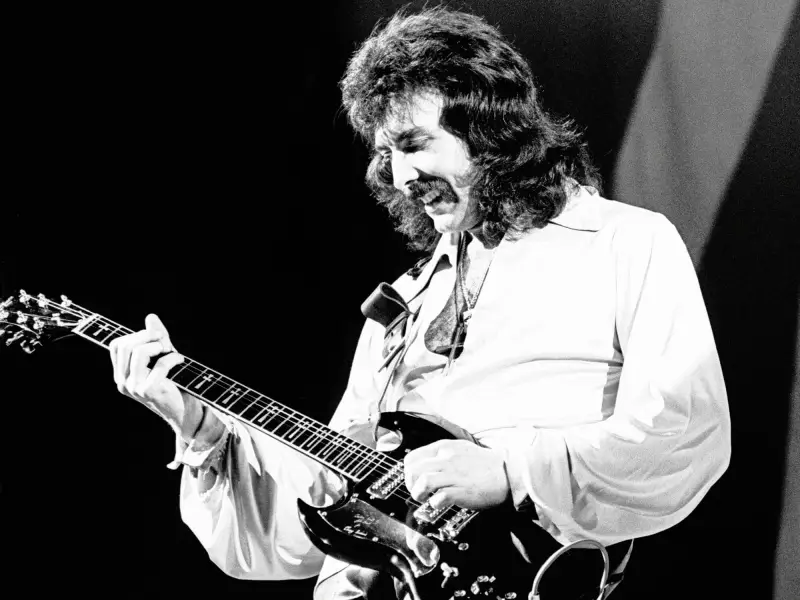
Birch Guitars is returning under new ownership with a project that connects its custom-built history to one of its longtime players: a Dave Hill signature guitar. The relaunch brings together owner Peter Francis, original co-founder John Diggins and Diggins’s sons Michael and Andrew. For Hill, whose custom “SuperYob” was built by John Birch in 1973, the new model is also a long-awaited recognition of Slade’s place in the company’s story.
A British alternative to imported guitars
When Birch began in 1970, guitarists in England had fewer local options for distinctive instruments than players can find today. Hill recalls that buying a guitar could mean travelling to Birmingham or London’s Denmark Street, while musicians seeking particular American models sometimes had to order from overseas. Birch’s custom work gave players a local route to instruments that looked and sounded different from the familiar Fender and Gibson designs.
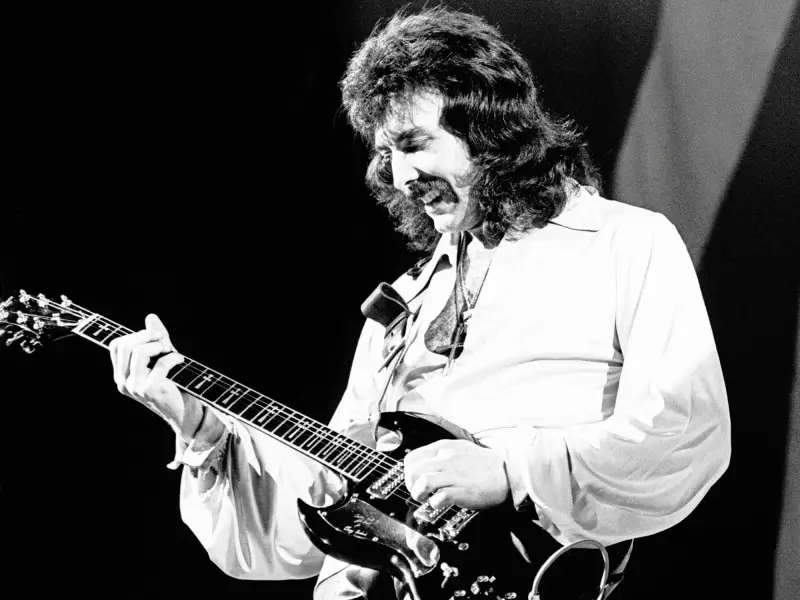
Founded by John Birch, Arthur Baker and John Diggins, the company built guitars for a roster of established players that included Roy Orbison, Nazareth’s Manny Charlton, Black Sabbath’s Tony Iommi and Hill. Hill’s own “SuperYob,” first made in 1973, became a defining part of his stage identity.
Birch’s best-known association may be Iommi’s custom SG. After Gibson declined his request for a 24-fret version, Iommi turned to Birch. The resulting black guitar had 24 frets, cross inlays, an ebony fingerboard and two John Birch Magnum pickups. Iommi used it on Black Sabbath albums including Technical Ecstasy (1976), Never Say Die! (1978), Heaven and Hell (1980) and Mob Rules (1981).
What sets the pickups apart
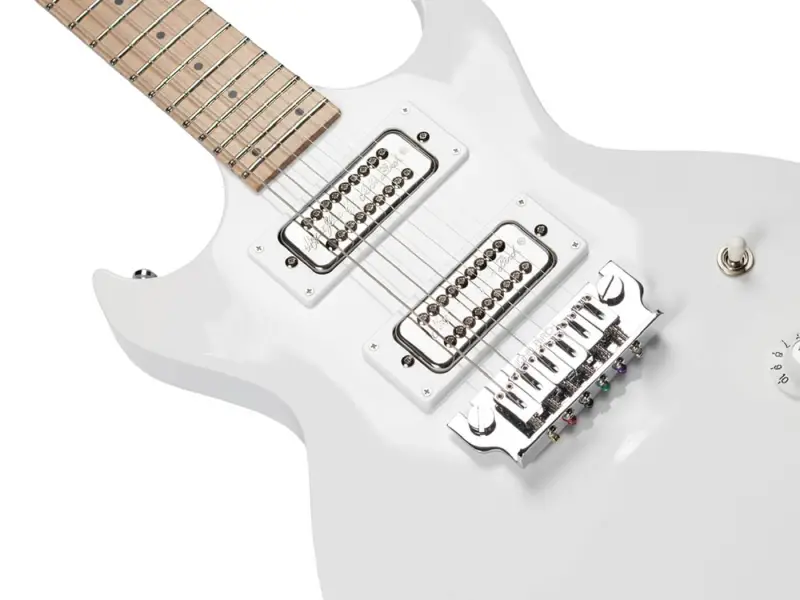
The Magnum pickup design is central to the Birch sound. Instead of the Alnico or ceramic magnets commonly found in standard guitar pickups, Magnums use cobalt steel magnets and are overwound. That construction raises output while reducing some high-frequency content and emphasizing the low and mid ranges, according to the account of the design.
Hill remembers Birch as a builder who kept experimenting with pickup tone and wiring. He describes one stereo-style pickup arrangement as producing a broader sound that seemed to spread to either side, though he says he doesn’t know exactly how Birch achieved it. He also recalls hearing that Brian May visited Birch, but isn’t certain whether May considered changing his setup.
That appetite for variation is part of Birch’s appeal to players who want a guitar with a more individual voice. Hill argues that many current guitars share the same pickup models across a product line, which can make instruments sound alike. He points to the variation in how pickups were wound on guitars from the 1960s as one reason players developed distinctive tones. In his view, custom winding helped give guitarists such as Eric Clapton, Mark Knopfler and Hank Marvin recognizable sounds.
A signature model, at last
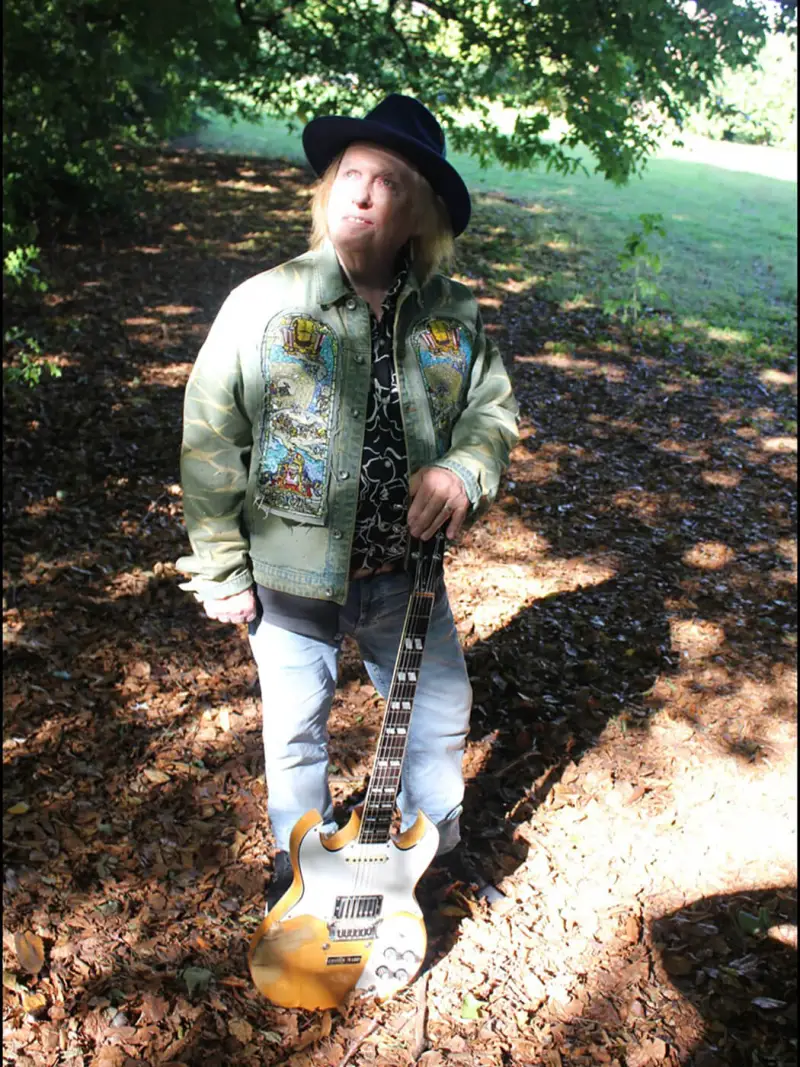
Birch Guitars stopped operating in 1980. Diggins had already set up Jaydee Custom Guitars, where he continued making custom instruments. John Birch returned to guitar building in 1993 and continued until his death in November 2000. The brand is now being reactivated after more than four decades, with Hill’s signature model first in line.
Hill says Slade had never been approached about a signature instrument during his years with the band. Noddy Holder recently remarked to him that no company had made one for Slade either. The new guitar will carry Hill’s name and signature, giving the project a personal connection to the band’s history as well as Birch’s.
Hill’s recent work beyond Slade
The relaunch arrives as Hill has also put out his first solo album, Dirty Foot Lane, released in October when he was 80. The record moves through blues and folk, with more atmospheric passages, and offers a more introspective, autobiographical side of his writing. Influences including The Shadows and Tom Petty can be heard in his guitar playing, alongside the energy associated with Slade’s best-known material.
Django Holder, Noddy Holder’s son, produced the album and played on some tracks. Hill describes him as calm and talented, a useful presence on songs he found emotionally demanding.
Hill is proud of what Slade achieved, even though the band didn’t reach comparable commercial success in the United States. He believes its influence travelled further than its sales, naming Kiss and Aerosmith among the American groups that have cited Slade as an influence, particularly the live album Slade Alive!. Birch’s return with a Hill model gives that history a tangible form: a custom instrument tied to a player whose career helped establish the brand’s identity.


