ATC SCM20ASL Review: Active Standmounts Built for a Live, Detailed Sound
ATC’s £6,500 SCM20ASL combines four amplifiers, in-house drivers and revealing playback. Its bass reach is limited, but the reviewer found no need for a subwoofer.
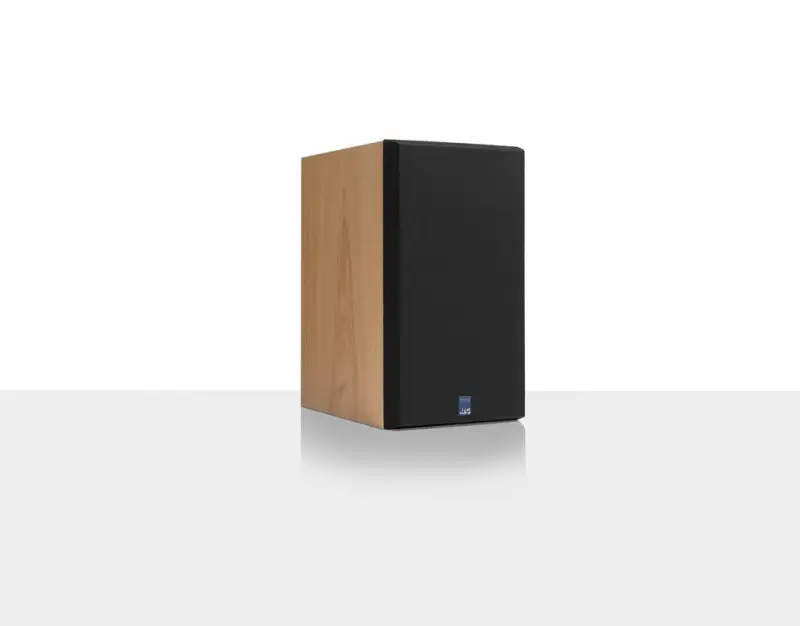
The ATC SCM20ASL makes a strong case for judging a speaker by what it brings into the room, not just how far its bass extends. This active standmount is rated to -6 dB at 55 Hz in an anechoic measurement, yet its clean, immediate presentation and sense of performers in a space proved more persuasive than deeper reach. After extended listening, the reviewer ordered a pair before connecting ATC’s C4 Mk2 subwoofer.
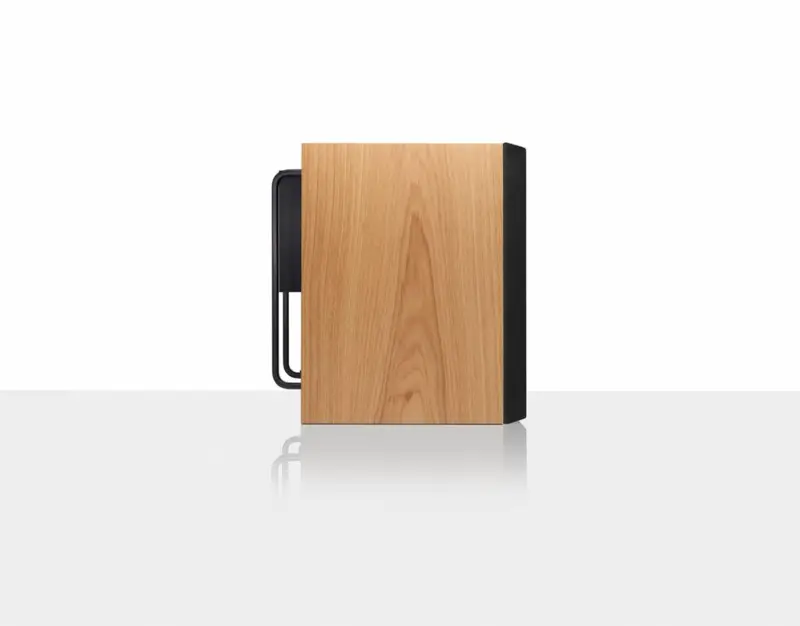
A traditional active design
The SCM20ASL is the active version of the smallest model in ATC’s Classic series. A pair costs from £6,500, €8,990 or $10,999, depending on finish. Each speaker contains a 200W amplifier for its mid/bass driver and a 50W amplifier for the tweeter, for four amplifiers across the pair.
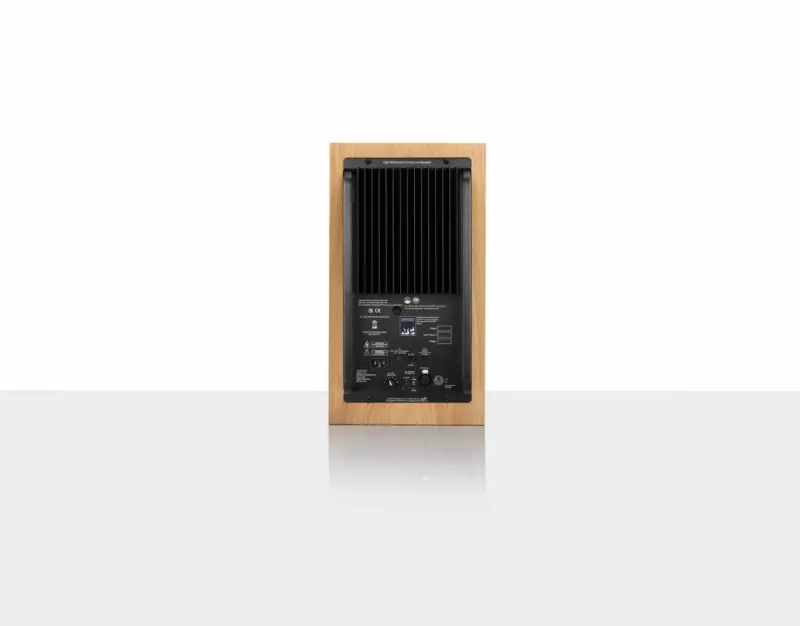
Each rear panel provides a balanced XLR input, variable input sensitivity and an analogue bass shelf adjustable from -2 to +3 dB. Both speakers need mains power. ATC recommends setting sensitivity so that normal listening uses about 80% of a digital volume control’s range, reducing the effects of bit reduction in many digital controls. With an analogue preamplifier, its suggested setting is 50%.
There are no built-in DACs, streaming functions or multiple inputs. The SCM20ASL is a straightforward active speaker, with a signal path designed around external sources and preamplification. That keeps system duties clear: choose and change the digital front end separately, while the speakers handle amplification and playback. Buyers looking for an all-in-one speaker will need to add those functions elsewhere.
ATC makes both drivers in-house. The two-way design pairs a 150mm Super Linear mid/bass unit with a 25mm S-Spec dual-suspension tweeter. ATC’s Ben Lilly says the company avoids materials with very high stiffness and low internal damping, because their strong breakup modes can be more disturbing than resonances in well-damped structures. It’s a design choice focused on controlling behaviour, rather than chasing exotic diaphragm materials.
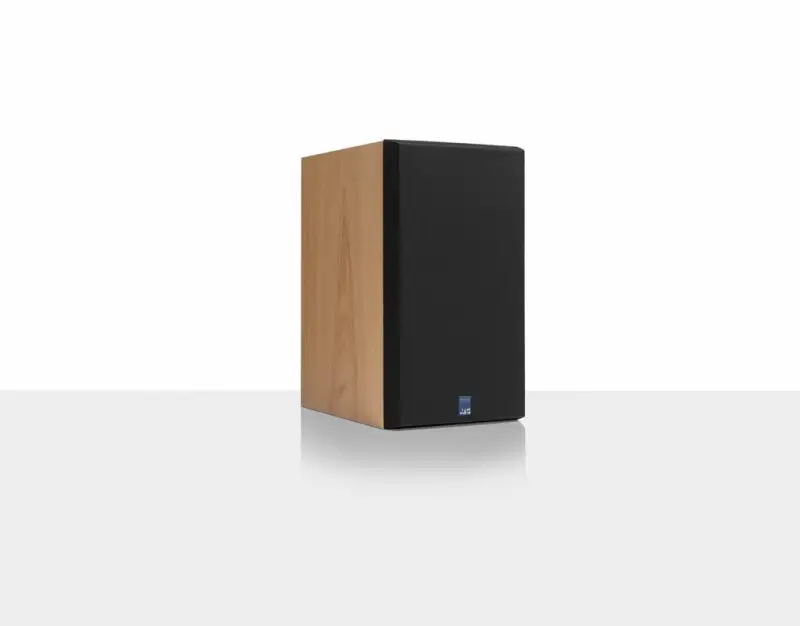
At 24.3kg each, these are substantial standmounts. The review pair came in Pippy Oak, a finish priced at £7,295. Eighteen finishes are available, some at a premium. ATC doesn’t offer matching stands; the reviewer found that Mo-Fi Sourcepoint 8 stands worked well. The cabinets were described as carefully built and visually less imposing than the reviewer’s usual speakers. The grilles made no audible difference in that room, so they stayed on.
Positioning and system matching
Although sealed cabinets can be easier to place, the SCM20ASL responded clearly to changes in position. The reviewer began with the speakers 30cm from the wall, then found that moving them to 60cm improved soundstage depth and the placement of performers. ATC recommends aiming them at the listener, but a slight outward angle brought more air in this particular room. Those results are useful starting points, not a substitute for adjusting placement in the listening space.
The speakers also exposed differences in the upstream system. A Cambridge Audio Edge NQ served as the preamplifier, while the digital front end compared its streamer and DAC with an M8X DAC receiving a signal from an Allo USBridge Signature streamer. The external streamer and DAC, with the M8X running at fixed output, came across as more refined, more detailed and more dynamic. The Edge’s analogue volume control also sounded better to the reviewer than the M8X’s digital volume control.
Clear, immediate playback
The SCM20ASL’s defining quality was a sense of direct connection to the recording. The reviewer heard a very clean presentation that seemed to remove distractions between listener and performer. This wasn’t a thin or sterile balance: the ATCs could sound full and weighty when the music called for it.
Dan Patlansky’s “Big Things Going Down,” with its blues guitar and gritty vocal, had ample body. Gerald Albright’s “Sooki Sooki” arrived with a similarly full tone, while Teodor Currentzis’ recording of Tchaikovsky’s Sixth Symphony carried convincing scale. The speaker’s 55 Hz anechoic low-frequency limit is higher than that of some standmount rivals, but the reviewer found that the strength and presence of the performance mattered more in practice.
Midrange clarity didn’t come at the cost of warmth. Richard Burton’s spoken introduction to Jeff Wayne’s War of the Worlds retained its plush character. The ATCs also rendered Janos Starker’s recording of Bach’s Cello Suites with a sense of being present in the recording space. These are listening impressions from the review, not measurements, but they point to a speaker able to preserve tonal richness while keeping voices and instruments sharply defined.
The treble asks for care. Its directness makes harsh or heavily compressed recordings sound harsh and compressed; bright material can be fatiguing, particularly at elevated levels. The reviewer sometimes turned the SCM20ASL up beyond their usual level, drawn in by the clean presentation, then found that lowering the volume eased the excess intensity. On recordings that suit the balance, the payoff is unusually fine resolution: small changes in piano decay and details inside dense mixes were easy to follow.
That combination stood out on Abdullah Ibrahim’s Dream Time, Omar Sosa’s “Sunrise” and Telefon Tel Aviv’s “I Dream Of It Often.” On the last track, the speakers conveyed both the music’s impact and the layers within its complex arrangement. Against the reviewer’s passive Mo-Fi Sourcepoint 8 speakers and Prima Luna EVO300H amplifier, the familiar system sounded relaxed and complete, but the SCM20ASL made the performance feel more immediate. The reviewer preferred that closer, less forgiving presentation.
Specifications and the subwoofer question
The technical figures describe a two-way speaker crossed over at 2.2 kHz, with a maximum output of 108 dB continuous and 114 dB peak. The stated frequency limits are 55 Hz at -6 dB for bass and 25 kHz at -6 dB for treble. ATC specifies a second-order Linkwitz-Riley crossover, a 20kΩ differential input impedance and an input sensitivity of 2.2dBu/1Vrms for full power. The MOSFET Class A/B amplifiers are rated at 200W into 8Ω for bass and 50W into 8Ω for high frequencies.
At the time of the main listening sessions, the reviewer had not yet connected the C4 Mk2 subwoofer, rated to -6 dB at 22 Hz. The SCM20ASL’s bass reach may matter to listeners who need deep extension, and the sub offers a way to extend it. But the reviewer’s later footnote is clear: after listening extensively with the C4 Mk2, the speakers still emphatically did not need a subwoofer. For buyers considering this system, the practical starting point is to hear the standmounts on their own, place them carefully and decide whether the lowest octave is missing from the music they play.
Full product details are available from ATC.


