Instagram Features Offers Long-Form Video and Select Creator Deals, but No Ad Share
Instagram is testing 90-minute videos and paying selected creators up to $500,000. Most creators still have no ad share for Features.
Instagram is trying to build a long-form video business around two things creators can use now: horizontal uploads of up to 90 minutes and direct payments for a select group. The payments, reported at $50,000 to $500,000 per creator, could help fill the platform’s new video library quickly. But most creators have no direct ad revenue from Features, leaving the format’s financial case unfinished.
Instagram introduced Features on October 26, 2026, in a video from Tessa Lyons, Instagram’s Vice President of Product, and in an interview with Instagram head Adam Mosseri on The Colin and Samir Show. Features are horizontal videos intended for podcasts, interviews, vlogs and other long-form work. They appear in the main feed and Explore. The test began with creators in Brazil, with a rollout to select US creators planned for October, according to TheWrap.

A longer format with a TV destination
The 90-minute limit is a clear shift for a service shaped by short, vertical video. Mosseri described the reasoning in broad terms: “We want to be the most culturally relevant platform, and to do that, we need to show up where people are.” The product design points toward a specific place: the living room. A long horizontal video is easier to position as something viewers might watch on a television than as another quick phone clip.
Features also comes with tools meant to connect short and long viewing. Linked Reels let selected creators publish a Reel that points viewers to a full Feature. In the Brazil test, as many as eight clips can link to one long video. That gives creators a way to use familiar short-form promotion while keeping the full viewing session inside Instagram.
Series adds a profile space for episodic Reels. Instagram has tested it with selected creators in the US, India and Mexico since spring, and plans to extend it to more countries by the end of the year. The TV features let users save Features and Series on a phone for later viewing on television. Instagram is also testing a second-screen option that turns the phone into a remote.
These pieces make more sense together than the upload limit alone. A clip can introduce a longer video, a profile can collect episodes, and a television app can provide a place to watch them. The unresolved part is whether viewers will build a repeat habit around that path.
Direct deals seed the catalog
Three days after Features was introduced, Business Insider reported that Meta had offered some creators $50,000 to publish long-form video, while other offers reached six figures and up to $500,000. Meta confirmed it is funding some Features content, but said the terms are confidential.
The reported deals do not require creators to publish exclusively on Instagram. People familiar with the agreements told Business Insider that one expectation is for creators to post to Instagram on the same day as they publish long-form video on YouTube. That arrangement asks creators to add distribution, not abandon an established channel. For Meta, it can bring recognizable creators and a ready supply of videos into a format that otherwise starts with an empty library.
Reza Izad, co-CEO of Underscore Talent, described the early opportunity as attractive because new formats can receive algorithmic attention and have less competing content. That could help participating creators reach viewers while Features is still new. Instagram has not published details about how it ranks the videos, though, so the size or duration of any reach advantage is unknown.
IGTV is the cautionary precedent
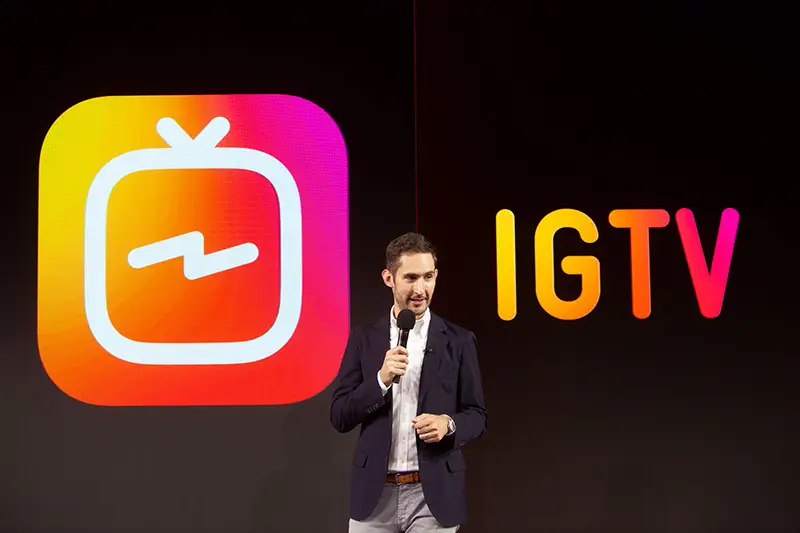
Instagram has tried long-form video before. IGTV launched in June 2018 with uploads of up to one hour, a separate app and a focus on vertical video. In 2020, Instagram added ads and offered creators 55% of ad revenue, matching YouTube’s long-form share. The following year, it funded episodic creator shows, including work by the Sway Boys and Nia Sioux.
IGTV failed to gain lasting traction. Instagram folded it into a general Instagram Video tab in 2021, then shut down the standalone app in 2022 as Reels took priority.
Creator payments have also come and gone in different forms. Meta paid some creators to make short-form videos for Instagram and Facebook last year, and Instagram has tested bonuses tied to Reels performance. Those bonus programs have since dwindled, according to Business Insider.
Mosseri had argued for years that Instagram should stay focused on short-form video. In 2024, he said as much and described earlier Reels bonuses as “burning money.” In his recent interview, he acknowledged that he had opposed long-form video for a long time and now wants the platform to pursue it. Features differs from IGTV in its horizontal format and its connection to television viewing, but the older product is a reminder that a new tab and a launch push do not guarantee a durable audience.
The living room is the competitive target
Instagram launched its TV app on Amazon Fire TV in the US in December 2025, then brought it to Samsung smart TVs and Google TV. Apple TV support is expected next, with TheWrap reporting a launch in October. The TV app now gives priority to Features, tying the new format directly to Instagram’s attempt to reach viewers on their televisions.
YouTube has a significant head start in this setting. It has ranked as the leading streaming service by viewing time on US televisions for years, and has built up a large catalog of long-form creator video. Instagram has an enormous existing audience, but it still needs to establish both a comparable library and the habit of watching its videos on a TV. The direct deals look like a way to acquire some of that supply before a broader creator program exists.
Most creators still lack a video ad share
For creators outside the funded group, Features currently offers no share of ads shown beside their long videos. Variety reported that Instagram has no plan for an ad revenue share like YouTube’s at this stage. A spokesperson said it was too early to outline a long-term model and that the company was exploring brand, fan and performance-based incentives.
After creators raised the issue, Mosseri wrote on X on October 28: “We understand the economics matter a ton, and are exploring multiple options to help long-form creators get paid.” That statement leaves the door open, but does not set out a payment plan. In the interview, he said Instagram had no current plan for a revenue share across short- and long-form video.
Existing options include brand partnerships, subscriptions, viewer gifts and invitation-only bonuses. None provides a fixed share of advertising revenue from a Feature. A creator who posts a 40-minute camera review or a behind-the-scenes documentary without a direct Meta deal therefore has no platform ad income from that video under the current setup.
YouTube’s established economics
YouTube gives eligible creators 55% of ad revenue from long-form videos through its Partner Program. The platform says it paid more than $100 billion to creators, artists and media companies over four years. That model gives creators a recurring revenue mechanism once they qualify, though YouTube is raising its entry requirements from February 1, 2027.
Under the updated rules, new channels will need 1,000 subscribers and either 8,000 qualified watch hours over the previous 365 days or 20 million qualified Shorts views over the previous 90 days. Those thresholds are double the current requirements. Channels already enrolled keep their status. YouTube also changed how it counts views in August.
The comparison is plain: YouTube has a defined ad share for qualifying creators, while Instagram is open to creators but currently pays direct video fees only to a selected group. Instagram’s direct deals may be substantial, but they are not a general income model.
What creators can use Features for now
As a replacement for YouTube income, Features does not yet make a strong case. Creators who rely on long-form ad revenue would give up that income if they moved their videos to Instagram alone. As an additional outlet, the format is easier to justify, especially for channels whose income comes mainly from brand work or who are building an audience alongside their existing platform.
That approach also matches the reported terms of Meta’s deals: same-day posting alongside YouTube, rather than exclusivity. Creators already use Reels to point viewers toward longer YouTube videos. Features could keep both the promotional clip and the complete video in Instagram, potentially making it easier to reach viewers who prefer to stay there.
The next practical questions concern access and production. Instagram has not said when Features will reach all creators or which countries will be included. It has not published upload specifications for resolution, frame rate, HDR or bit rate, or explained how it handles compression for television playback. Separate viewing analytics for the TV app have also not been detailed.
Whether Instagram adds ads to Features and shares that income with creators is the central business question. Meta may first use selected deals to see whether long-form videos can attract viewers and advertisers. That is a plausible reading of the strategy, not a stated plan. For now, creators can treat Features as a possible additional distribution channel, while keeping their established monetization model in place.
Availability
Features is being tested with selected creators in Brazil and the US. There is no public sign-up process, general rollout date or broad monetization program. Only creators with direct Meta deals are being paid for Features content at this stage. Instagram’s TV app is available in the US on Amazon Fire TV, Samsung smart TVs and Google TV, with Apple TV support expected next.


