Eric Jerardi’s The Game Brings Blues Rock Into Dolby Atmos
Eric Jerardi’s 12-song blues-rock album pairs a live-room Atmos mix with 5.1 and binaural versions, giving its guitars, keyboards and harmonies room to breathe.
Dolby Atmos can make a difference even when the music isn’t packed with layers. Eric Jerardi’s The Game puts that idea to work with a lean blues-rock band: guitars, drums, keyboards and backing vocals occupy distinct places around the listener, creating the impression of being inside the room as the musicians play. The album is due October 30 through Alternator Records and marks Jerardi’s first studio LP in nearly a decade.

A songwriting dare became an album
The project began with a challenge from a close friend: write 12 songs in 12 weeks. Each Wednesday brought a phrase that Jerardi had to use verbatim in that week’s song. Miss a deadline and he faced a financial penalty; too many missed deadlines would mean failing the challenge. That constraint gave the record a clear starting point, while its 12 tracks range across loss, memory, rejection, love, betrayal and connection.
Jerardi has spent several decades in blues-rock. His earlier releases include Virtual Virtue (2002), featuring Rolling Stones keyboardist Chuck Leavell, and Occupied (2019), made with producer David Z, whose credits include Prince, Fine Young Cannibals and Johnny Lang. Jerardi has also shared stages with Robin Trower, Jim Belushi, Eric Johnson and Keith Urban.
He also owns Jerardi’s Little Store in Dayton, Ohio, where he curates fine wines. The shop’s back room brings his interests together in the YouTube series Backroom Blues & Bottles, which features stripped-down performances. That intimate setting is a useful frame for The Game: the album’s immersive presentation favors the feel of musicians sharing a room over a wall of studio effects.
Three versions for different playback setups
Alternator Records head Michael James produced the album. The sessions feature Cindy Walker and Marie Lewey, the Muscle Shoals backing vocal duo; Rachael Schroeder also joins the three-woman vocal group heard in the mixes. The album is available in stereo and Dolby Atmos. The high-resolution digital package, sold through the IAA shop, includes three versions:
- Dolby TrueHD/Atmos mix
- 5.1 surround mix derived from the Atmos master
- Binaural mix for listening on headphones
For listeners who don’t have an Atmos speaker system, the binaural version offers a headphone option, while the 5.1 mix supports a conventional surround setup. The spatial mix’s appeal lies in its placement choices: instruments and harmonies have room to move without needing an especially dense arrangement to fill the space.
Blues has relatively few prominent immersive releases to point to. B.B. King’s recordings received four-channel quad mixes in the mid-1970s, with mixed results. Later, JSP Records released 5.1 SACDs by Buddy Guy, Jimmy Witherspoon and Lowell Fulson. The Game adds a contemporary Dolby Atmos example to that small group.
Arrangement choices shape the Atmos mix
James has made Atmos mixes for Elliott Waits For No One and Colin Keenan, as well as his own solo work. Here, the mix places Jerardi and the band around the listener, with some elements reaching overhead. The stereo version has its own appeal, but the spatial presentation makes the individual parts easier to pick out: vocal harmonies, keyboards and guitars each take on a clear position in the room.
“I Don’t Belong With You” opens with Jerardi’s vocal and lead guitar across the front, alongside the drums, while keyboards come from behind. On the words “if I told you,” lower harmonies enter from the rear surrounds; another set of gospel-style backing vocals answers from above. It’s a compact demonstration of how channel placement can make a familiar band arrangement feel conversational.
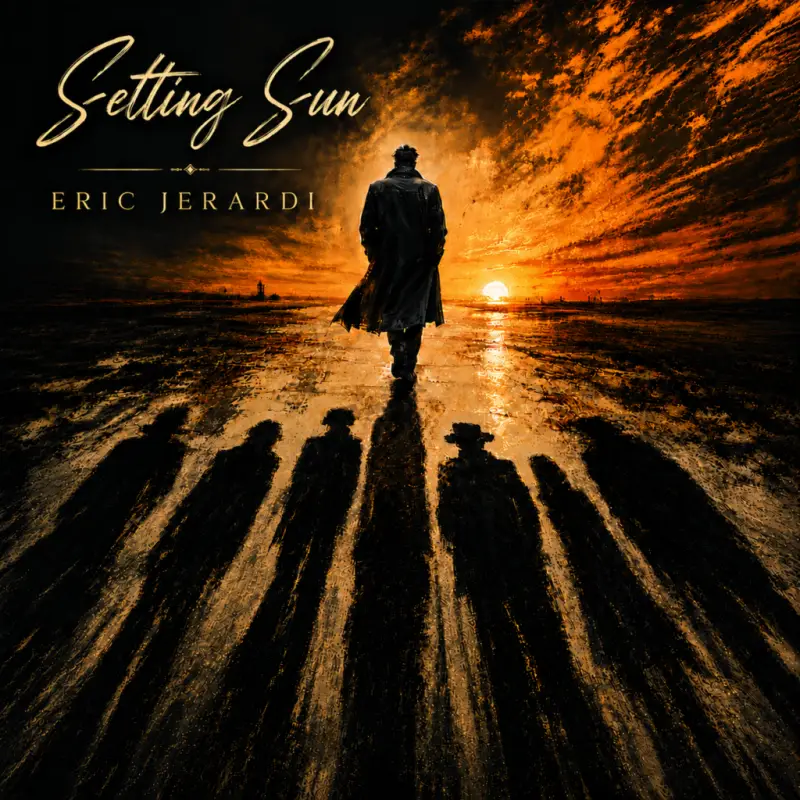
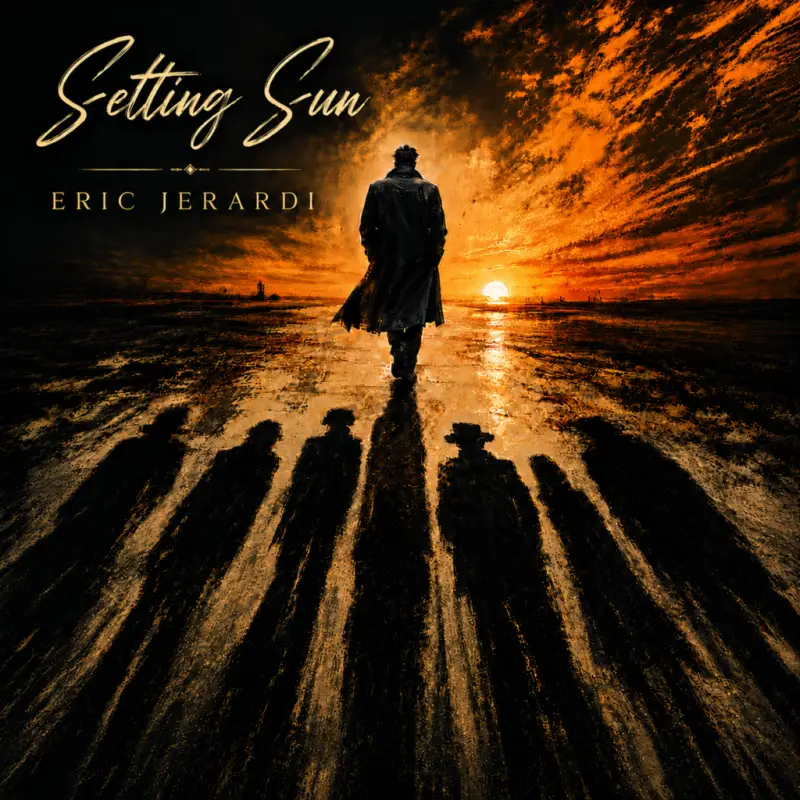
The first single, “Setting Sun,” considers survivor’s guilt and the memories left by a friend’s death. Organ swells fill the rear surrounds behind Jerardi’s vocal, and the guitar solo, just after the two-minute mark, projects into the room. “A Man Ain’t A Man Until His Father Dies” puts the choir in the height speakers and gives the side and rear channels separate rhythm-guitar parts, keeping the lead material up front.
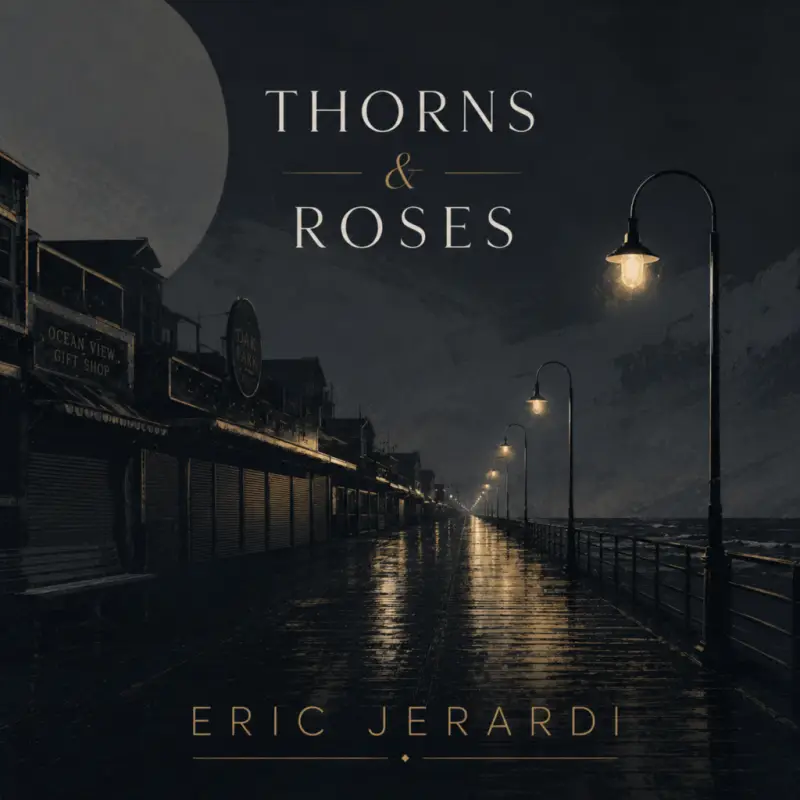
On “Unexpected Connections,” a song about rejection and finding a way forward, piano moves to the rear while the guitar leads stay at the front. The chorus phrase “free your mind” spreads overhead and around the listener. “Hard Being Here” shifts acoustic guitars to the side surrounds and lets the keyboards hover behind, while “Thorns & Roses,” the second single, places the harmonies of Walker, Lewey and Schroeder largely overhead as it returns to love and loss.
“Count on You” separates guitar layers between the front and side speakers. After the line “but I can count on you,” organ arrives from behind, followed by rear-channel acoustic guitar and backing vocals that spread through the mix. “Lies and Truth” brings heavier riffs and a wah-wah solo; its verse guitar parts appear in the height speakers. Jerardi’s line “Lies take the elevator, truth takes the stairs” gives the song’s themes of betrayal and jealousy a memorable turn.
The final stretch keeps changing the arrangement. Drums drive across the front in “Dig Down Deep,” with guitars entering from behind for the chorus. “Light Danced Through Your Window” slows the pace, setting Jerardi’s guitar toward the front height speakers against subtle rear keyboards. Bluesy closer “When Nature Speaks” returns to fiery guitar and enveloping vocal arrangements.
Alternator Records is an independent label founded by James that specializes in immersive audio. The label’s approach, as described for its releases, is to plan for Atmos during the arrangement and production process. The Game makes that approach audible through specific musical decisions: the band stays recognizable, while parts move around the room in ways that serve each song. For blues-rock listeners, it’s a useful reminder that an intimate ensemble can give a spatial mix plenty to work with.


