Focal Bathys MG Review: Magnesium Drivers Refine a Premium Wireless Headphone
The Bathys MG pairs Focal’s 40mm magnesium drivers with Bluetooth, USB DAC and analogue listening, bringing tighter bass control and a spacious presentation.
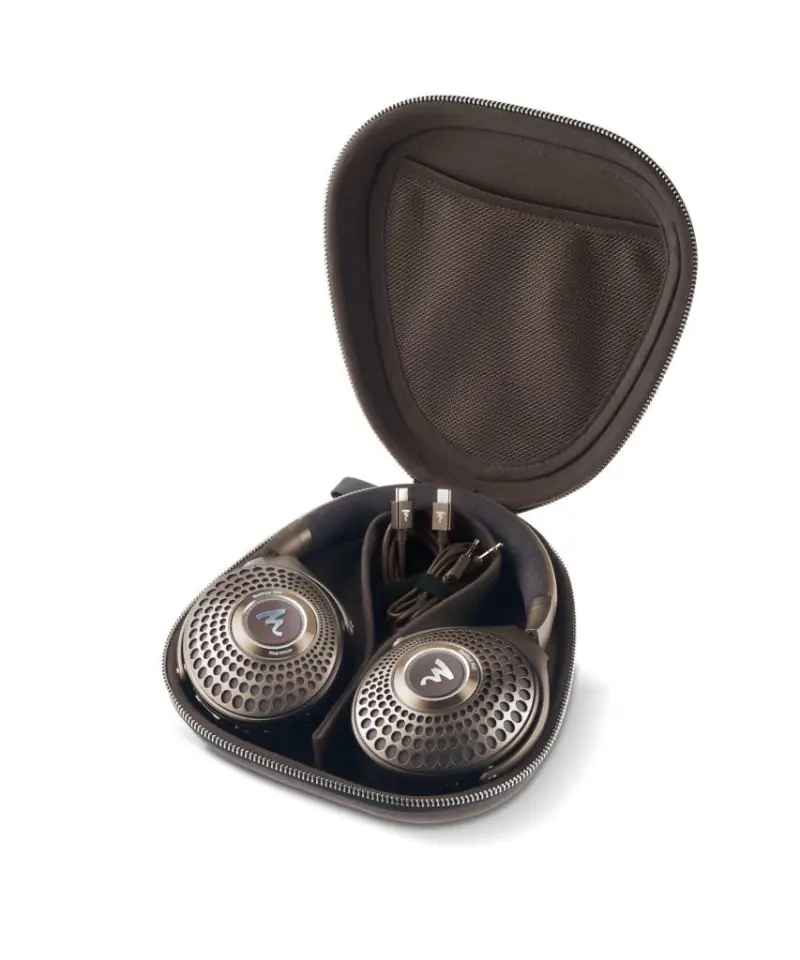
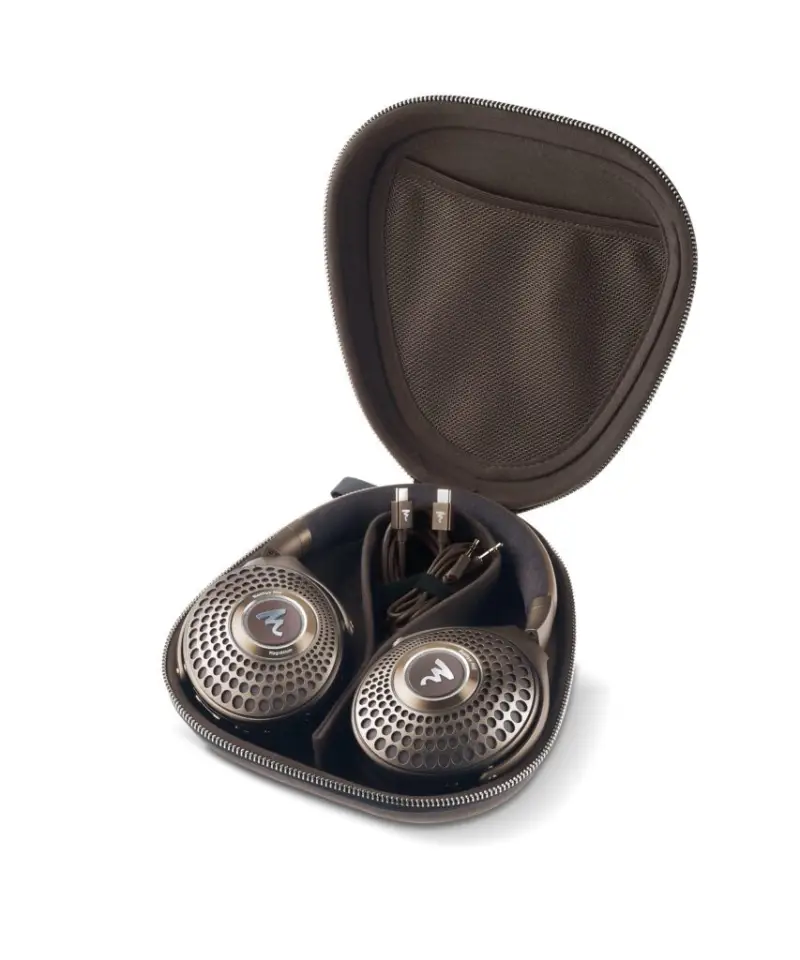
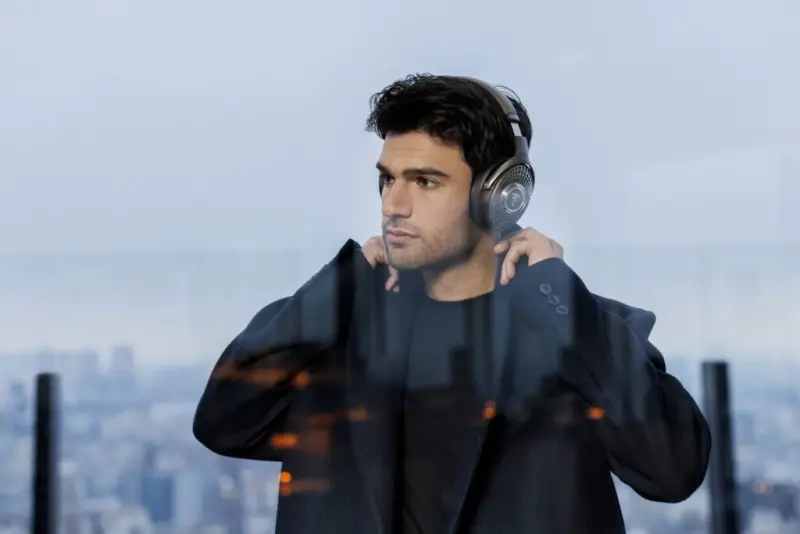
Focal’s Bathys MG makes its case through a change that’s easy to overlook on a specification sheet: its 40mm drivers use pure magnesium instead of the aluminium and magnesium alloy in the standard Bathys. The result, in listening, is a more composed low end and a stronger sense of definition. For a closed back wireless headphone, that refinement helps the MG feel like a considered step up rather than a cosmetic variation.
The Bathys MG sits above the Bathys in Focal’s headphone range. It keeps the same flexible listening setup: Bluetooth, USB-C digital audio with onboard decoding, and a wired analogue input that passes the signal without converting it. Bluetooth 5.2 supports AAC, aptX, aptX Adaptive and SBC, while USB DAC mode handles PCM up to 24-bit/192kHz. That mix gives the headphone a place in a travel bag and at a desk, with a direct digital connection available when sound quality takes priority.
Magnesium changes the character
Both Bathys models use a 40mm driver format, but their diaphragm materials differ. The standard Bathys uses Focal’s aluminium and magnesium alloy. For the MG, Focal turns to pure magnesium, a material it had previously used in the Clear MG, introduced in 2021. Focal describes the magnesium driver as lighter and stiffer than the alloy version, qualities intended to support precise movement.
The headline specifications show a modest difference: the MG’s frequency response begins at 10Hz, compared with 15Hz for the Bathys. Both models have a stated distortion figure below 0.2% at 1kHz. The listening distinction is more telling than those figures alone. With John Grant’s Pale Green Ghosts [Bella Union], the standard Bathys can sound a little crowded as the title track’s bass sequence builds. The MG preserves the weight of those hits while keeping them quicker and more clearly separated. That added control gives the arrangement room to breathe.
There’s a musical payoff beyond bass definition. Depeche Mode’s “Precious,” from Playing the Angel [Sire], comes across with an involving forward motion: the sort of presentation that encourages listening into the track instead of dwelling on the hardware. A premium wireless headphone has to make the missing cable feel irrelevant. The MG does that convincingly.
Noise control and everyday use
Focal hasn’t changed the noise-cancelling system from the standard Bathys. Eight microphones support noise measurement and calls, and three settings cover different surroundings. Transparency lets outside sound through; Soft applies a lighter reduction for quieter environments; Silent provides the strongest attenuation for noisier situations. The headphone’s physical isolation also helps, and engaging noise cancelling doesn’t produce an obvious shift in tonal balance.
The system takes the edge off the sound of a flight or public transport, though it doesn’t set a new benchmark for cancellation. Bluetooth performance during listening was steady, including when moving away from the connected phone. Battery life is specified at 30 hours with Bluetooth and noise cancelling, 35 hours with a jack connection, and 42 hours in USB DAC mode. The lithium-ion battery is rated at 1,060mAh; charging takes 1.5 hours, and quick charging is supported.
The Focal and Naim app handles headphone settings in a focused way. Its headphone controls are separate from the app’s streamer functions, and using them doesn’t require a login. It also includes MiMi personalisation, which plays tones at different frequencies and asks the listener to indicate which ones they can hear. The Bathys MG then adjusts its output based on those responses. In listening, the compensation for reduced high-frequency hearing is effective without drawing attention to itself.
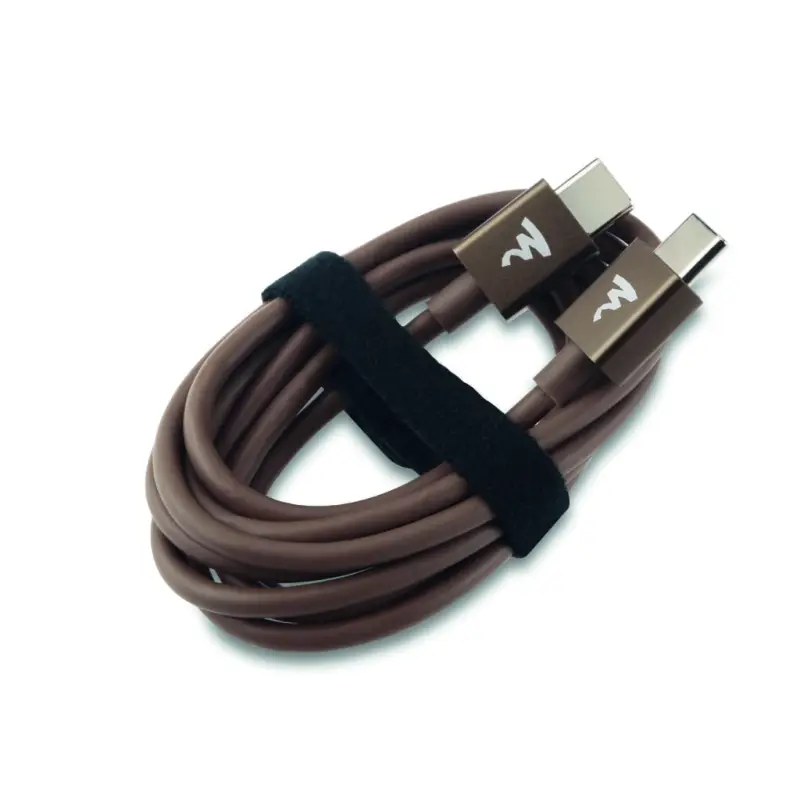
Construction is substantial, and the headphone feels comfortable despite wearing fairly large on the head. Its finish takes cues from the colour palette of Focal’s Clear MG. One practical snag turned up with the review sample: the supplied USB cable fit poorly, so another cable was used for charging and playback.
USB listening and the value question
Bluetooth provides a convenient daily option, but USB DAC mode is where the MG makes a particularly strong case for desk listening. Playing Ray LaMontagne’s Till The Sun Turns Black [RCA] from a MacBook Pro running as a Roon Endpoint produced a spacious, immersive presentation. Bluetooth, even with a capable aptX implementation, didn’t quite deliver the same experience. The closed-back MG won’t replicate a well-designed open-back headphone, but it gets closer than expected, and its wired analogue input offers another way to use the drivers without digital conversion in the headphones.
The main complication is the standard Bathys. It doesn’t match the MG’s refinement or finish, yet its recent price reduction put it more than £400 below the MG at the time of the review in 2025. That difference could make the original Bathys the more appealing purchase for listeners who value the platform and its feature set above the last step in sound quality. Those comparing both models in person may hear the MG’s tighter bass control and prefer its materials and colour scheme.
The Bathys MG is a 350g Bluetooth closed-back headphone with active noise reduction and a 40mm magnesium “M” profile dome. Focal specifies a frequency response of 10Hz to 22kHz, harmonic distortion below 0.2% at 1kHz, Bluetooth 5.2 multipoint, and eight microphones. Its listed prices are £999, €1,199 and $1,299. For listeners moving between travel, wireless playback and higher-quality wired sources, the MG brings those jobs together while making a meaningful, audible improvement over the Bathys where musical control matters most.