Kenneth Thomas Returns With ‘Work’ and a New Creative Outlook
After seven years away, Kenneth Thomas returns with ‘Work’, a Shawn Michaels collaboration featuring Dennyiah, and more than 12 releases planned.
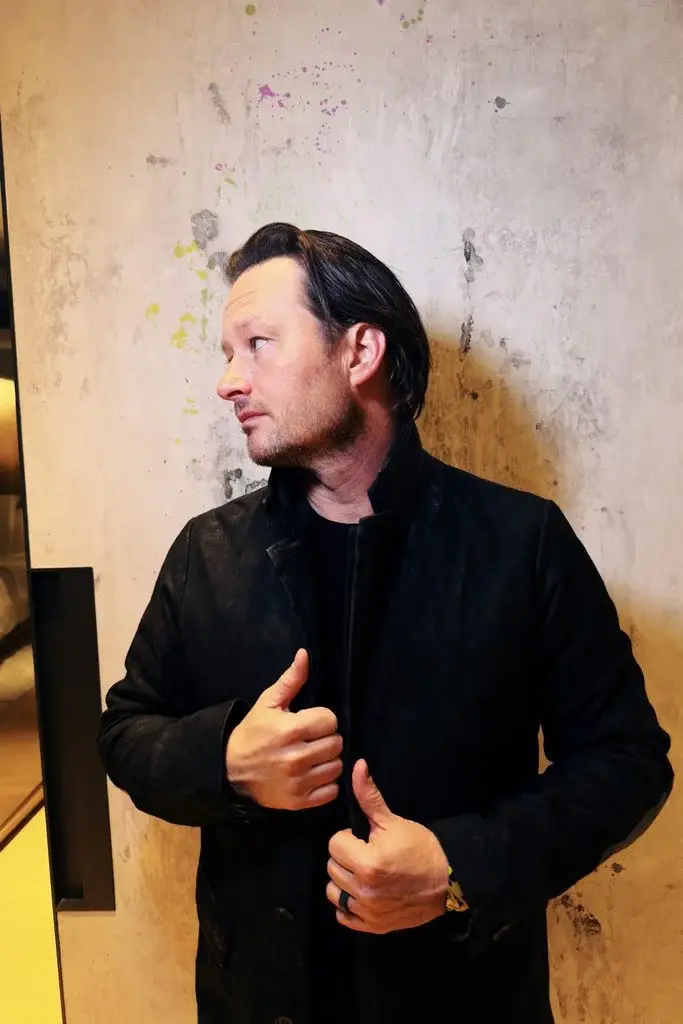
Kenneth Thomas’s return to dance music comes with a different relationship to the work. After seven years away from releasing music, the Detroit producer is back with ‘Work’, made with house DJ Shawn Michaels and vocalist Dennyiah. The track draws on Afro-house percussion, melodic house, progressive sounds and techno, while a wider run of more than 12 releases is planned for the coming year across house, progressive, trance and melodic techno.
That range reflects a career that has never sat neatly inside one sound. Thomas made his name through trance and progressive music, but says his current approach is less concerned with genre boundaries and career expectations. ‘Work’ began as an informal collaboration around an existing song; its development into a new vocal record became one of the first signs that his return might be more than a one-off.
A return that wasn’t planned
Thomas says he had no expectation of returning as an artist. His previous run, from 2000 to 2019, had given him a career he was proud of, but his priorities had changed. Rather than letting that period wind down by degrees, he chose to treat it as a chapter he could close deliberately.
He then rebuilt his day-to-day life around other interests, starting businesses and making music outside dance. For a while, electronic production wasn’t pulling him back in. At different points over those seven years, he opened Logic with the idea of writing a four-on-the-floor track, but found that the inspiration wasn’t there.
Instead, a stretch of writing melodic bass music for his own creative satisfaction gradually brought trance and progressive back into focus. The shift wasn’t part of a relaunch plan; Thomas says he simply began following the ideas that interested him, until he had a stack of new records. A one-off show in Detroit helped turn that private momentum into a return. He agreed to play at home and thought he might make one new track for the night. One became three.
His connection with listeners also began to change. Thomas started sharing stories about his career and talking about his continuing enthusiasm for DJing and dance music. People responded, and he found himself enjoying the public side of being Kenneth Thomas again. After the Detroit show, he says, performing felt right. He and his wife took time to pray about the decision and felt ready to take the next step.
Thomas describes his musical heart as unchanged, but his perspective as entirely different. He feels more secure in his identity and clearer about what he wants to make. The pressure to prove himself has eased, along with the expectation that his work must carry his whole sense of self-worth. He says the later years of his first run had become unhealthy, as the demands and identity of being a DJ became too closely tied to how he valued himself.
Time away helped him separate those things. He now has a life in which music matters deeply without defining his worth, and says that freedom has made the creative process more enjoyable. He recognizes that being able to step away and return to an audience is unusual, but sees the break as a gift to his music: he feels more energized and creatively open than he has in years.
From punk roots to trance
Thomas’s route into electronic music began outside the dance scene. He grew up around Detroit’s punk culture and remembers finding a connection between punk’s melodic intensity and the emotional scale of trance. Skate punk and ska could deliver the kind of uplifting chord changes he would later hear in trance synths, even if the sounds and settings were different.
His first encounter with Paul Oakenfold’s Tranceport compilation didn’t immediately win him over. While visiting the West Coast with friends to film a skate video, he spent time in cars with dance music playing, including Tranceport and Happy 2b Hardcore. At first, he didn’t understand the appeal. Then he heard Paul van Dyk’s “Words (For Love),” a track featured on the compilation, playing in the background of an MTV show.
The melody caught his attention. Thomas bought the CD, put it on in his car, and says the music suddenly made sense. What he heard in trance felt like the emotional connection he had already found in punk, expressed through another musical language. That experience set him on a new course.
Despite growing up in a city with a major techno history, Thomas says Detroit’s techno and rave scenes weren’t what introduced him to electronic music. He discovered trance on his own and wasn’t going to clubs or raves at the time. He was a young fan of the sound living in Detroit, rather than someone who came to it through the city’s dance community.
His connection to Detroit became more direct when he started DJing. Promoters and other DJs told him that he would need to play techno to get booked locally, and that trance wouldn’t work there. Thomas responded by starting his own nights. Those events found an audience and built early momentum for his career, giving local trance fans a place to hear a sound that was popular elsewhere but underserved in the city.
That experience is what he says shaped him most. Detroit’s do-it-yourself outlook gave him a practical way to think about opportunity: if nobody opens a door, make one. The lesson still informs how he works. For Thomas, the city’s influence is less about a particular production style than the independence and persistence needed to build a place for the music he believes in.
Lessons from Perfecto
Before Thomas worked with Paul Oakenfold, Oakenfold was already a model for him as both a musician and an entrepreneur. Thomas remembers seeing an URB magazine cover titled “Oakenfold Inc.” and recognizing that a DJ could develop a vision extending beyond the club and the records. Oakenfold’s approach to sound, branding and business spoke to Thomas’s own entrepreneurial interests.
The music mattered just as much. Thomas was drawn to Oakenfold’s carefully selected, slightly gritty take on trance: weighty without being blunt, subtle without losing its identity. Joining Perfecto and working closely with Oakenfold and his team gave him a chance to learn from someone whose music and career he had followed. Thomas says he asked questions constantly and tried to be present for every meeting or conversation where he might pick something up.
One lesson stayed central: trance doesn’t have to be restricted to tracks that carry the label. A strong set can draw on house, progressive, techno or breaks, depending on what helps the music move. For Thomas, the purpose is to shape an emotional experience, not to stay inside a fixed category. That outlook connects his earlier work with the broader mix of influences he’s bringing to new records.
How ‘Work’ took shape
‘Work’ began with an idea from Shawn Michaels, a veteran Detroit house DJ whom Thomas describes as an accomplished selector with a keen ear. When Michaels heard that Thomas was experimenting with dance music again, he suggested making a house version of Charlotte Day Wilson’s “Work.” Thomas was still considering himself retired, so he initially treated the production as a favour to a friend.
He began building beats around the a cappella and developing the arrangement. The work came together quickly, before he and Michaels had exchanged many messages about the direction. They both heard potential in what they had made, and the idea shifted from a bootleg remix toward a proper new record. Thomas began looking for a singer who could bring an indie-soul quality to the performance without simply copying the original.
He found that voice in Dennyiah. She already knew and loved the song, connected with the concept, and returned with a performance that Thomas says exceeded his expectations. Rather than reproduce the source vocal, she brought her own phrasing and character to the track. He says he hopes to work with her again.
The production’s contrast came together through instinct rather than a detailed plan. Thomas had been drawn to the weight and percussion of modern Afro-house, alongside the warmth and atmosphere he heard in melodic techno and progressive house. Those elements met in the track as he followed the ideas emerging during production.
He expects the instrumental to appeal to progressive and tech-house listeners because of its musical detail. But he sees Dennyiah’s vocal as the element that turns the groove into something more personal. The production establishes the mood; her performance brings a human quality that gives the track emotional weight. That balance—physical drive alongside an expressive vocal—helps ‘Work’ connect its club influences to a more song-focused feeling.
Genre lines and the DJ’s journey
Thomas is optimistic about the current state of dance music, including the overlap between progressive house and melodic techno. He hears trance in much of today’s melodic and peak-time techno: in the prominent melodies, rolling basslines, long arrangements and tension-and-release patterns. The names may change, but he argues that the musical DNA often remains recognizable.
He welcomes DJs drawing on sounds that once sat outside their scene’s accepted boundaries. Charlotte de Witte and Amelie Lens are among the techno DJs he points to as artists reaching into melodic territory that would have been considered out of place in some techno circles in the early 2000s. Thomas is less interested in guarding genre definitions than in hearing where the music can go.
He also sees more freedom in how DJs combine styles and tempos, and is excited by the renewed interest in longer sets with room for development. A sequence built around peak-time drops can deliver immediate impact, but Thomas values sets that move through different energy levels, create space and take the audience somewhere over time. For him, that sense of journey is central to DJing.
That philosophy makes the planned run of more than 12 releases a useful indication of what comes next. Thomas says the new music will span house, progressive, trance and melodic techno, with ‘Work’ serving as an early view of that range. After a long break, his return is being shaped by curiosity rather than a fixed career script. The practical takeaway is simple: he’s making room for the sounds that inspire him, and letting the records define the next chapter as they arrive.
‘Work’ is out now on IAMPHOENIX MUSIC.