Patrick Topping Returns to House and Tech House With “Rule Number 1”
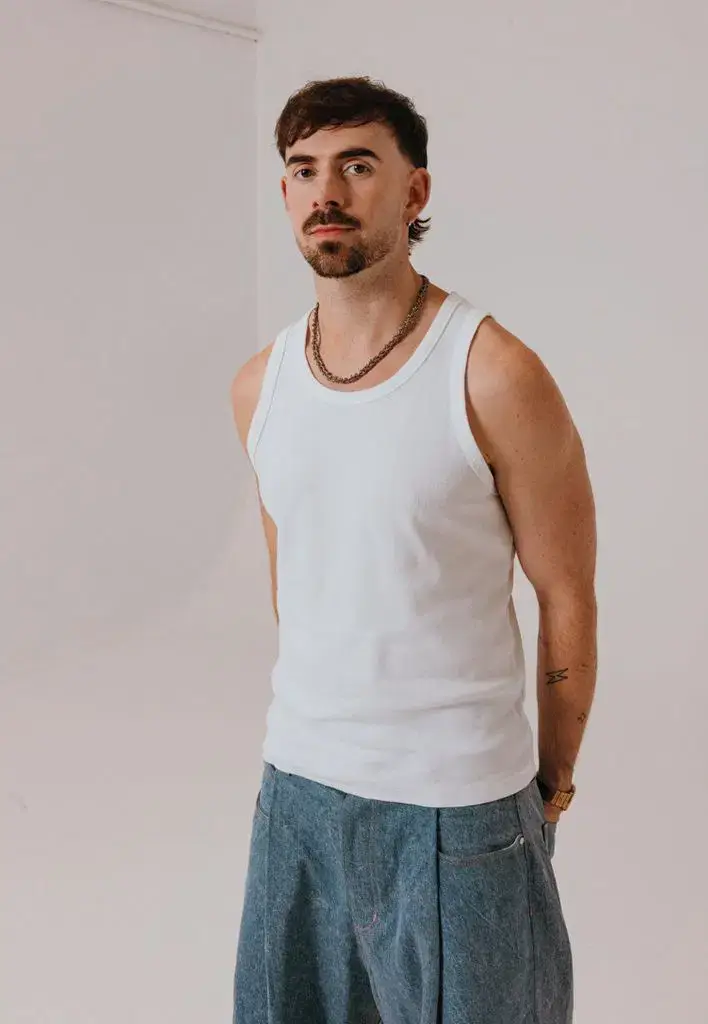
After exploring faster styles, Patrick Topping is back to house and tech house. His collaboration with Wade reflects a renewed focus on club energy.
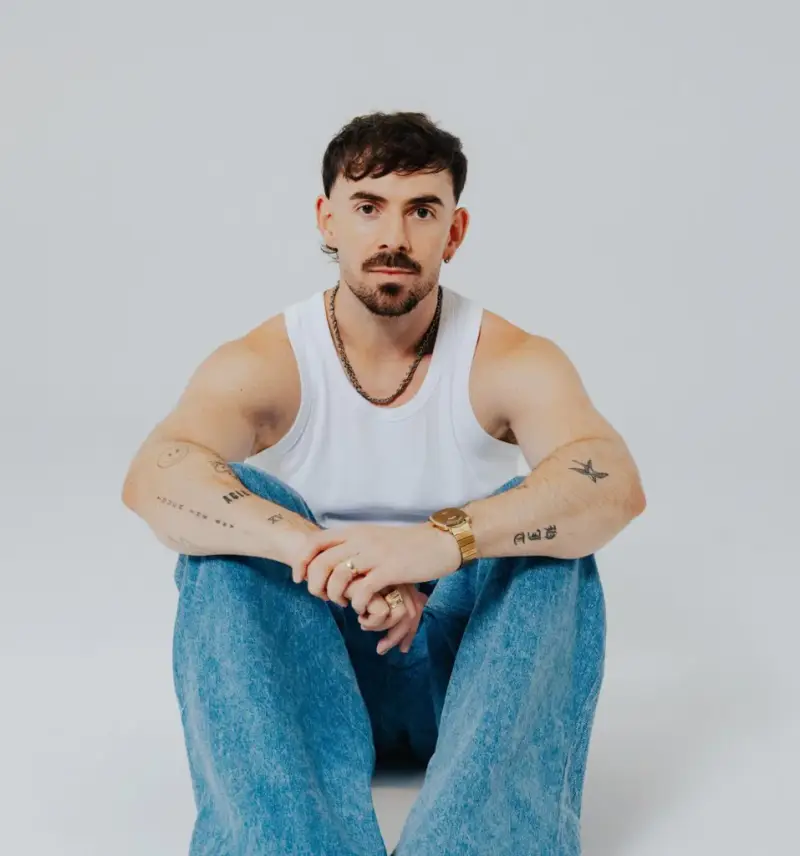
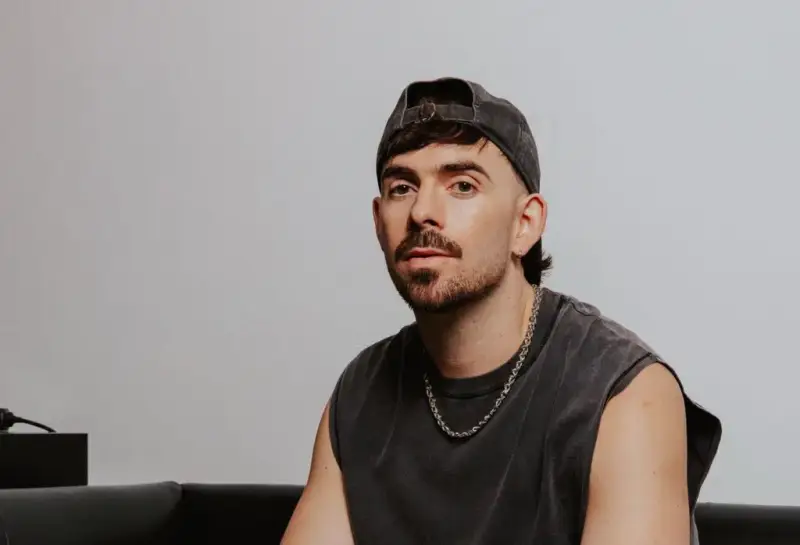
Patrick Topping’s return to house and tech house follows several years of testing how faster styles could fit into his sets. From 2022 to 2024, he added harder techno, trance and Makina to the mix; now he’s concentrating on the sounds that first established his career. His new collaboration with Spanish producer Wade, “Rule Number 1,” offers a current example of that direction.
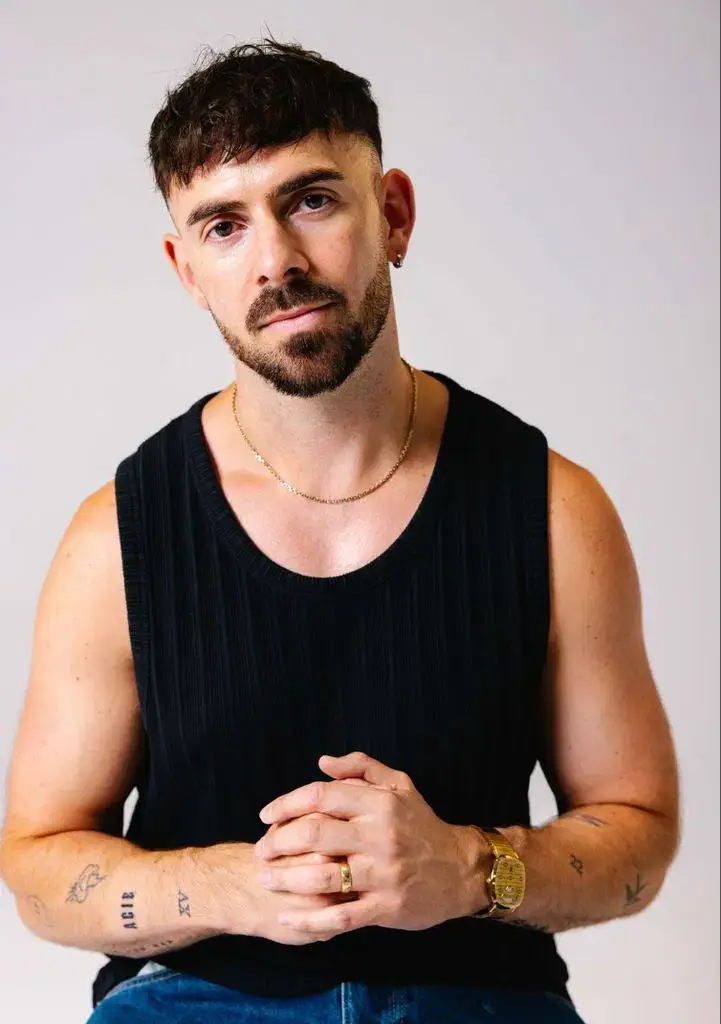
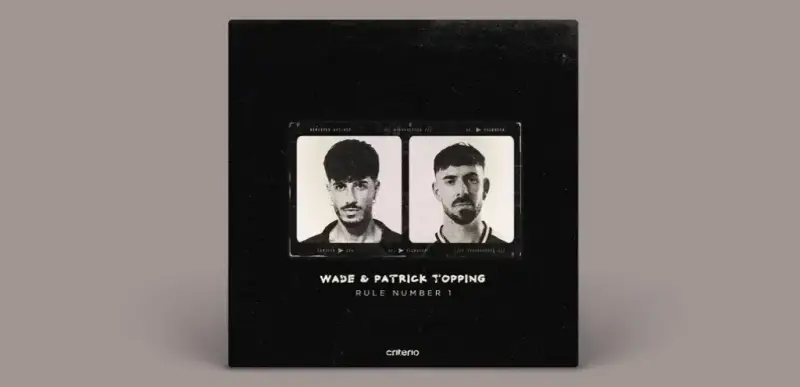
Released November 20, 2026, on Wade’s Criterio Music label, the single follows a year of shared performances that included Tomorrowland and Horse Park Festival. Its production pairs acid-influenced synthesizers with programmed percussion, a prominent bassline and a spoken vocal urging listeners to keep dancing. Those details come from the release announcement; the arrangement points toward direct, club-focused tech house.
For Topping, the shift is less a rejection of his faster years than a return with a different perspective. He says he enjoyed that period, even though some of the harder tracks now feel alien to him. The thread connecting his different phases is more personal than a fixed tempo or genre: he looks for music with energy, meaning the feeling a track creates rather than its beats per minute.
The records that still pull him back
Topping’s strongest memories cluster around 2009 to 2012, the years when he began DJing and promoting events and found his footing in underground house. He remembers the period as a high point for deep house and tech house, with early Hot Creations releases and the music Solomun was playing and producing leaving a lasting impression.
He singles out Miguel Campbell’s “Something Special,” Solomun’s remixes of “A Love Bizarre” and “Around,” and the Love Recycled EP. That deep house sound felt fresh to him at the time. He hasn’t found much since that connects in the same way, though he still brings an occasional track from the period into a set. He often pitches those records up to 128–132 BPM, where they fit his current playing.
The appeal lies partly in the music and partly in the experiences attached to it. Topping recalls clubbing in Ibiza and across the UK, as well as trips to ADE and Miami MMW, to hear Jamie Jones, Sven Väth, Luciano, Loco Dice, Villalobos and Steve Lawler. He remembers those years as his most enjoyable time in clubs.
A first encounter with Sven Väth at Cocoon In The Park in Leeds in 2009 helped set his direction. At the time, Topping says, Väth’s sets were less focused on techno and included plenty of tech house. Topping was also running the Motion Party in Newcastle with friends, just before his own career took off. Those nights and records remain a kind of reference library: particular tracks resurface in his sets when they suit the room.
A broad taste, with a clear DJ instinct
Topping’s listening has never been confined to club music. As a child he liked pop, dance, rock and rap, and he still returns to those styles. The first cassette he remembers buying was 2 Unlimited’s “No Limit” in 1993, when he was four. Rap remains a favourite away from work, alongside downtempo music; since COVID, he’s also leaned toward relaxed alt-pop and instrumental electronic music.
His path into underground house developed later. He describes his early tastes as eclectic but initially centered on commercially successful records. As he matured, he dug further into club music, eventually making underground house and tech house the mainstays of his DJ career, with some techno alongside them.
Before he began producing, Topping took a four-week online Minimal Techno course with Point Blank in 2008. Sven Väth was his favourite DJ then and remains one of his favourites today, alongside Jamie Jones. Their continued place in his listening says something about how early influences can endure even as an artist’s sets change.
His interest in higher tempos also has roots in his school years in northeast England. Makina, which he describes as a major regional subculture, combines “Spanish techno” at 150–186 BPM with MCs. Happy hardcore was another formative influence. Years later, bringing harder and faster music into his sets gave those early tastes a new place in his professional life.
Experimenting, then choosing a direction
From 2022 through 2024, Topping pushed his eclecticism toward trance, hard house, hard techno and Makina. He credits the example of DJs such as the late Jackmaster, Skream, Eats Everything and Denis Sulta, whose sets moved between styles. He took that openness in his own direction, making the selection harder and faster.
He has since dropped those faster elements and returned to the styles associated with his reputation. The change doesn’t erase the earlier phase: Topping says the music felt honest to him at the time, and he loved playing it. But revisiting some of those records now, he finds them distant from where he wants to be musically.
That kind of cycle can give a DJ more than a temporary change of pace. A period of experimentation can clarify which instincts have lasted and which sounds feel most natural in the booth. Topping’s own description is less about correcting course than returning to familiar material with years of new experience behind it.
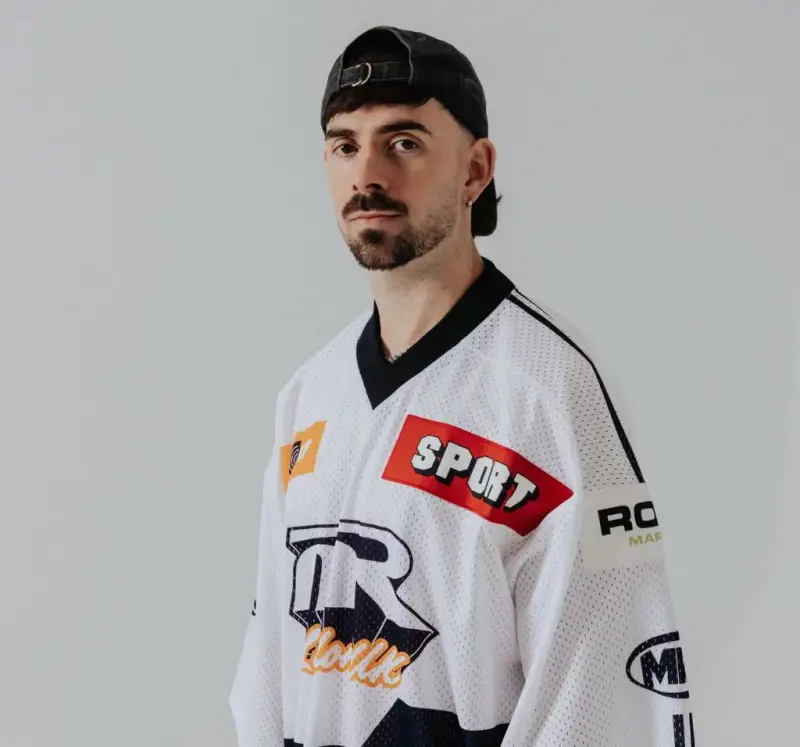
His younger self might be surprised by how underground his current choices are, he says. As a child, he gravitated toward well-known records within pop, dance and other genres. Finding less obvious music came later. Yet the broader habit of moving between styles was there from the start.
Energy matters more than tempo
For Topping, the constant across those changes is excitement. His father’s deep CD collection and involvement in booking acts for a free music festival helped keep music central at home. Before he was a DJ, Topping burned CDs of favourite tracks to play at friends’ houses before nights out. Sharing music and choosing records for a social setting were already part of the job in miniature.
When he talks about his DJ instincts, he returns to energy. He doesn’t mean speed: a track’s tempo alone doesn’t determine the feeling it brings to a set. That distinction helps explain how older deep house can still work when pitched up, and why a faster passage doesn’t necessarily need to define a whole performance.
The practical lesson for DJs is to listen for what a track does in context. BPM can help with transitions, but it doesn’t describe a record’s emotional charge or how it might steer a room. Topping’s approach gives older favourites room to return without requiring him to recreate the sets he played more than a decade ago.
“Rule Number 1” and Topping’s current sound
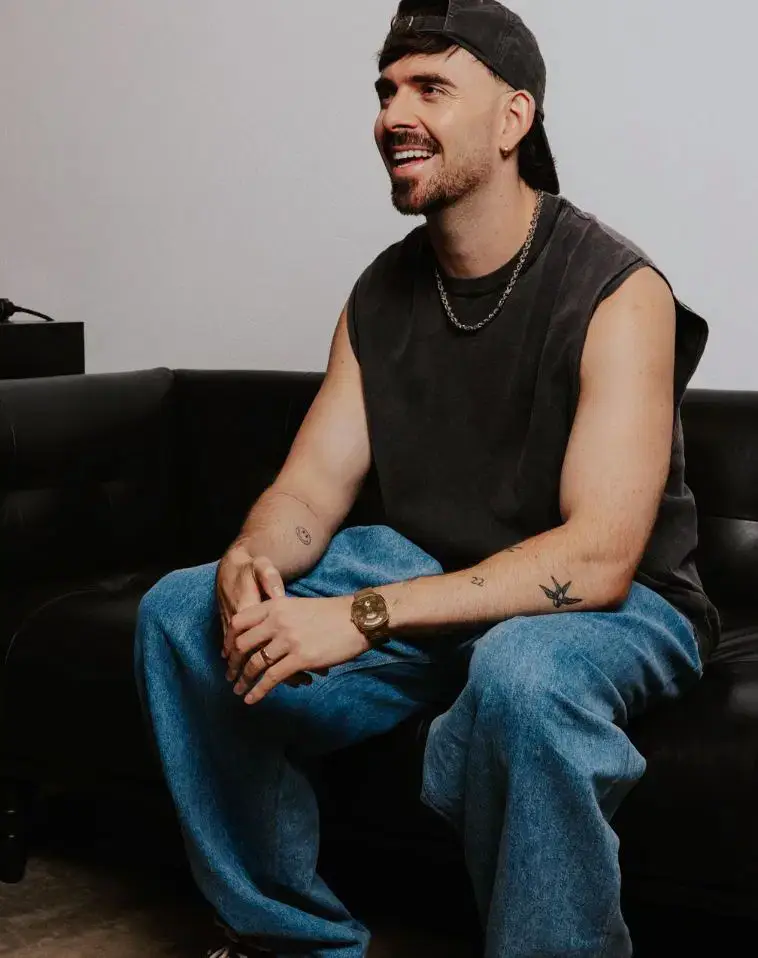
“Rule Number 1” brings Topping and Wade’s approaches to tech house together after a run of joint summer performances. The single’s acid-leaning synths, programmed percussion, bassline and spoken vocal keep the focus on a clear club arrangement. It also sits alongside Topping’s recent releases on other labels as he works through this renewed focus on house and tech house.
Earlier in 2026, he released “Pop That” and “Boom Shakalak” on Cloonee’s Hellbent Records. Those tracks followed “All The DJs,” released on Solid Grooves in 2025. The releases share an interest in direct club structures built around bass, percussion and memorable vocal parts. Topping also continues to release music through his own Trick imprint.
For Wade, the collaboration adds to Criterio Music, the independent label he founded for his own productions and music from other house artists. His 2026 performance schedule included Tomorrowland, Awakenings, Kappa FuturFestival and Music On Festival, alongside his appearances with Topping.
Listen to Patrick Topping and Wade’s “Rule Number 1” on Apple Music
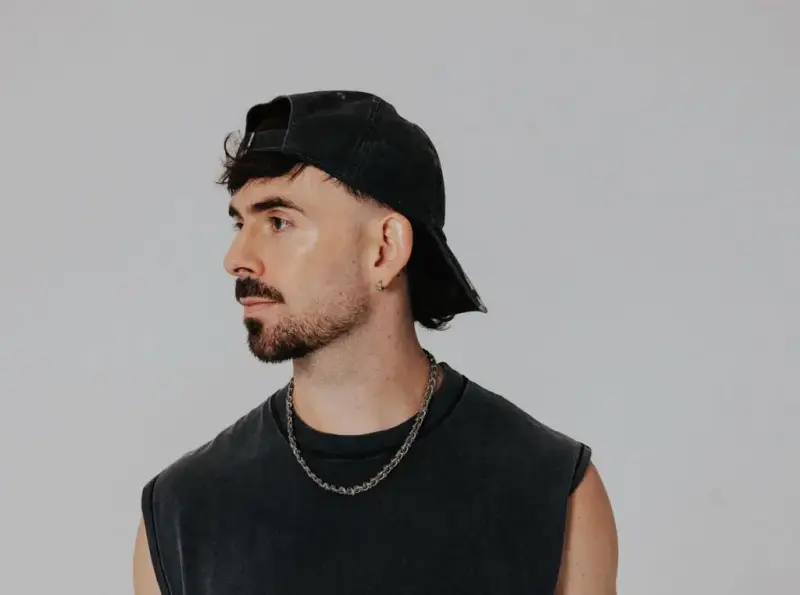
Topping’s return to house and tech house makes sense as a choice shaped by experience, rather than a narrow statement about genre. The Makina and harder techno years drew on tastes he’d carried since school; the records from 2009 to 2012 still matter because of the music and the memories bound up with it. With “Rule Number 1,” he’s back in familiar territory, guided by the same measure he’s used throughout: whether a track brings the right energy to the room.