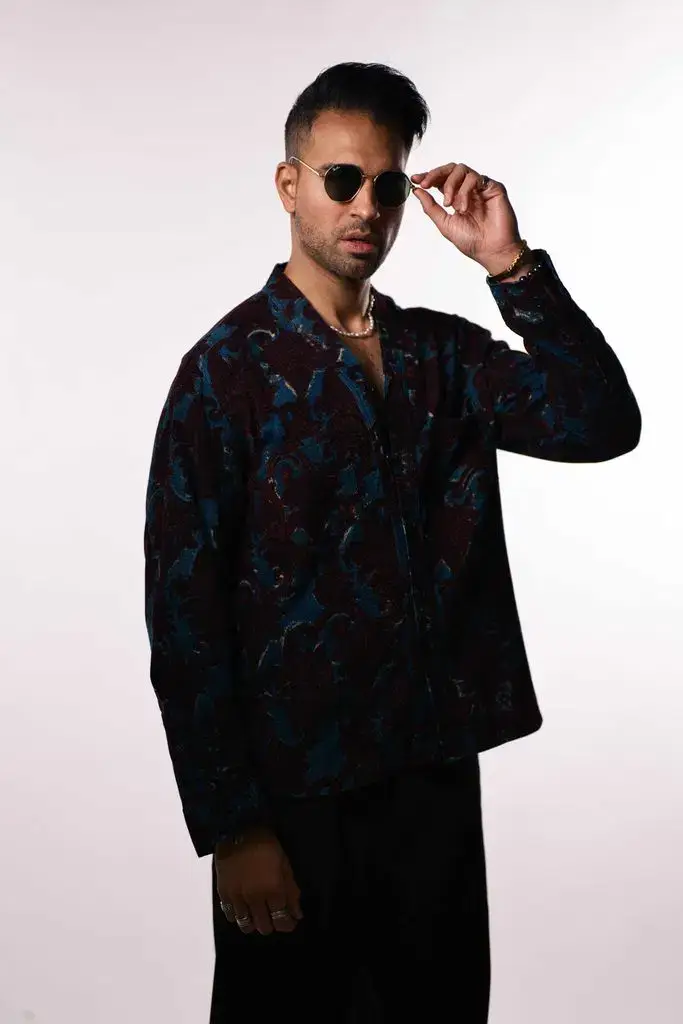
VIZANO on “Hurso,” Sample Choices and Building for the Dancefloor
VIZANO explains how a guitar sample became a background pad, why he now starts with the hook, and how club systems shape “Hurso.”
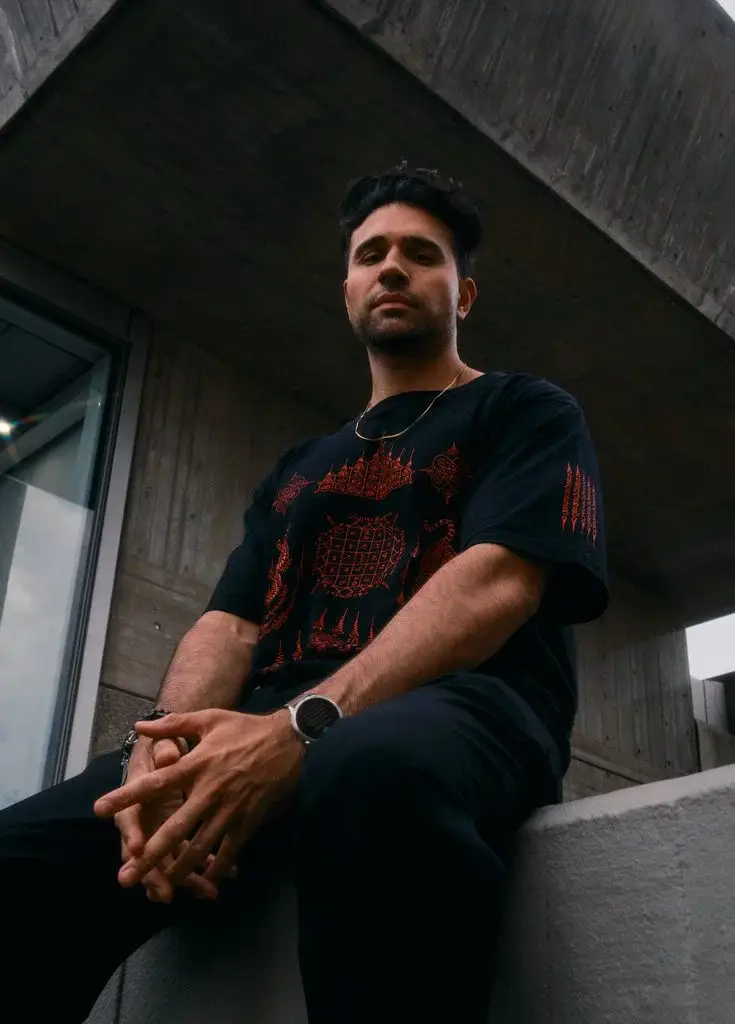
“Hurso” began with a guitar sample that barely registers in the finished mix. For London-based DJ and producer VIZANO, that change captures a wider shift in how he works: an early musical idea can set a track’s direction, then make room for the hook and arrangement to do their jobs.
Released November 20, 2026, on Aaron Sevilla’s Sunset Gathering imprint, “Hurso” is VIZANO’s second release with the label. It pairs a Portuguese vocal with percussion and melodic samples, continuing his interest in musical influences from South Asia, Latin America and the Mediterranean. The production also carries forward a shehnai hook, a recurring thread in “Rangeen Saza” and “Jeno.”
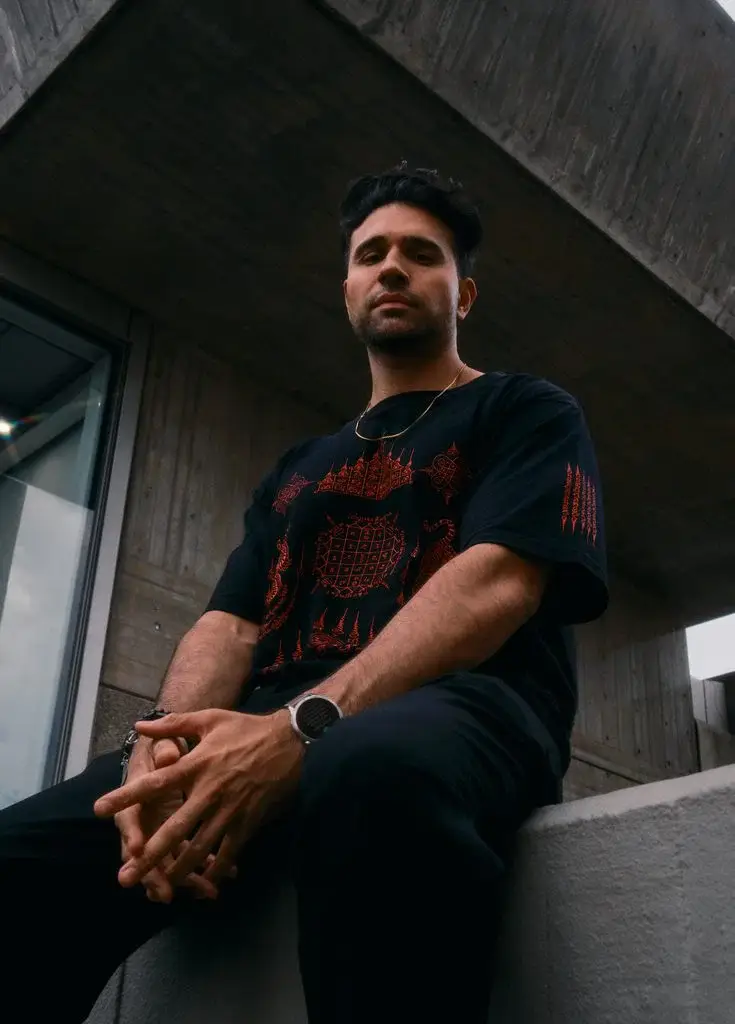
Letting the first idea change roles
VIZANO says the guitar sample first established the track’s tone. As the other parts came together, though, he processed the guitar into an atmospheric pad and pushed it farther back in the mix. It remains in “Hurso,” but it no longer carries the prominent role it had at the start.
That’s a useful distinction for producers: an idea can be central to the process without needing to stay at the front of the arrangement. Here, the sample helped define the starting point, while later choices gave the finished record a different balance. VIZANO describes the guitar as barely audible in the final track, but still present as a layer beneath the more exposed elements.
The vocal came from Tracklib. VIZANO was looking for something poetic and almost whispered, and says the Portuguese recording caught his ear. He also liked the artist’s work. Tracklib provided a way to clear the sample for release; he doesn’t specify the recording’s source or the individual licensing steps involved.

Combining vocal and instrumental references from different cultures is a defining part of VIZANO’s approach, but he acknowledges that it takes care to make those elements feel cohesive. He also says he wants to treat their origins with respect. That consideration matters in a track built from distinct musical textures: the arrangement has to give each element a place without reducing it to decoration.
Starting with the hook
Across “Rangeen Saza,” “Jeno” and “Hurso,” VIZANO identifies a shared ingredient: a strong sampled hook drawn from an Indian instrument, in these cases the shehnai. Its distinctive texture gives the productions a clear melodic identity. He has changed when he looks for that identity.
In his earlier workflow, he often built the drums and supporting instrumentation first, then searched for a hook. Now he tends to choose the hook at the start and develop the surrounding arrangement around it. His reasoning is straightforward: the hook drives the record, so it’s useful to know what that central idea is before committing to the rest of the production.
That change doesn’t mean every initial sound stays intact. The guitar in “Hurso” is one example of a starting idea being reshaped as the track develops. The shehnai, meanwhile, represents the kind of hook VIZANO wants to identify early. Together, those decisions show two different functions a sample can serve: one can establish the atmosphere, while another becomes the element listeners remember.
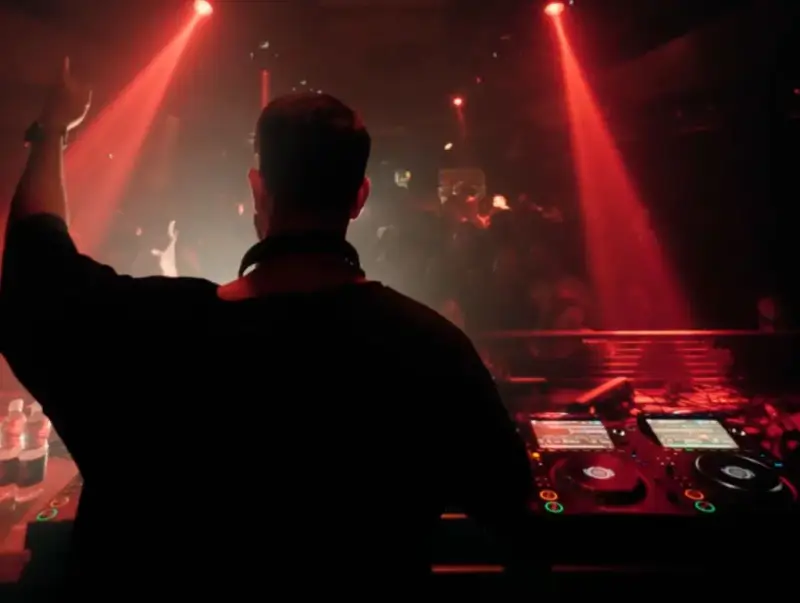
Arranging for large club systems
VIZANO describes “Hurso” as a record that can work from warm-up through peak time, with its energy building as the arrangement unfolds. His experience playing on large club systems informs that pacing. On a big system, he says, the kick and bass feel much larger than they do at home. That changes how quickly he wants to introduce the track’s key parts.
Rather than putting every major element in front of the listener immediately, he reveals them gradually. The vocal arrives while the energy is still in the middle of its rise; the hook comes later, after the arrangement has made room for it. VIZANO calls many of his records “momentum” or “builder” tracks, designed to lift energy from mid-set toward a peak. “Hurso” follows that approach.
For DJs, that kind of progression can make a record useful across a set’s development. For the producer, it means thinking about how the kick, bass, vocal and hook will register at club volume, and when each should appear. VIZANO’s account points to arrangement as a practical response to playing out: the sequence of elements matters as much as their selection.
A developing connection with Sunset Gathering
Aaron Sevilla first found VIZANO through his Afro House and Latin House edits and became one of his early supporters. VIZANO continued sending music to Sevilla, and the label later signed two of his original records. “Hurso” marks his second release on Sunset Gathering, catalog number SG315. The relationship also brought him to Sevilla’s Afrodise residency in Ibiza in 2026.
VIZANO says the experience has reinforced the value of keeping new music moving through shows, content and social media. He credits Sevilla’s team with releasing music systematically while staying connected with its audience. The work around a record, in his view, continues beyond finishing the production.
His recent releases include “Rangeen Saza,” made with Works of Intent and Shreya Manoj and released on Indo Warehouse in August 2026, and “Jeno,” made with Hadi Azrak and released on Sunset Gathering in September. “Hurso” carries forward the sampled hooks and cross cultural palette heard across those records, while showing a more deliberate approach to choosing the hook and shaping its arrival.
Listen to VIZANO’s “Hurso” on Beatport