DJ.Studio 5.0 Rebuilds Its Audio Engine and Adds Phrase Detection
DJ.Studio 5.0 brings a native C++ engine, phrase analysis and expanded DJ software exports, with DJs still in control of the final mix.

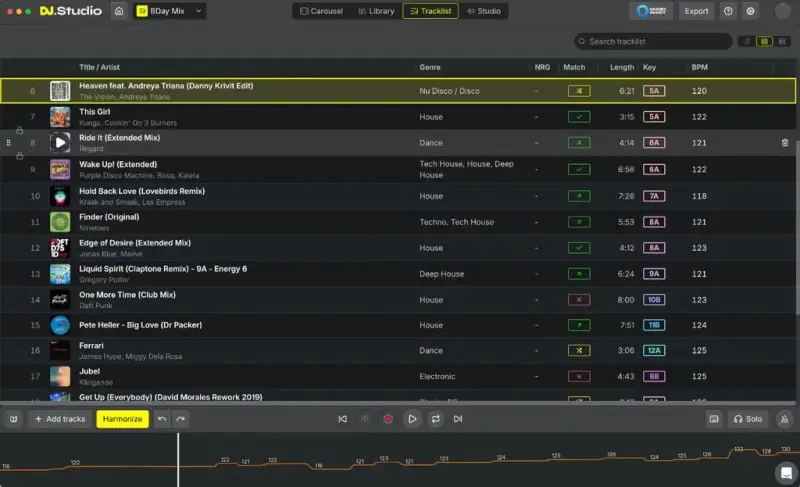
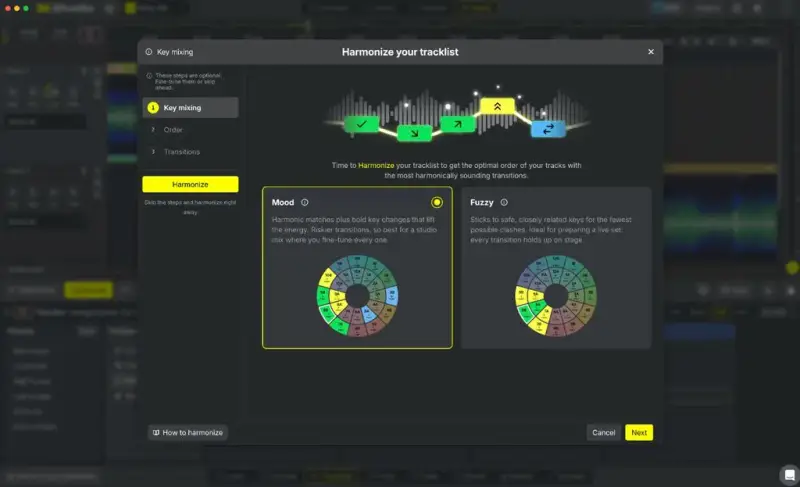
DJ.Studio 5.0 adds musical structure to the information DJs can use when planning a mix. Its phrase detection marks sections such as intros, verses, choruses and outros, while a rewritten application core and native C++ audio engine target faster work in the studio and during export. The new version also sends prepared sets to Traktor and Engine DJ with cue points and beatgrids intact.
That combination matters because tempo and key alone can’t tell a DJ whether two arrangements will sit well together. A breakdown may collide with a vocal, or a melodic passage may make a transition feel crowded. Phrase markers offer another way to assess where a mix might work, while leaving the musical decision to the person preparing it.
A new foundation for audio work
The development team says version 4’s audio engine limited performance in both studio playback and export. Moving the engine to C++ took substantial development time, but the goal was to improve both parts of the workflow. The team hasn’t supplied performance figures, so the practical gain will depend on how the new engine behaves in individual projects.
For DJs building radio programs, promotional mixes, mashups or performance sets, faster exports can help with repeated preparation tasks. The developers say they aim to include something for each workflow in every release, pointing to faster exporting, Smart Beatgrid and easier effect editing as changes with broad use.
Version 5.0 also focuses on getting a prepared set back into performance software. DJ.Studio can export beatgrids and track edits to six major DJ platforms, and the new Traktor and Engine DJ exports preserve cue points and beatgrids. That gives users a path from arranging a set in DJ.Studio to refining or playing it in their preferred DJ application.

How phrase detection reads a track
The phrase detection system examines energy across the frequency range and tracks how the sound changes over short and longer spans. It looks for repeated passages that may indicate a chorus, as well as shifts that suggest a buildup or transition. Those observations are combined with learned patterns of song structure to set boundaries and label sections as intros, verses, choruses, bridges, instrumentals or outros.
The team describes the boundaries as reliable, while acknowledging that section names can be wrong. That distinction is useful in practice: a boundary can point to a likely change in the arrangement even when the label doesn’t capture the section’s musical role. DJs should treat the markers as guidance for auditioning transitions, not as a complete reading of a track.
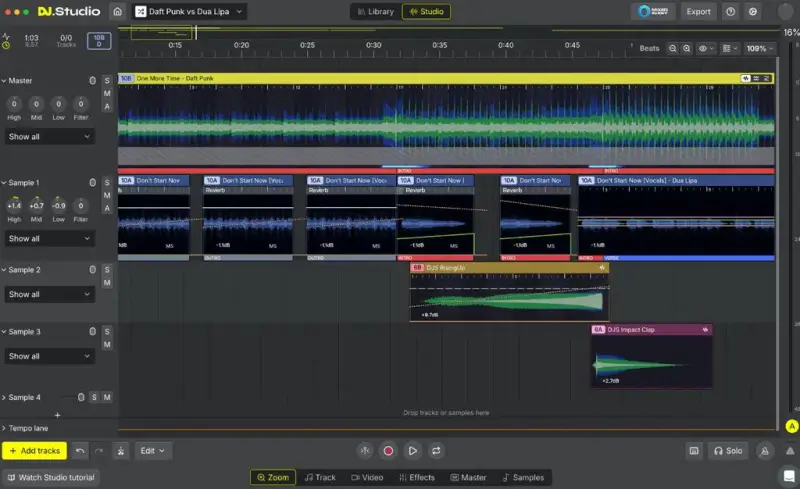
Clear, conventional song structures are the easiest for the system to analyze. Long electronic tracks that build gradually, ambient and experimental music, and highly repetitive arrangements can be harder because their sections may blend together or resist familiar verse-and-chorus patterns. The developers say they also tested with jazz, and that clarity of structure matters more than genre. Every phrase can be edited, keeping the final arrangement in the DJ’s hands.
Beatgrid feedback and future analysis
Prerelease users sent the team tracks where Smart Beatgrid drifted. The developers used those examples to improve the feature. That feedback points to a familiar preparation issue: timing analysis needs to cope with recordings whose tempo is less consistent, and corrections from real tracks can help expose where the automatic grid needs work.
The team is considering key analysis for individual phrases. A track’s overall key may not describe the section a DJ is mixing into, so phrase-level information could give a more relevant reference when planning a transition. Lyrics detection is also under consideration, with the aim of flagging explicit words and helping users prepare a clean version of a song. In both cases, the team says DJ.Studio would make suggestions and leave the choice to the DJ.
Preparation without a fixed running order
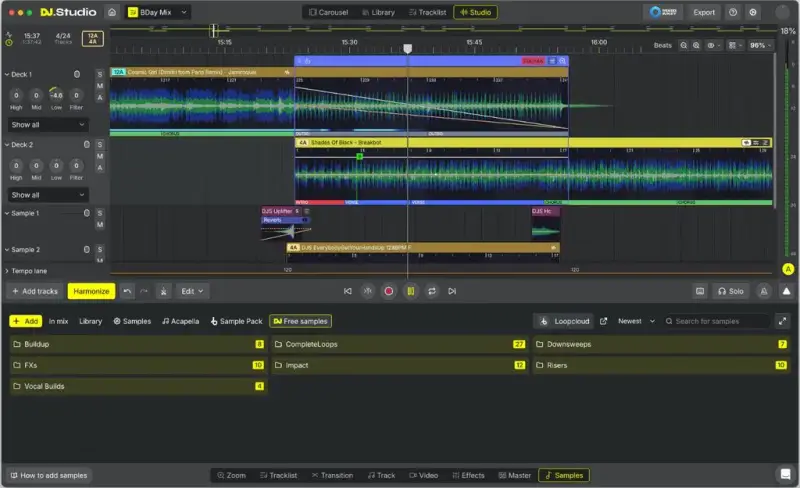
Set preparation software is most useful when it helps DJs explore options without locking them into a sequence. Reviewing transitions in advance can build familiarity with a large music collection, while leaving room to change direction during a performance. Exporting cue points and beatgrids extends that preparation into the DJ application a performer already uses.
DJ.Studio 5.0’s central shift is the addition of structural analysis alongside tempo and harmonic information. Phrase markers can help identify promising transition points and spot arrangement conflicts earlier, but unusual structures still call for listening and judgment. The most practical approach is to use the software’s analysis to narrow the options, then audition and edit the set by ear.