Instagram Content Protection Adds Repost Controls and Tests Spoken-Word Matching
Instagram creators can track, hide, credit or release video matches. Meta is also testing spoken-word matching for copies with AI-generated visuals.
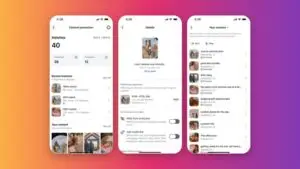
Instagram’s new content protection gives enrolled creators several ways to respond when their videos appear in other accounts’ posts. They can track a match, hide it, add a link back to their work or release it. Meta is also testing spoken-word matching, which could catch copies that retain a creator’s narration while replacing the video with AI-generated visuals.
The feature extends to Instagram a system Meta previously offered on Facebook. The company introduced content protection on Facebook on November 17, 2025, then announced its Instagram version one year later. For video makers, the practical value depends on who qualifies and how accurately the matching system handles reused material.
Access and enrollment
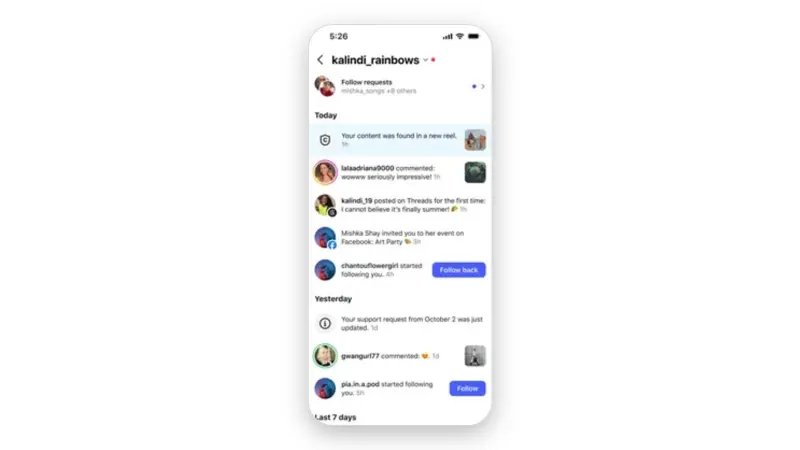
Instagram says access depends on eligibility criteria “largely based on meeting our originality and integrity standards.” Creators who qualify receive a notification in their activity feed. They can also check the Home tab of the professional dashboard: open Tools, then look under Your professional tools for content protection. Creators who believe they should qualify can apply for access.
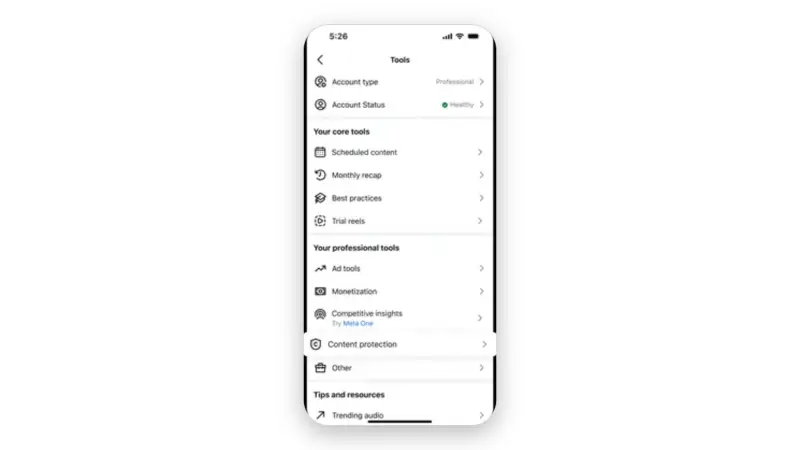
Meta hasn’t published a detailed eligibility checklist, so it’s difficult to tell how broad access will be at launch. On Facebook, automatic access went to some creators in the Content Monetization program who met additional originality and integrity standards, as well as creators already using Rights Manager. Instagram hasn’t confirmed whether it will use the same approach.
What the system scans
After enrollment, new original videos posted to Instagram are protected automatically. Older eligible videos require manual selection. The system then scans Instagram and Facebook for matches, using the same matching technology as Meta’s Rights Manager.
Meta’s Facebook version can identify full or partial matches. Its details screen can show which sections of a creator’s video correspond to the found post. When Instagram detects a match, it sends a notification. Creators can review the post’s view count and the account’s follower count before choosing how to handle it.
Four ways to handle a match
Creators have four options for each result:
- Track: Keep the match visible in the tool and follow its performance. This is the default setting, and creators can change it later.
- Hide from everyone: Make the match unavailable on Instagram and Facebook. Instagram says this reduces the post’s reach without directly penalizing the account that shared it.
- Add credit link: For matches on Instagram, add an “original by” label that links viewers to the creator’s video or profile.
- Release the match: Leave the video up, remove it from the match list and give up the claim.
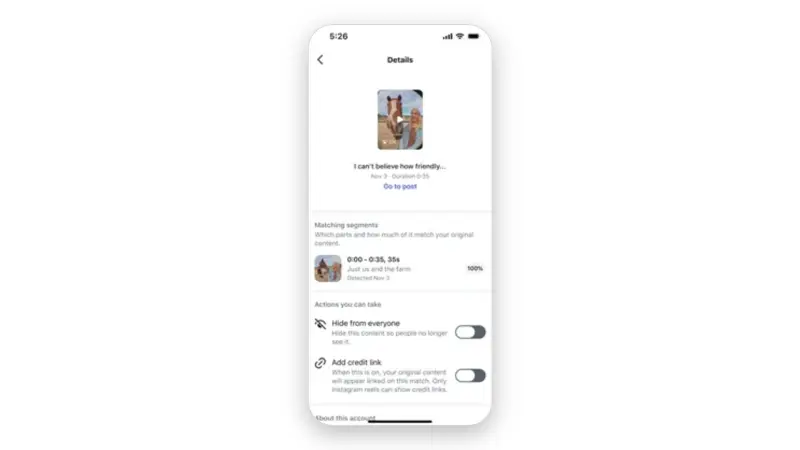
The credit link may be especially useful when a repost is spreading widely. Hiding a match removes its visibility, while a link can send some of that attention back to the video’s maker. Meta hasn’t described a way for creators to claim revenue from a match, so the available tools focus on visibility and attribution rather than payment.
Approved profiles and ownership disputes
Creators can add approved accounts to an allow list. This helps keep expected collaborations, posts from a second account they manage and authorized brand content from appearing as matches. Meta’s screenshots show filters for Instagram, Threads and Facebook profiles.
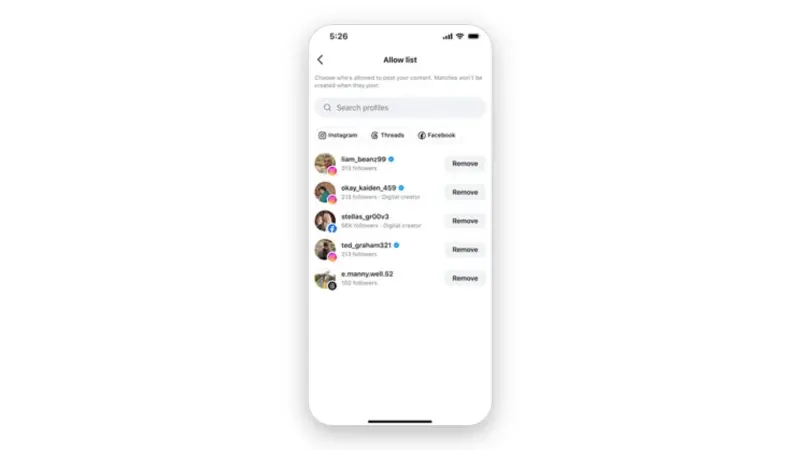
The tool also provides a route to challenge a claim if another account protects a creator’s video first. Creators can submit an ownership dispute within content protection or file a copyright report through Instagram’s Intellectual Property Reporting Center. On Facebook, Meta says repeated attempts to claim material a creator doesn’t own can lead to restrictions or loss of access. Reaction videos and compilations are typically ineligible for protection there.
Matching narration when visuals change
Visual matching has a blind spot: when an account keeps a video’s narration but replaces every image, the original frames are gone. Meta says it is starting a small test that can surface videos whose spoken words match an enrolled creator’s original, including cases where AI has replaced the visuals.
The test begins with a small group of creators in the coming weeks. Meta plans to extend it to people enrolled in content protection on Instagram and Facebook “as soon as we can.” Screenshots show labels including “Uses your video,” “Uses your transcript” and “AI content,” helping creators distinguish a visual match from one based on narration.
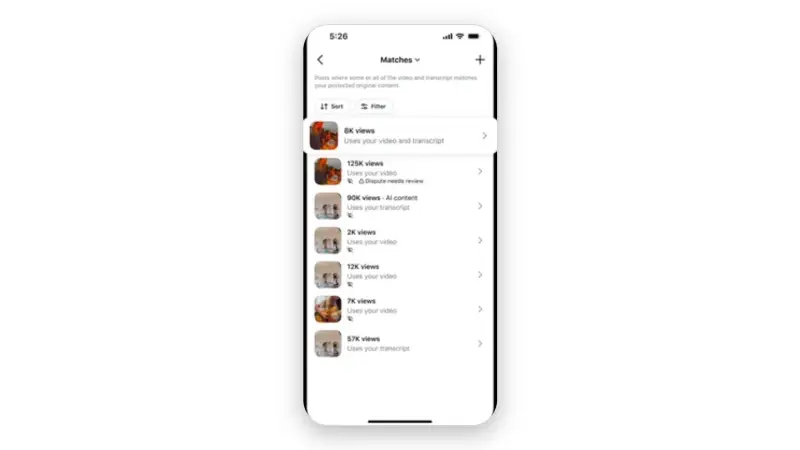
Meta is also exploring ways to limit the reach of accounts that repeatedly use AI tools to make this kind of content. It says the approach would be similar to its existing treatment of unoriginal content that adds no distinct perspective or meaningful edits. How the system will treat quotations, commentary and reaction formats remains unclear. Spoken-word matches will need careful handling when creators discuss the same material in their own words.
What creators should watch
Content protection is rolling out to eligible Instagram creators, with additional details in the Instagram Help Center. The immediate workflow is clear: review each match, then decide whether tracking, hiding, crediting or releasing it best serves the work. Automatic protection starts with videos posted after enrollment, so creators who want older eligible videos included will need to select them themselves.
The bigger test is access. The eligibility rules aren’t public in detail, and spoken-word matching remains limited while Meta evaluates the feature. For creators whose videos are frequently reposted, a credit link could turn some of that circulation into discovery. Whether this helps smaller accounts will depend on how widely Instagram opens enrollment and how well its matching handles reused narration.


