Martin Recasts the 16 Series With Slope-Shoulder Shapes and Translucent Colour
Martin’s US-made 16 Series pairs less familiar body shapes with translucent colour, shorter scale options and a more accessible price within its range.
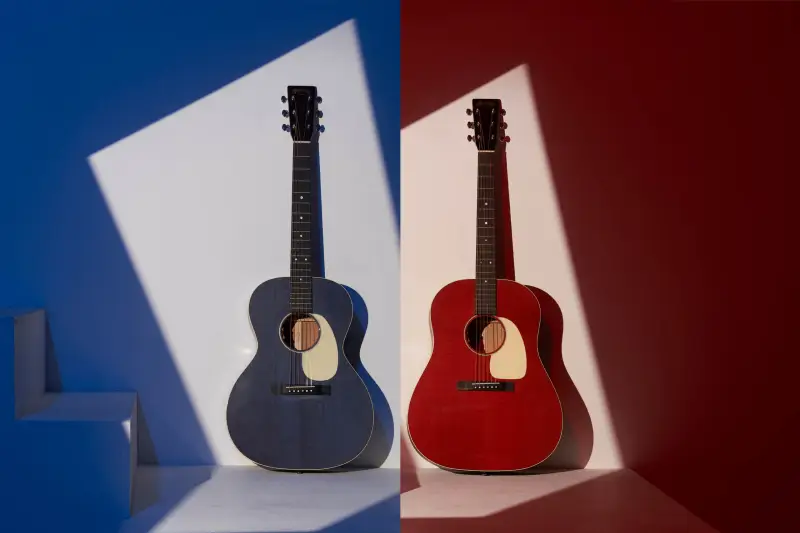
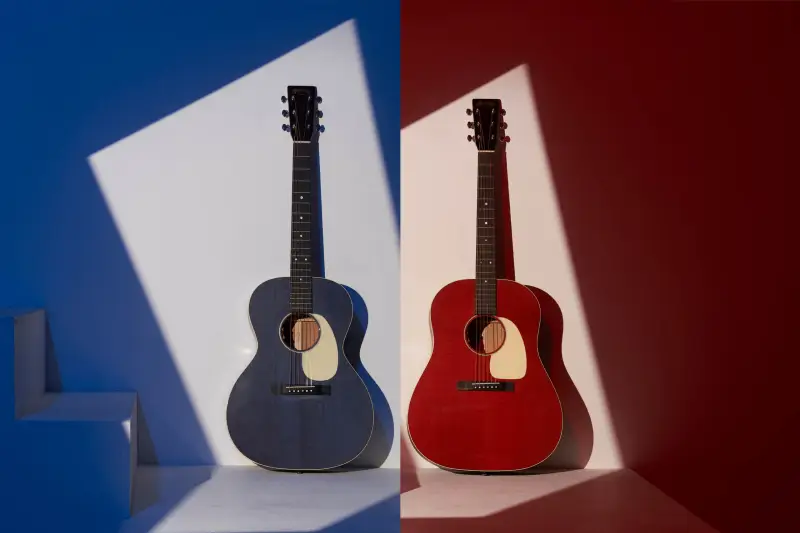
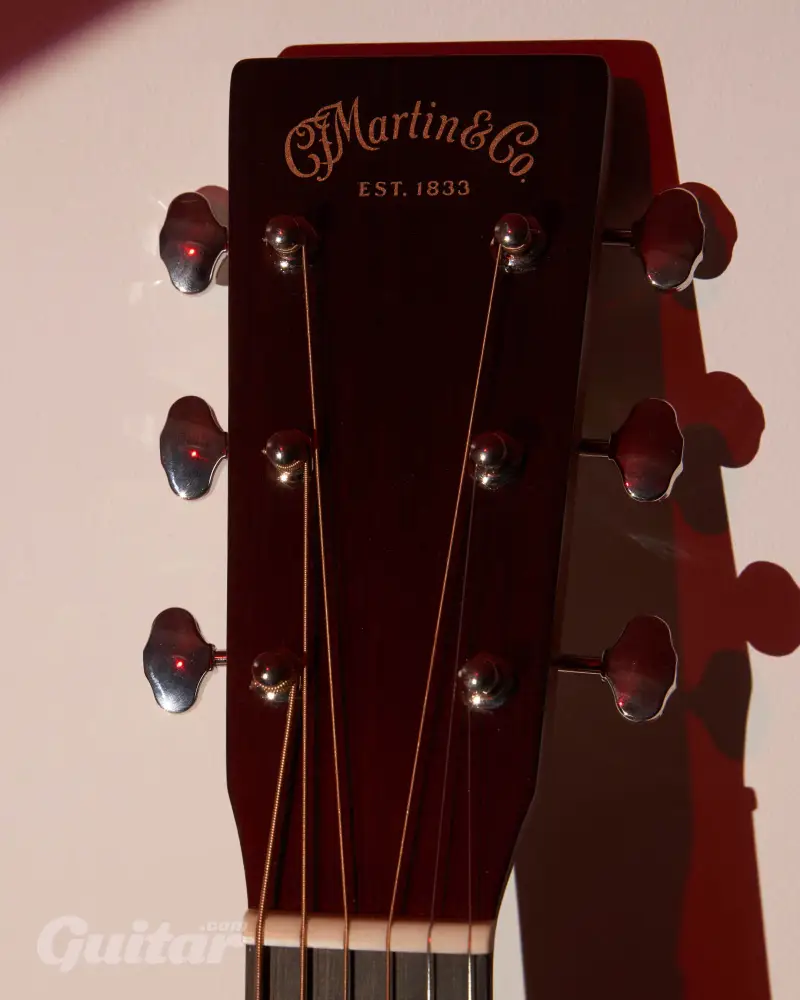
Martin has given the 16 Series a clear role: a US-made range where the company can explore body shapes and finishes beyond the familiar Dreadnought and 000 templates. The new lineup includes slope-shouldered DSS and 00L models, alongside Jumbo and GPC shapes, with most offered in colours such as Cherry Cola, Blue Denim and Black Smoke. The guitars are available now.
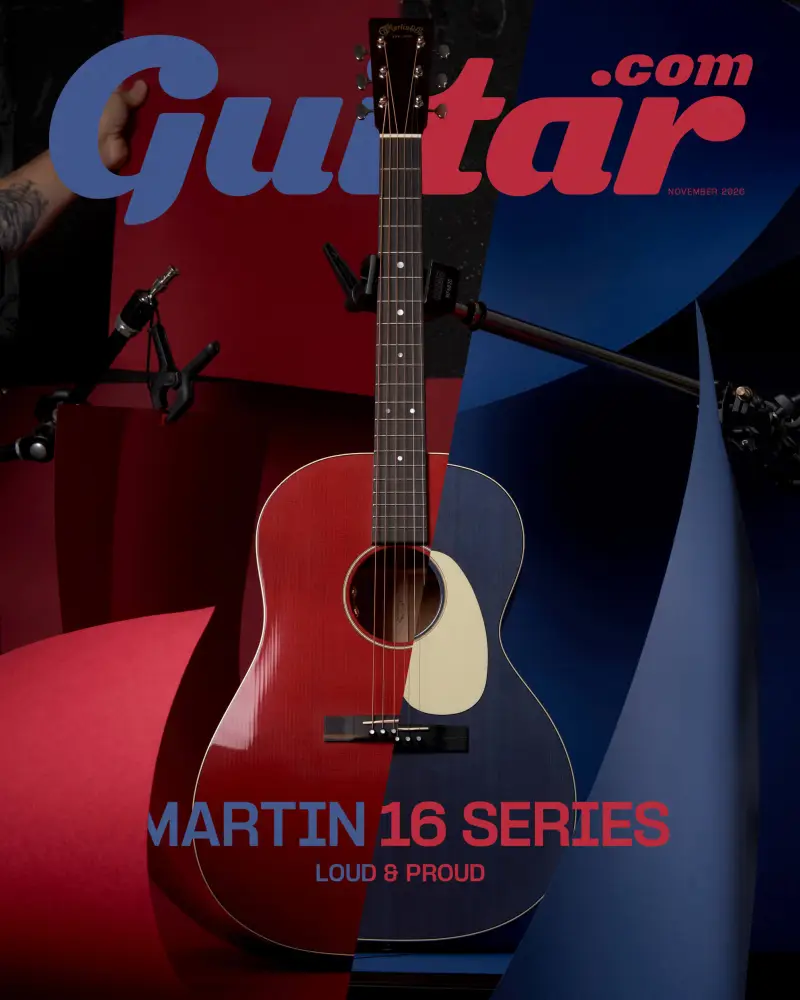
The shift takes advantage of a number that has never carried the fixed expectations attached to Martin’s better-known series. As director of product management Joey Osisek puts it, players associate the 15 with brown finishes, the 18 with spruce and mahogany, and the 28 with spruce and rosewood. Those identities set firm boundaries for what a guitar in each series should be. The 16, by contrast, has changed specifications and construction over the years, leaving the design team more room to define its purpose.
That freedom matters as Martin approaches its 200th birthday. The company’s Dreadnought, first developed in 1916, helped establish a shape that has become a reference point for flat-top acoustics. The refreshed 16 Series steps away from that visual shorthand: there are no square-shouldered Dreadnoughts or 000/OM models in the new group. Its rounder outlines give the range a different look while drawing on forms that already have a place in Martin’s history.
Shapes for different players
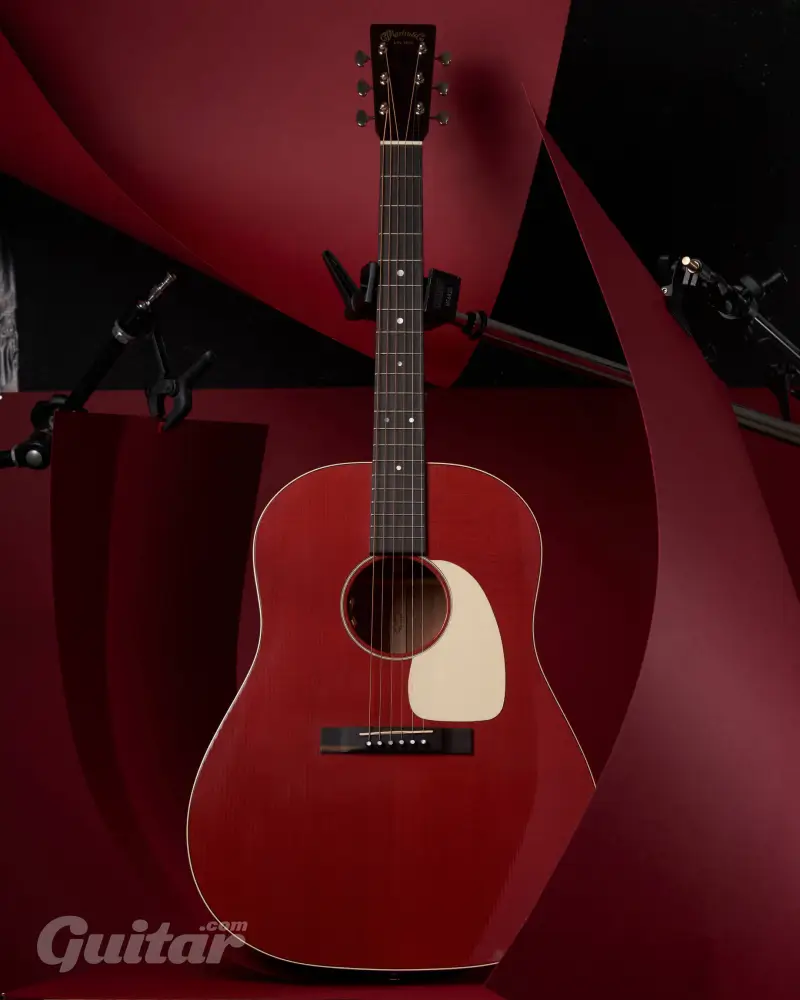
The DSS has slope shoulders, a profile often associated with Gibson, but Martin’s own connection to the design goes back to its early Ditson Dreadnoughts. Those first guitars had slope shoulders and 12-fret necks, Osisek notes. The 16 Series DSS also responds to feedback about the DSS-17: players looking for a slope-shouldered guitar often expected a shorter scale.
The DSS-16 uses a 24.9-inch scale length. Martin sees the format as a fit for singer-songwriters who spend time strumming and playing open-position chords. A shorter scale can be a practical match for that style and feel, while the body shape gives the model a distinct profile from the company’s standard square-shouldered options.
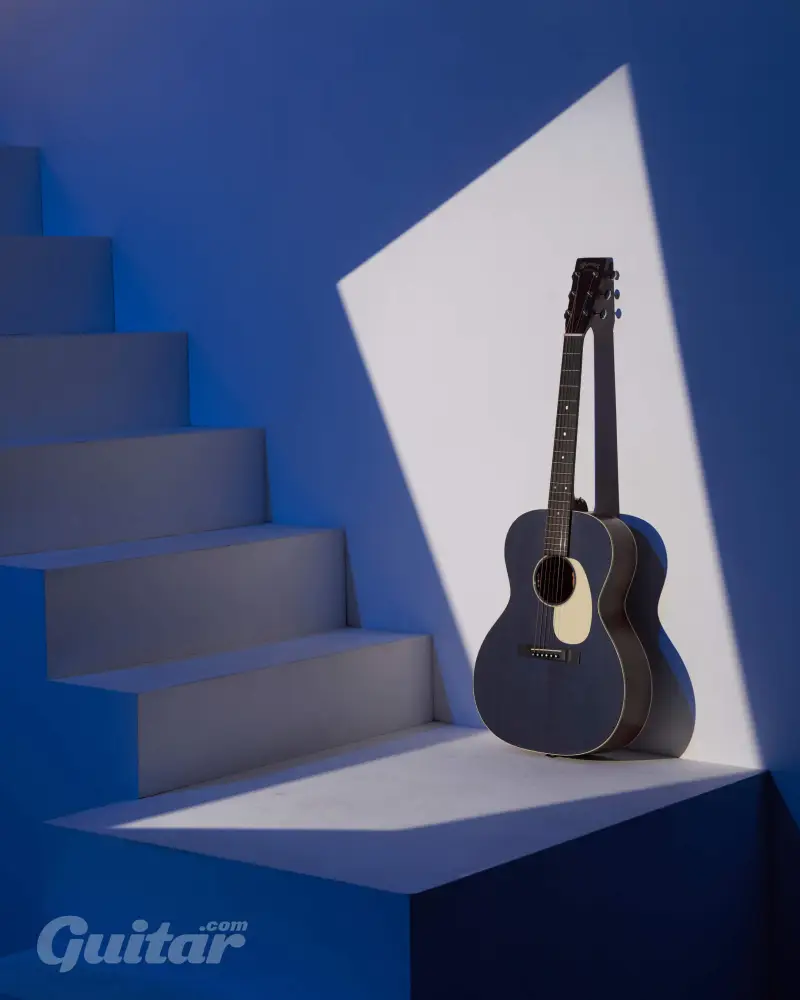
The 00L draws on another established Martin design. It has appeared most often through the Custom Shop, and it underpins the CEO-7, a long-running model associated with former CEO and current board chairman Chris Martin IV. Osisek says the CEO-7 has a specific nut width and an Adirondack spruce top, placing it at a higher price. The 16 Series gives Martin a way to offer the 00L shape in a more obtainable model.
Alongside those two body styles, the lineup includes a Jumbo and Martin’s GPC, a smaller-bodied performance cutaway. Taken together, the shapes offer players a broader spread of acoustic sizes and outlines, with options for different playing contexts. The range isn’t a single alternative body style dressed up in several colours; its varied models give the 16 Series room to serve players who want different proportions and responses.
Price is another part of the brief. These aren’t budget instruments: Osisek describes them as costing nearly two-and-a-half grand. But they are Martin’s most affordable US-made guitars with spruce tops, a position the team sees as a way to bring the company’s domestic production within reach of some players who previously might have looked elsewhere in the range.
Colour that leaves the grain visible
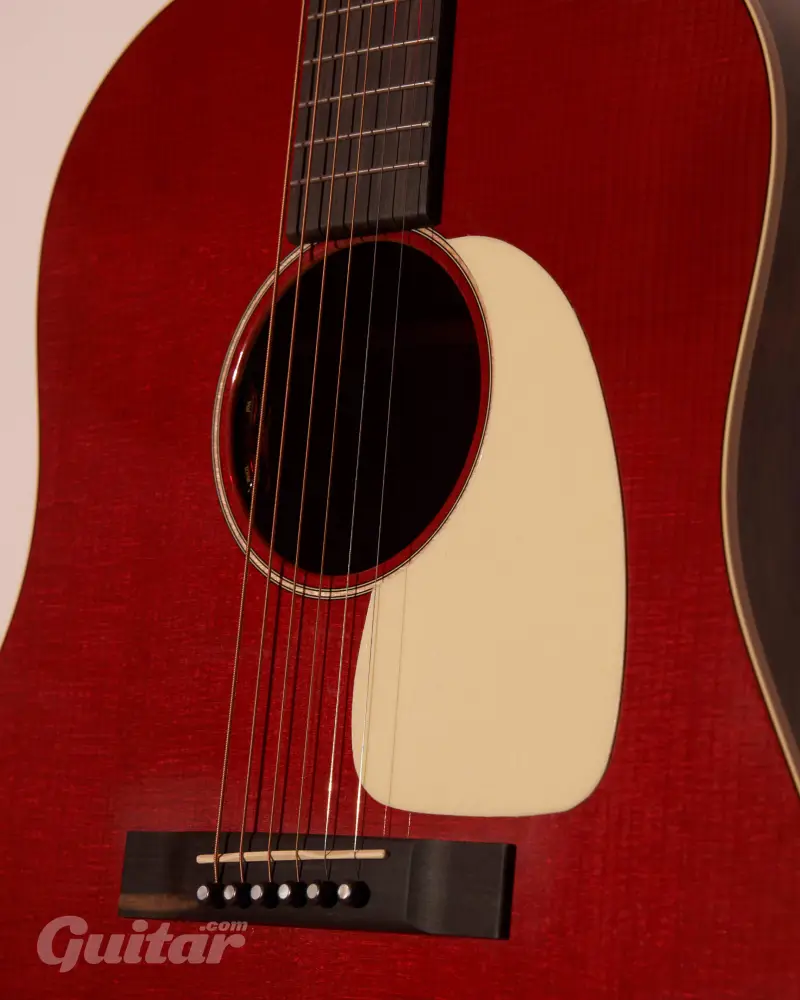
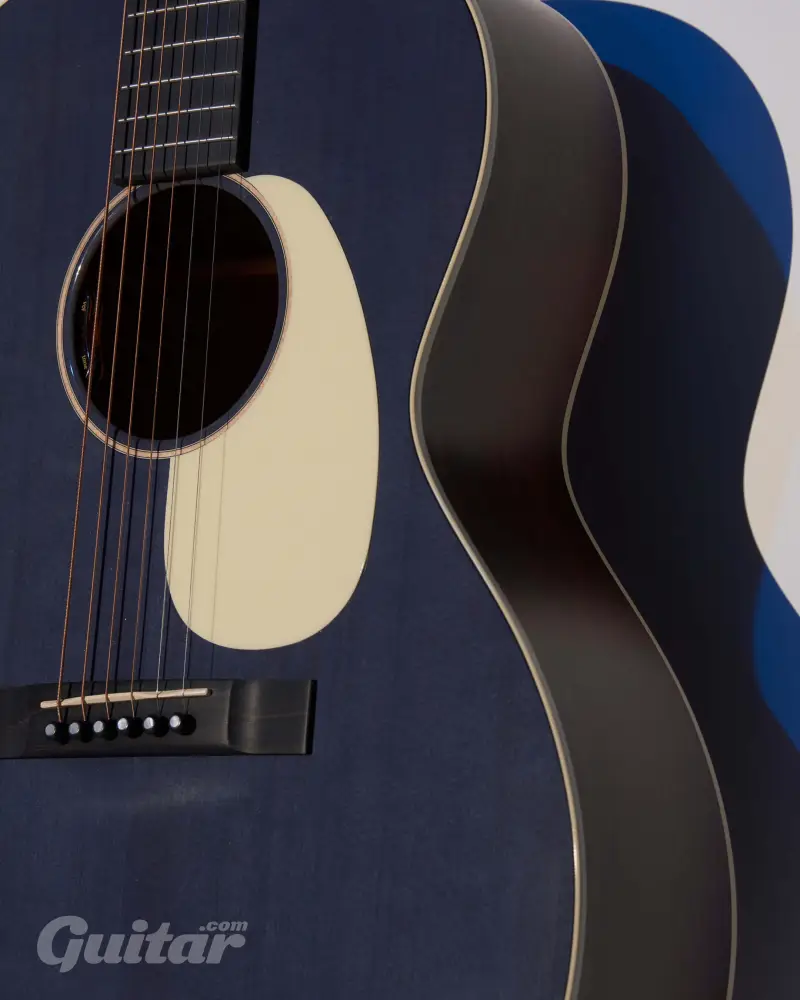
The finishes make the design shift immediately apparent. Cherry Cola, Blue Denim and Black Smoke move the 16 Series away from the natural spruce look many players associate with Martin. The coloured tops are translucent, however, so the Sitka spruce grain remains visible beneath the finish. Osisek says the team wanted to keep the wood on show rather than use an opaque coat that might conceal its appearance.
“We wanted to make sure that you’re still seeing the wood through the colour: it’s the best of both worlds”
That detail answers a familiar concern about painted acoustic tops: that a finish could mask lower-grade spruce. Osisek says the 16 Series uses good Sitka spruce, and the colour is intended to add personality while allowing the top’s grain to remain part of the instrument’s appearance. The result gives players a more individual visual option without abandoning the visible-wood character of an acoustic guitar.
Osisek says the finishes weren’t the result of a tightly calculated trend strategy. Martin wanted to offer players seeking the company’s familiar tone, playability and reliability a guitar that stood out visually. The distinction from a coloured D-18 or D-28 is deliberate: players have strong expectations for those model names, while the less prescriptive 16 Series gives the company more latitude to experiment.
Coloured acoustic tops have become more visible on festival and stadium stages, with artists including Taylor Swift, Noah Kahan, Olivia Rodrigo and Phoebe Bridgers playing instruments with more individual finishes. Martin’s launch in Nashville brought together artists including British guitarist Jake Bugg, Grammy-winning songwriter Brandy Clark and Canadian country artist Tenille Townes. Osisek singled out Jim Lauderdale’s reaction: Lauderdale spent about 20 minutes discussing the models and saying he would like to take them on the road.
For Osisek, that response suggests the visual choices can appeal across generations and playing styles. The colours catch attention, while the body designs and construction give the instruments a role beyond appearance. That combination is the point: players can choose a Martin with a different look while still getting the practical qualities they expect from the brand.
A defined home for experiments
Martin isn’t presenting the new range as a replacement for its core models. The company plans to continue making guitars such as the D-18 and 000-28, whose specifications and familiar outlines remain central to its catalogue. The 16 Series adds another set of choices for players who want a different body shape, finish or feel.
Osisek compares guitars to paintbrushes: different instruments bring different qualities to a player’s collection. His own view is that an acoustic guitarist can benefit from having a mix of body sizes and tonewood pairings, including larger and smaller bodies and rosewood and mahogany examples. The 16 Series supports that variety with its spread of shapes and a shorter-scale DSS option.
Martin now has a consistent idea for the 16 Series: a place to build US-made guitars that can carry unusual colours or body shapes without changing the identity of its established Standard models. For players, the practical draw is choice across size, scale and appearance, with the 00L offering a more accessible route to a shape tied to the CEO-7 and the DSS-16 bringing a 24.9-inch scale to the slope-shouldered format. The range is out now, and Martin’s new definition leaves room for further experiments.


