Janie Hendrix on Jimi’s Guitar Years, Marshall Amps and the Music He Still Inspires
Janie Hendrix recalls her brother’s path from young guitarist to musical innovator, and why Marshall amps helped him find his sound.
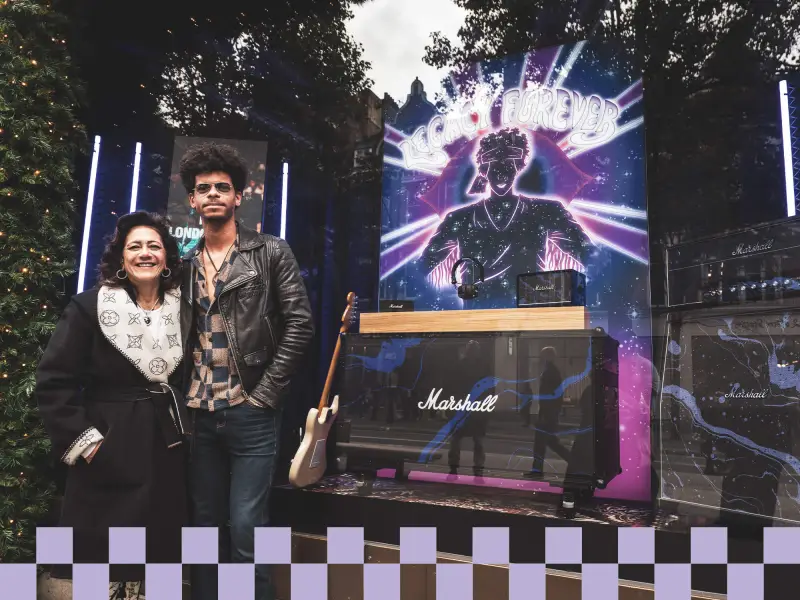
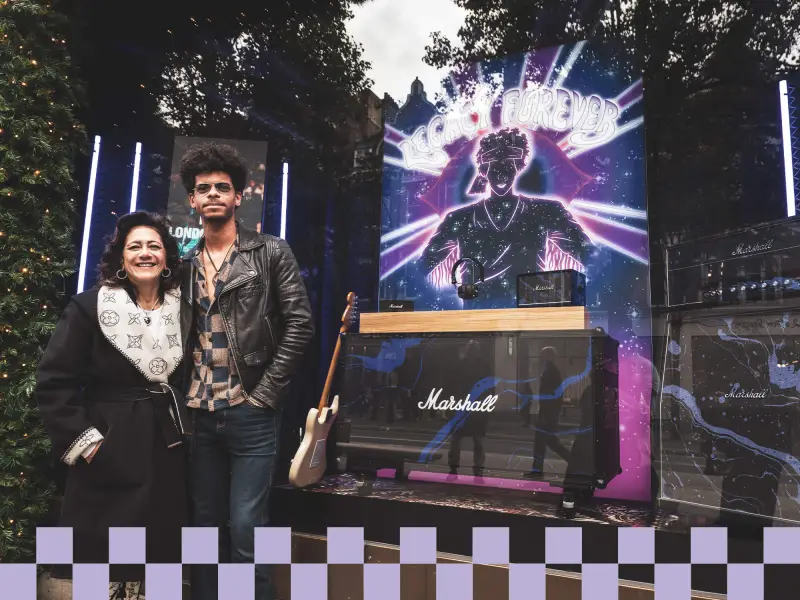
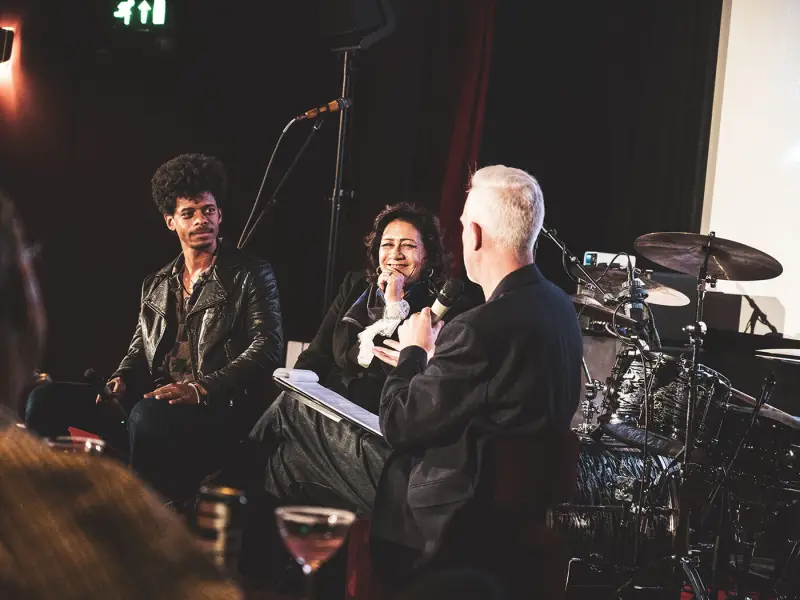
Jimi Hendrix’s sound came from more than instinct. His sister Janie remembers a musician who worked to make a life in music, chased the sounds he imagined and kept looking for what could come next. At an event marking 60 years of Marshall and Hendrix, she reflected on the person behind the guitar legend—and the role the amplifier maker played in helping him shape his sound.
Janie, CEO of Experience Hendrix, spoke in London beside equipment and merchandise from a new Marshall and Experience Hendrix collection. Her memories ranged from Jimi’s childhood curiosity to his ambitions for a larger band sound. The picture she paints is intimate: a brother who loved to draw, listened closely when people spoke, and brought the same curiosity to music that he once brought to the inner workings of a radio.
First, a curiosity about sound
Drawing, painting and cartoons were Jimi’s earliest creative interests, Janie says. He imagined becoming a commercial artist. Music eventually became the place where he could put his emotions, but his curiosity about it began early. Janie recalls a story their father told about coming home from electrician training to find Jimi, around seven years old, had taken apart the family radio.
When asked what he was doing, Jimi said he wanted to work out where the music came from. Their father saw a difference in how the two of them approached electricity: he was learning how to harness it, while Jimi was trying to set it free. That impulse—to investigate a sound and find ways to release it—would follow him into his music.
Jimi started learning guitar on instruments around the family home in Seattle. Their father later bought him a Supro Ozark on a layaway plan from Myers Music. He also bought a saxophone for himself, and the two planned to learn their instruments together. Jimi formed a band called the Rockin Kings. When someone stole his guitar after a performance, he waited weeks before telling his father, hoping it might turn up.
The family’s answer helped set his direction. Their father took the saxophone back to Myers Music and traded it for a Danelectro, telling Jimi he thought his son would get further with guitar than he would with saxophone. It was a practical gesture, but also a vote of confidence in the young musician’s focus.

The work behind the reputation
Janie is clear that Jimi’s ability wasn’t simply a gift that appeared fully formed. Before audiences knew him as a singular guitarist, he had spent time playing the chitlin circuit in Nashville and working through the difficult conditions of trying to establish himself. She recalls his story of fighting a cockroach in an alley over the last bite of a candy bar, and describes the lengths he would go to in order to find somewhere to sleep and keep moving toward his next opportunity.
That hard stretch matters to how his playing is remembered. The daring performances and startling sounds came from a musician who had put in years of work, and who had a clear sense of where he wanted to go. Janie says he wanted recognition in London, where a meeting with Marshall founder Jim Marshall—through drummer Mitch Mitchell—helped connect that ambition with an amplifier system capable of delivering the volume he wanted onstage.
Janie recalls Marshall as a key part of the sound Jimi was building. If the stage called for several stacks, the company could supply them. Other musicians heard Jimi playing through Marshall amps and sought the same sound for themselves. Her view is that the equipment was ahead of its time: Jimi had ideas for a sound that the technology could finally support at scale.

The link between player and amplifier is part of the 60-year story behind the current collection. It also points to a practical truth about guitar tone: an artist’s sound comes from the interaction between the musician’s ideas and the gear that can reproduce them in a room or on a stage. For Jimi, Marshall provided the scale he needed to make his ideas audible to a crowd.
A future he was still imagining
Janie remembers that Jimi was already thinking beyond the music he was known for. In their last conversation with their father, she says, he talked about making him “doubly proud” by creating a new kind of sound. He wanted a larger band sound and was sometimes tired of playing the same songs. His death in 1970 cut off a period of continuing change; Janie believes he still had a great deal to give.
She resists the easy thought experiment of dropping Jimi into the 21st century and asking what he might have done with modern tools. He would have been part of the changes as they happened, she says, and might have worked with younger musicians, helping them produce their music. That’s a more grounded way to imagine his future: as a curious artist responding to the people and sounds around him, rather than as a musician frozen in time.
His curiosity extended well beyond music technology. Janie remembers his interest in outer space and extraterrestrial life, including a conversation with their father about what they would do if a spacecraft landed nearby. Both said they would get in. The anecdote fits her account of a person drawn to unusual possibilities, whether they came from a guitar, a new sound or the wider universe.
Keeping the real person in view
That openness to new tools has a complicated echo in the present. As custodian of Jimi’s legacy, Janie encounters digitally created images that place him with people such as Miles Davis. Jimi and Davis were friends and spent time together, she says, but she hasn’t seen real photographs of them together. Such pictures can entertain, yet they can also blur the line between a convincing invention and a record of what happened.
For Janie, the answer lies in the surviving photographs, videos and concert footage. They give audiences a way to encounter the actual person and performer. Her work with Experience Hendrix, the Marshall collection, Experience Hendrix tours and archival releases all supports the same aim: to keep the music in circulation and invite new listeners to experience it directly.
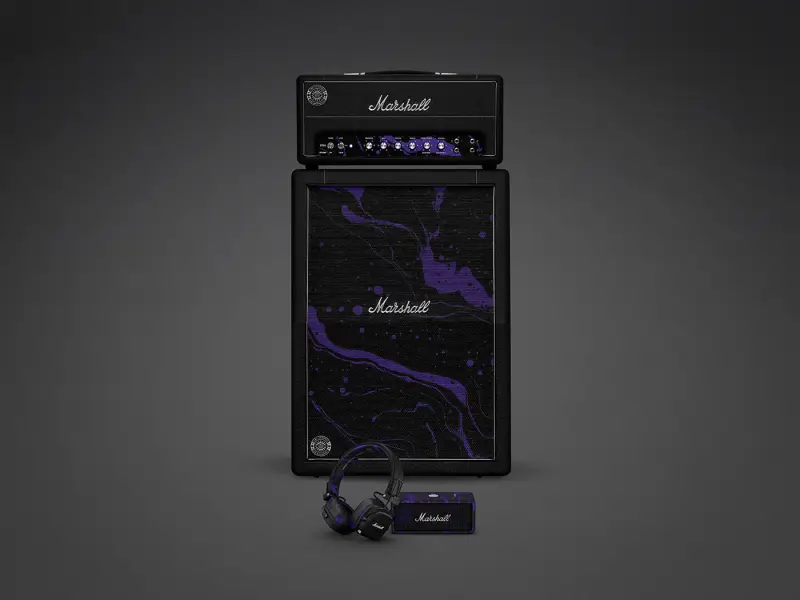
Janie says Jimi wanted people not only to hear the music, but to feel it in their hearts and minds. She remembers his phrase about waking up “the sleeping people” as a call to reach something within the listener. That hope gives the continuing performances, archival material and gear releases a purpose beyond commemoration: they offer musicians and audiences more chances to engage with the work itself.
Her connection to that work is also personal. Janie recalls making a promise with her brother when she was six: he would take care of her, and she would take care of him when she grew up. She didn’t expect that the promise would mean carrying his music forward after his death. For players exploring his sound, the Marshall story offers a reminder that equipment can open possibilities, but curiosity and sustained work are what give those possibilities a musical life.


