Matthew Followill on Kings of Leon’s Country Turn and the Guitars Behind O My Beloved
Followill explains how unusual guitars, live tracking and ambient textures shaped O My Beloved, Kings of Leon’s most deliberate change in sound.
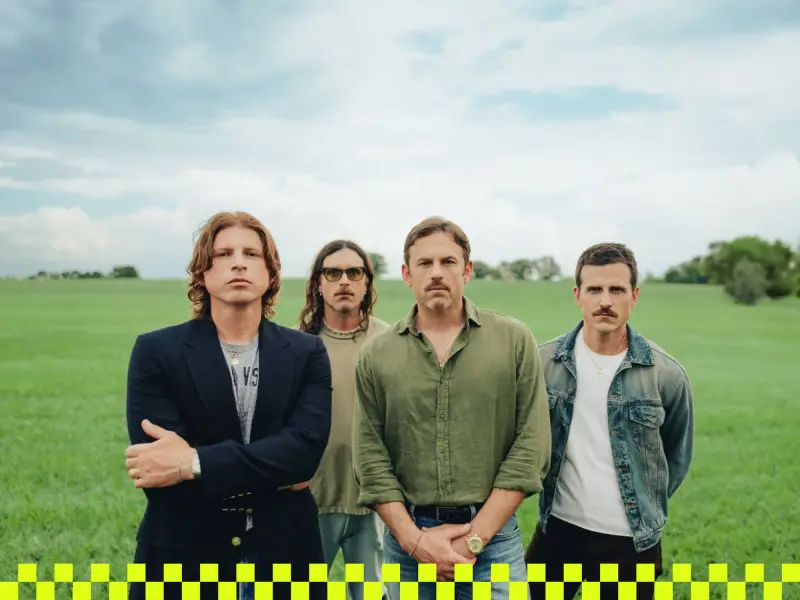
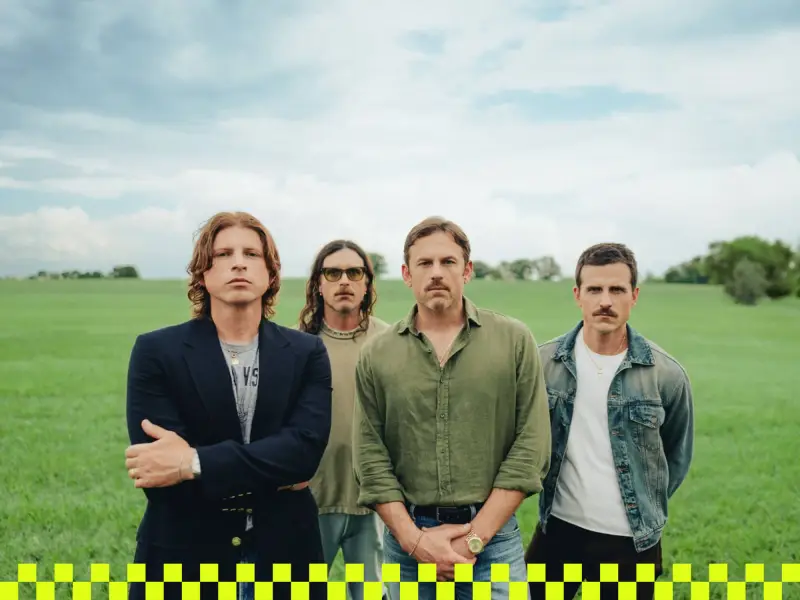
For Matthew Followill, the guitar parts on Kings Of Leon’s tenth album, O My Beloved, began with a simple brief: make the band sound different. That meant working with unfamiliar instruments, letting some songs take shape in live performances and resisting the urge to build every track from carefully separated guitar parts. The result leans further into Americana and country than the group has before, while leaving room for the atmospheric playing that has long appealed to him.
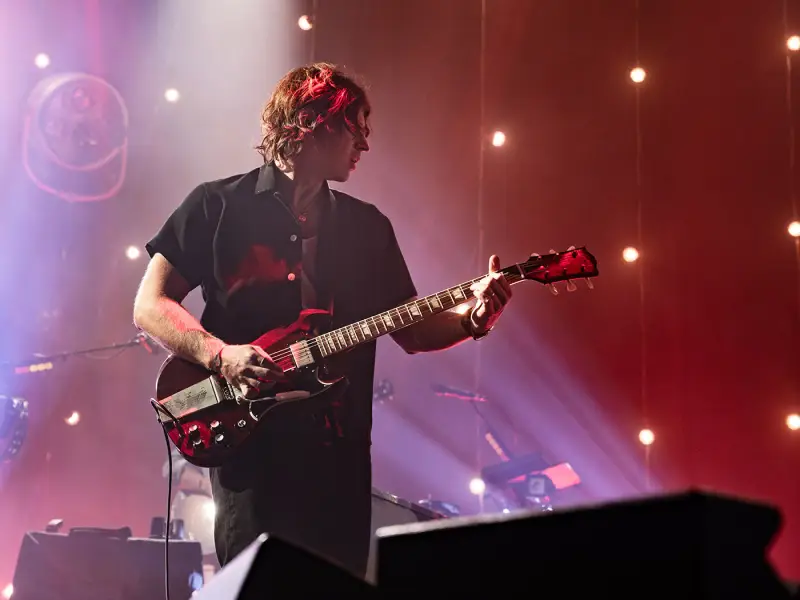
Followill discussed the album in London after Kings Of Leon played a 3,800-capacity show at British Airways ARC. The previous night’s two-hour set drew heavily on the group’s catalogue, with 2007’s Because Of The Times particularly prominent. Followill’s main guitar for the performance was a 1964 Pelham Blue Gibson SG. It may look like a vintage original, but he says it’s a Murphy Lab job, now fitted with a PAF bridge pickup.
It took him a while to warm to the SG. He began playing one only a few years ago, and at first found its longer neck unfamiliar. Now, he says, it feels natural enough that he can concentrate on the music rather than his hands. Its humbuckers also suit much of the band’s material, and the guitar can deliver a brighter sound when he needs one. “I don’t think anyone would ever find the perfect guitar,” he says, though this SG has become the one that feels best to him.
Finding a different guitar sound
O My Beloved moves away from the garage-rock grit and arena-sized arrangements associated with earlier Kings Of Leon records. The band formed in Tennessee in 1999, but its Southern roots often sat beneath the surface of music that drew comparisons to groups such as The Strokes and The White Stripes. Country touches appeared on earlier songs, including 2010’s Pyro and Back Down South, yet the new album lets that side of the band take a larger role.
Followill says country was the style the group had explored least. Caleb Followill’s voice has always carried a twang, he notes, while the band has moved through post-punk, garage rock and arena rock across its records. Two collaborations with Zach Bryan in 2025 now look like a natural lead-in to this album’s direction.
His approach in the studio changed with the material. Rather than assigning one guitar part to a verse and another to a later section, he tried to play along with the song in a more direct, traditional way. Three tracks were recorded live with Caleb singing, and Followill left his guitar takes untouched afterward. On past albums, he recalls, he could still be shaping a part after the rest of the band had finished recording. This time, he often felt in step with the songs from the start.
That didn’t make the record easy to play. Followill says its changing tunings, capo positions and harmonies make it the band’s most challenging album for him. Revisiting Because Of The Times can also mean digging out old pedals and adapting those sounds to the group’s present setup, though he doesn’t regard that record as especially difficult. Caleb has joked that Followill might need persuading to revisit the album for a possible 2027 anniversary. Followill suspects he was teasing.
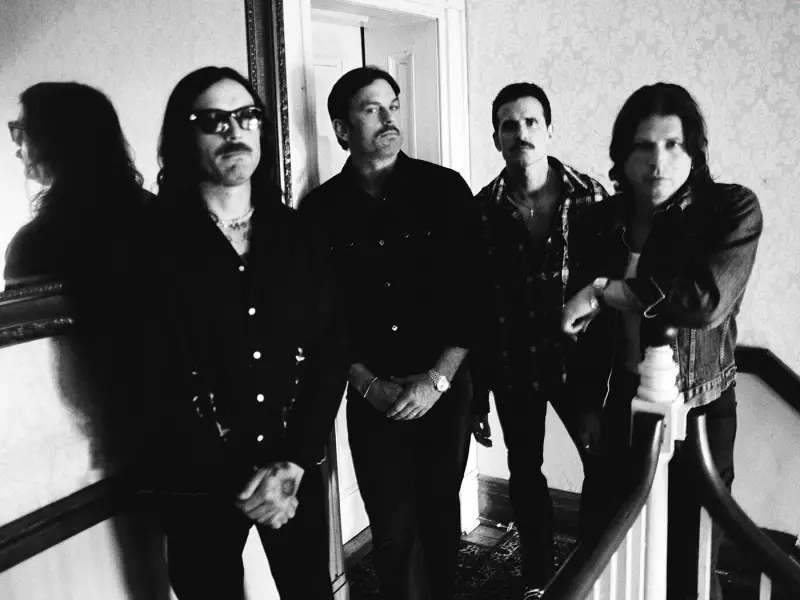
Several less familiar instruments helped Followill give the new songs their character. A 1960s Kalamazoo KG-2A, heard in the video for lead single My Whole World, was central to the album’s guitar sound. Caleb’s writing often starts on acoustic guitar, and Followill looked for parts that would complement that foundation while retaining some of the electric-guitar presence listeners associate with the band.
A hollow-body Kay-made Kraftsman was another useful colour. Followill used it on KOYSAR, drawn to its jazzy quality and the sound he got from the neck position. Elsewhere, a small Tweed amp turned up all the way and a Les Paul gave certain solos a more familiar Kings Of Leon edge. He also brought in a lap steel and fitted Certano benders to its B and G strings. Compared with the humbucker-equipped Les Pauls, ES-335s and Telecasters he has often used, the Kalamazoo and Kay Kraftsman opened up different possibilities.
Followill describes the search for those sounds as part of his role on the record: he wanted to keep looking for parts that would make the album feel distinct. The shift wasn’t simply a matter of adding country instruments. It also changed how he approached arrangement, using the unusual guitars to find parts that fitted Caleb’s songs without repeating the band’s familiar guitar patterns.
From early blues to ambient textures
Followill’s musical path began separately from that of his cousins Caleb, Jared and Nathan. Raised in Mississippi, he credits his father with introducing him to Led Zeppelin, Thin Lizzy and ZZ Top. A guitar teacher at his small church school gave him lessons, but he stopped after two, convinced he had learned enough to get started. At 14, he became absorbed in blues, buying records by B.B. King, Jimi Hendrix and Stevie Ray Vaughan at flea markets and learning songs such as Purple Haze from guitar magazines. Joining Kings Of Leon quickly showed him that his own playing would serve a different kind of band.
Curiosity still pulls him toward new instruments and other creative work. He has wanted to try synthesisers on Kings Of Leon records and learned photography partly because he imagined the band looking different. More recently, he has taken to acoustic guitars, which he says leave little room to hide behind. His eldest son is more interested in beats and production than guitar, but Followill reaches for his six-string when the children are at school.
In June, he released If We’re Apart, I’m Somewhere Missing You, an ambient instrumental album under the initials CMF, for Cameron Matthew Followill. He describes it as a spare-time project assembled from disconnected pieces: after buying old tape machines and wanting to learn Pro Tools, he put the recordings into a playlist and let them run. The loose process suited the material, which he wanted to feel authentic rather than tightly planned.
That solo work grew from an interest in atmosphere that also reaches back to Kings Of Leon’s third album. Followill says he began exploring pedals and reverb around that period and has kept an ambient quality in mind ever since. The hazy lead guitar in the bridge of Rose and the way he stretches out Manhattan onstage reflect the same instinct. For him, CMF offered space to follow it further, and some of those acoustic and atmospheric ideas later found their way back into the band.

Changing direction without losing the song
Because Of The Times remains a useful marker in Followill’s memory. He describes the early records as carrying some roughness that came from his limitations as a 17-year-old guitarist, while the third album was the first deliberate attempt to disrupt the band’s sound. In his view, the group made no similarly large shift until O My Beloved. Although each record has its own identity, he felt their overall character had remained close enough that a new direction mattered.
After finishing The Hand, Followill pictured a more mellow, open-ended mood: “desert highway, driving.” He wanted listeners to hear the change, and felt the band risked wearing out its familiar approach if it kept returning to the same sound. O My Beloved gave him a chance to follow that idea through different tunings, less familiar guitars and a looser way of playing.
Even older songs can take on a new life. Followill recalls being unsure of the chorus-heavy sound of 2013’s Wait For Me when it was made. The track has recently returned to Kings Of Leon’s set after gaining attention on TikTok, and he now enjoys hearing the audience respond when Caleb starts its riff. The experience has changed how he feels about the song.
Followill’s own measure of success remains straightforward: make the arrangement work and help the song land. He says he’s more interested in fitting into the music than standing out in the mix, a producer’s instinct that guides his guitar choices. With O My Beloved, that approach has led the band somewhere new while leaving a possible meeting point between its established sound and this more open, roots-oriented direction.
O My Beloved is out now via Love Tap Records.


