Blu DeTiger Builds N.Y. Baby Around Bass, New York and “Boogie Sleaze”
Blu DeTiger’s second album pairs punchy, singable bass lines with funk, disco and New York edge, guided by a studio blueprint she made herself.
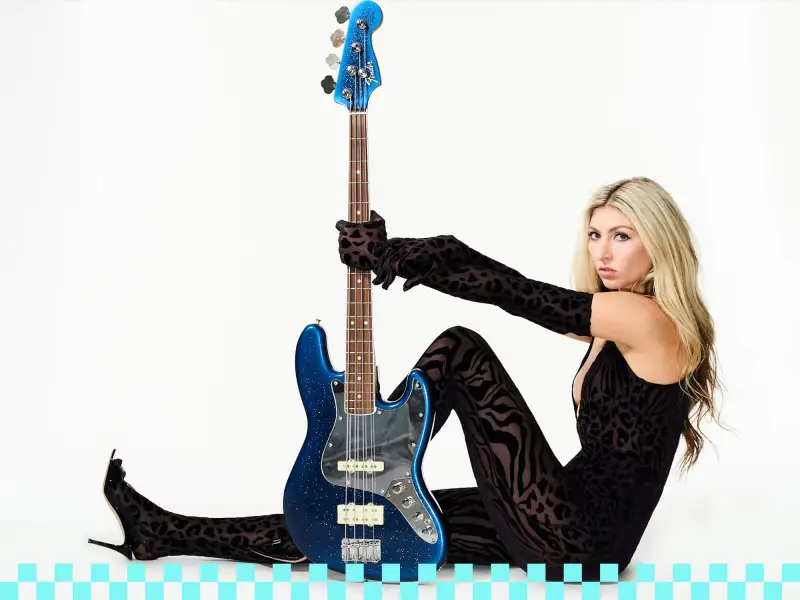
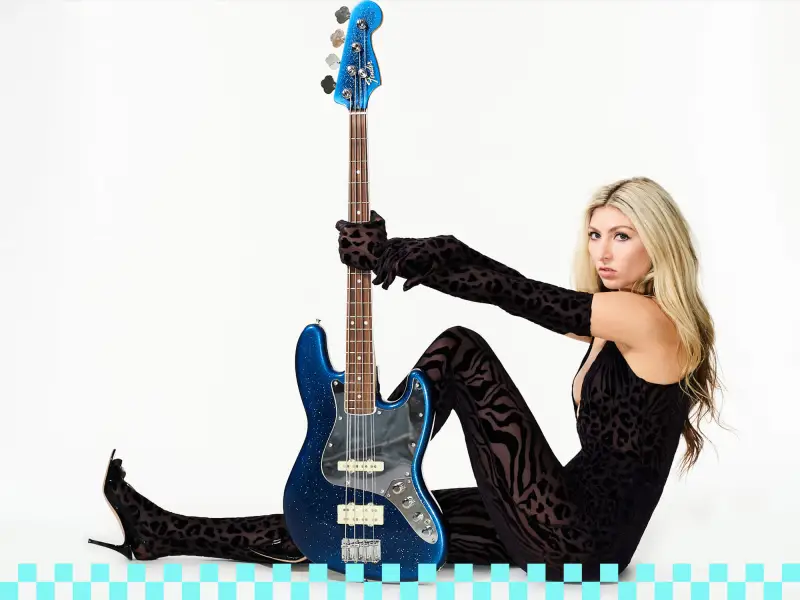
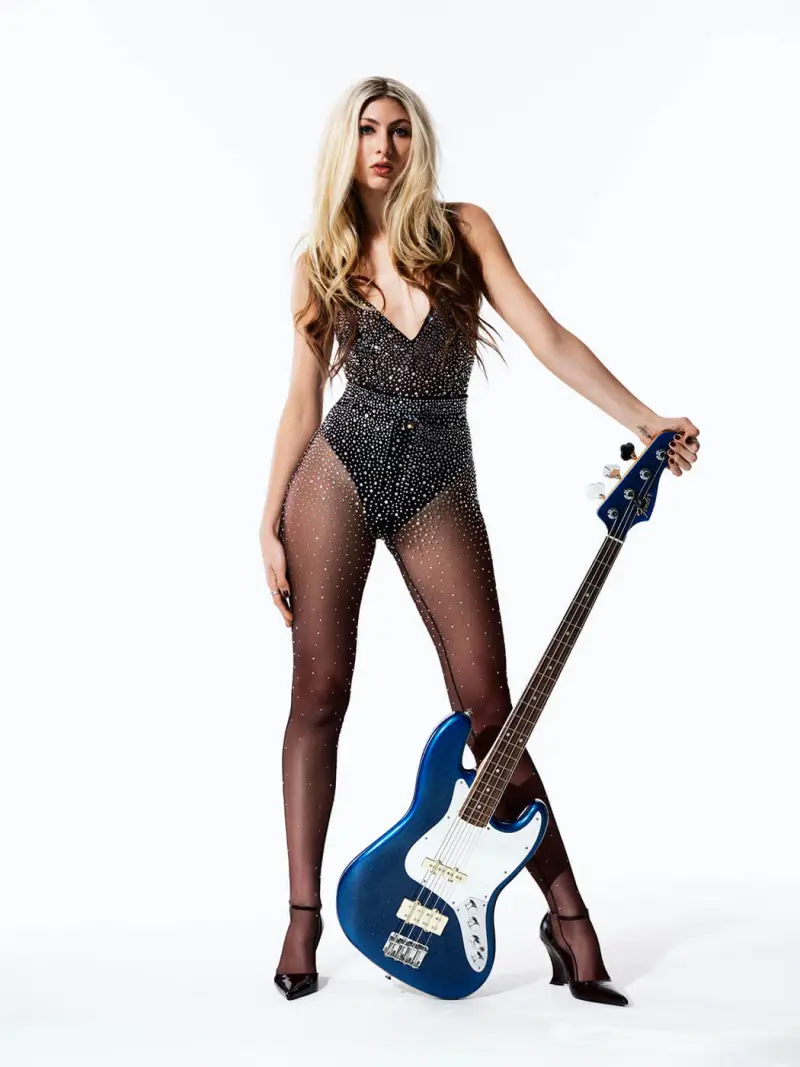
Blu DeTiger’s second album, N.Y. Baby, starts from a clear musical idea: make a record built to move people, with bass lines memorable enough to carry a tune and a sound that feels like New York. DeTiger calls that sound “boogie sleaze,” a mix of funk, soul, disco and boogie with the city’s sharper edge. The name is playful, but the thinking behind it is focused: every part of the record serves a distinct mood and a strong groove.
New York is more than a setting for the album. DeTiger was born and raised there, and says the city shaped her musical path from the beginning. She wanted the songs to suggest independence, freedom and possibility, while leaving room for chaos, desire and a little theatricality. That combination gives N.Y. Baby its character: polished pop that still has a downtown streak.
A New York foundation
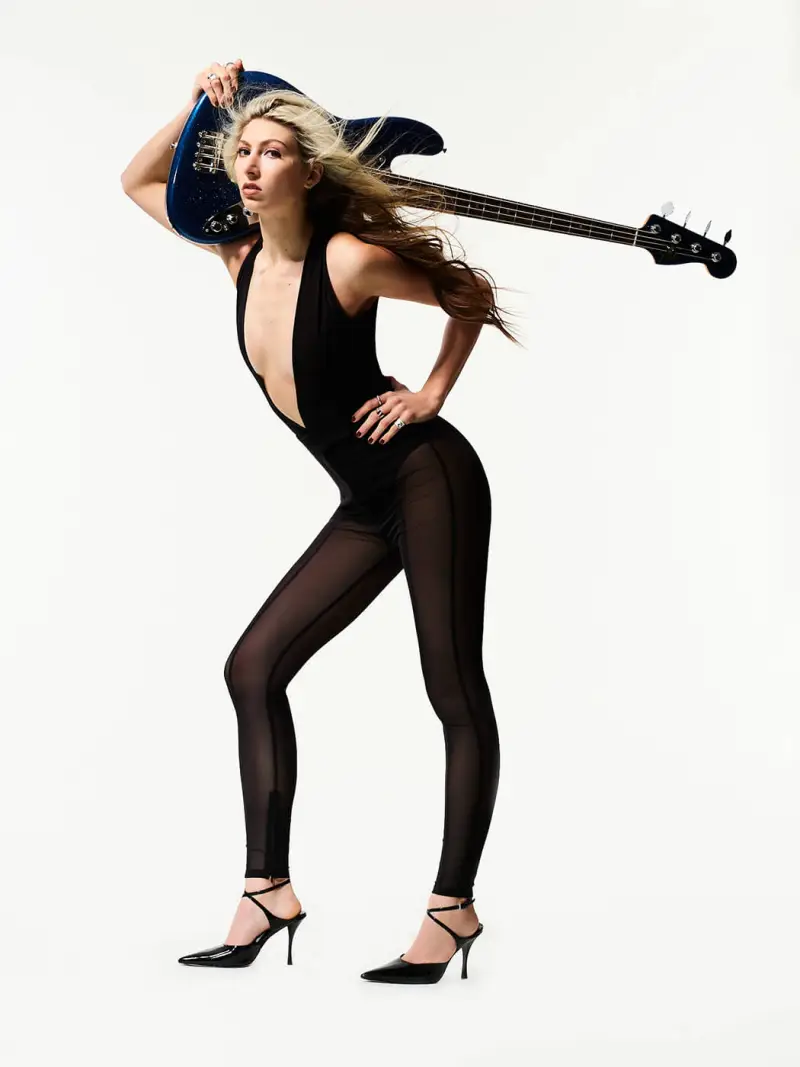
DeTiger grew up admiring New York figures including Chloë Sevigny, Blondie’s Debbie Harry and Talking Heads bassist Tina Weymouth. She picked up the bass early and played CBGB before she turned ten. By middle and high school, she was gigging around the city, playing for other artists and DJing. Each engagement helped lead to the next: someone would see her play, then bring her into another room or onto another bill.
She began releasing music under her own name in 2019, developing a sound that puts buoyant, funk-driven parts at the center. During the Covid-19 lockdowns, bass covers of tracks by Doja Cat, Megan Thee Stallion and Prince reached a wide audience online. Her 2021 EP How Did We Get Here? and 2024 debut album All I Ever Want Is Everything followed, alongside high-profile appearances and collaborations.
Those included a guest appearance in Olivia Rodrigo’s concert film Driving Home 2 U and a performance with Bleachers on Saturday Night Live in 2022. DeTiger is also set to join Jack Antonoff on a UK tour later this year. In 2024, she became the first woman and youngest bassist to release a Fender signature model, a milestone that connects her playing career to an instrument other musicians can use.
A self-directed studio brief
N.Y. Baby took shape during a stretch when DeTiger had no label or management. She used that time to return to her roots and decide what she wanted to make without outside direction. That meant backing her own taste: she trusted that if she made music she loved, listeners who shared that enthusiasm would find it too.
To keep the sessions aligned with that intention, DeTiger made a PowerPoint presentation to use as a creative reference. It laid out the album’s desired feel—danceable, sexy and slick, with tracks that could work in DJ sets—and included visual ideas and production notes. That sort of brief can give a studio team a practical point of reference as arrangements and sounds develop. Here, it helped hold together a record that moves between distinct styles while retaining a consistent identity.
The track list puts that range to work. “Makeup” rides a cowbell groove; “Rize” adds touches of psychedelia; the title track brings in Flavor Flav, whom DeTiger describes as a supportive friend; and “Heat” leans on house beats. The production is tightly arranged beneath the album’s easy, danceable surface. Instrumental details and layered parts give the songs their shape, even when the hooks land quickly.
Bass lines built to lead
Most of the songs began with bass. DeTiger wanted the instrument to drive each arrangement, rather than simply fill out the low end. Her test for a strong part is demanding: it should hold the groove, support the song structure and move the track forward, while being catchy enough to sing back like a vocal melody. It also has to be enjoyable to play. That last requirement is audible in the music’s buoyant feel.
In the studio, she mostly used her signature Fender bass. DeTiger played on the back pickup, describing the resulting tone as more midrange-focused and punchy, in the vein of Bernard Edwards. It’s a useful detail for players listening closely to the record’s sound: the bass has a clear, forward presence that helps carry the arrangements without losing the groove.
Two years after her signature model first appeared, DeTiger still takes particular pleasure in hearing other people play it. She sees an instrument as a tool for self-expression, and says it means a lot when someone uses one she helped create to express themselves. Young players, especially women, have also told her that her work encouraged them to pick up bass. Fender has worked with her on the instrument, and a new colourway is in development for this album.
As DeTiger prepares to take N.Y. Baby on tour, her aim for the live set is direct: get people dancing, help them leave their heads behind for a while, and send them out feeling good. The album’s bass-led arrangements and shifts from funk and disco to house give that plan a solid foundation. N.Y. Baby is out now, and DeTiger is scheduled to support Bleachers on their UK tour in November and December 2026.


