Nikon ZR Firmware 2.00 Adds Log3G10 H.265, High ISO NR Control and HDMI LUT Output
The free Nikon ZR update adds RED’s Log3G10 color pipeline to H.265, adjustable noise reduction and HDMI LUT output, with open gate planned for 2027.
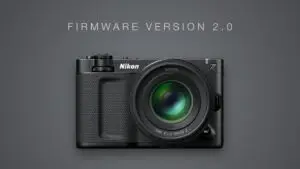
Nikon ZR firmware 2.00 makes the camera’s H.265 workflow more compatible with its R3D NE RAW footage and gives operators more control over noise reduction and monitoring. The free update also adds 3D LUT output over HDMI and expands which functions can be assigned to the command dials. For crews moving between the ZR and RED cameras, the shared Log3G10 and REDWideGamutRGB color pipeline is the central change: H.265 clips can now use the same LUTs and grading setup as R3D NE material.
Log3G10 comes to H.265
Before this firmware, Nikon N-Log was the camera’s only log option for H.265 recording. Version 2.00 adds Log3G10 gamma and REDWideGamutRGB, matching the gamma and gamut the ZR uses for R3D NE RAW. That gives editors a more consistent starting point when a project mixes the camera’s H.265 footage with its RAW files or footage from RED cameras.
The practical benefit is a simpler color workflow: a LUT and grading approach prepared for the shared color pipeline can also be applied to the ZR’s H.265 recordings. H.265 remains a different recording format from R3D NE RAW, but the common gamma and gamut can reduce the need to manage separate log transforms across those sources.
Firmware 2.00 also adds four High ISO noise reduction settings: Off, Low, Normal and High. They are available for H.265 with Log3G10, H.265 with N-Log, and ProRes 422 HQ with N-Log. This gives operators a choice between applying less processing in camera and handling noise reduction later in post, or retaining more of the camera’s internal reduction.
That flexibility matters because internal noise reduction can affect the texture of footage, while post production gives editors more room to make choices shot by shot. The update also suppresses frame-to-frame black-level fluctuation, which Nikon says reduces flicker in dark image areas. Together, the controls offer more room to shape low-light footage, though the best setting will depend on the scene and the intended grade.
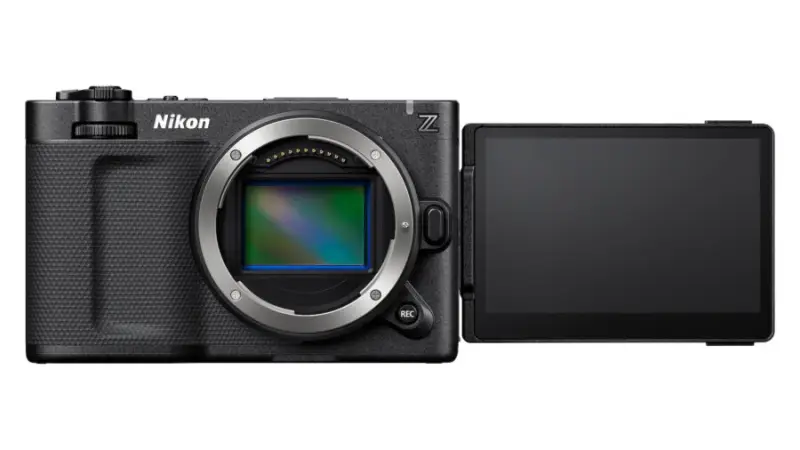
HDMI monitoring has format limits
The ZR can now send a 3D LUT over HDMI to an external monitor. That can help a camera operator or focus puller view a more finished image while the camera records log footage. Focus peaking also remains visible when recording R3D NE with a LUT applied, keeping a focus aid available in that monitoring setup.
Nikon lists several limits for HDMI LUT output. Applying a LUT reduces the HDMI output resolution to Full HD. At 60p and 50p, the image refresh rate is halved, although the output frame rate remains at 60p or 50p. Nikon also notes that the HDMI signal can disconnect with some video settings. These restrictions apply to the HDMI feed; the camera’s rear monitor is unaffected.
An Fn button can switch View Assist between the selected LUT and a flat log image. While recording, the operator can change View Assist, but cannot switch the 3D LUT itself on or off. That distinction matters when setting up a monitor workflow: the button changes how the image is viewed, while the LUT output remains governed by the camera’s selected settings.
The command dials can now be assigned to ISO, exposure compensation, white balance or color temperature. These options let operators put frequently adjusted exposure and color settings under direct dial control, which can be useful when working quickly or when menu access is awkward on set.
Open gate is still planned
Open gate recording and an anamorphic de-squeeze display are not included in version 2.00. Nikon has said it is developing both features for the ZR, with an intended release in 2027. No firmware version or specific release date has been announced. For crews planning a workflow around those functions, the current update delivers the color, noise reduction and monitoring changes, while the two format and display additions remain on Nikon’s roadmap.
Download and camera pricing
Firmware 2.00 is available as a free download from the Nikon Download Center. Nikon cautions users to install the update only with a Z-mount NIKKOR lens or an FTZ II/FTZ mount adapter attached; using other lenses or adapters could cause the camera to malfunction.
The Nikon ZR body is listed at $2,196.95 at B&H. CVP lists it at €1,988.10 excluding VAT or €2,405.60 including VAT. With the update installed, the most immediate workflow decision is whether to bring H.265 into the same Log3G10 grading path as R3D NE, and how much in-camera noise reduction to retain for each recording format.


