Fujikina NYC 2026 Put Photography, Photowalks and Community First
Fujikina drew 7,564 ticket buyers to nine Lower East Side venues, with hands-on sessions and exhibitions centered on photography and connection.
Fujikina NYC 2026 made its strongest case for photography through the things people did together: listening to photographers, walking the Lower East Side with cameras and looking at images in person. Across three days, the festival brought 7,564 ticket buyers to nine venues, and FUJIFILM reported that more than three quarters of visitors were new to the company. That reach may be the weekend’s most telling result: a long-established camera maker drew people in with a photography festival, rather than a gear showcase.
A festival spread across the neighborhood
Held October 16–18, Fujikina centered on the FUJIFILM Brand House, with eight more venues spread across a few blocks. A $10 Experience Pass covered most of the program; some workshops and photowalks required a small additional fee. FUJIFILM said almost every bookable session filled up.
The scale grew beyond the early figure shared during the event. Organizers initially reported more than 6,500 sign-ups and said around 70% of those visitors had not previously been in contact with the company. The final numbers FUJIFILM provided were 7,564 tickets sold, with more than three quarters of attendees new to the brand. For a festival built around photography rather than product demonstrations, that’s a substantial audience beyond the company’s existing community.
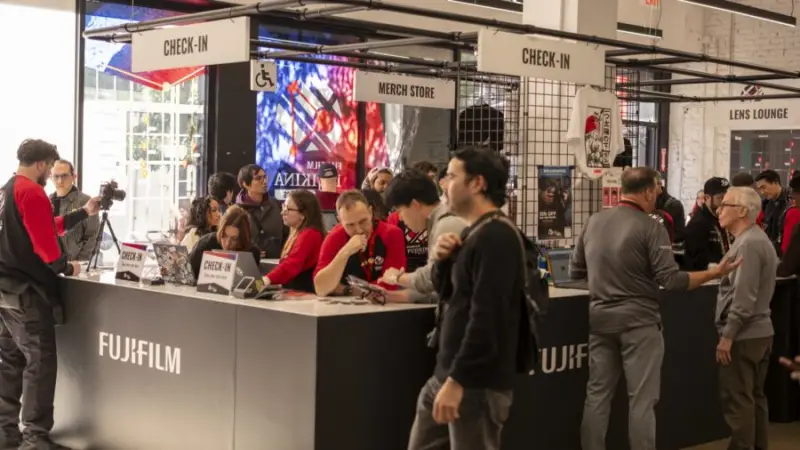
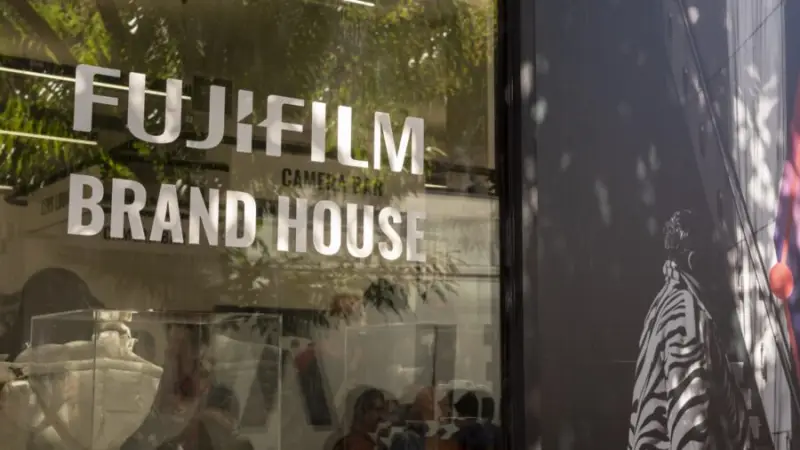
The FUJIFILM Brand House was the center of Fujikina NYC. Image credit: Nino Leitner (CineD)
Photographers shared their methods in the room and on the street
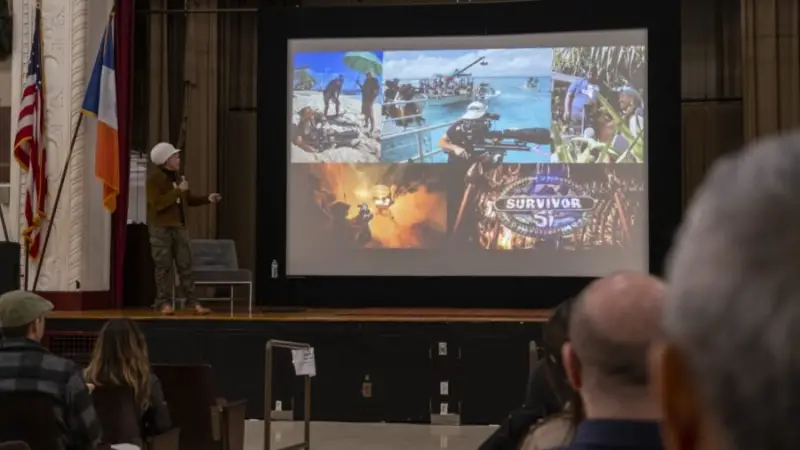
The schedule brought photographers and filmmakers together for talks, presentations and workshops, with street photography a recurring focus. Danish photographer Jonas Rask stood out for the way his practice combines careful composition and experimentation. His street work often uses double exposures, with a close attention to shape and form. Outside photography, Rask works as a medical doctor; he has also created FUJIFILM product images since 2019. His portfolio offers a closer look at the work behind his Fujikina presentation.
Rask was one of many working photographers who shared both finished images and the thinking behind them. The program made room for people to discuss how they approach a frame, then put those ideas into practice during walks around the neighborhood.
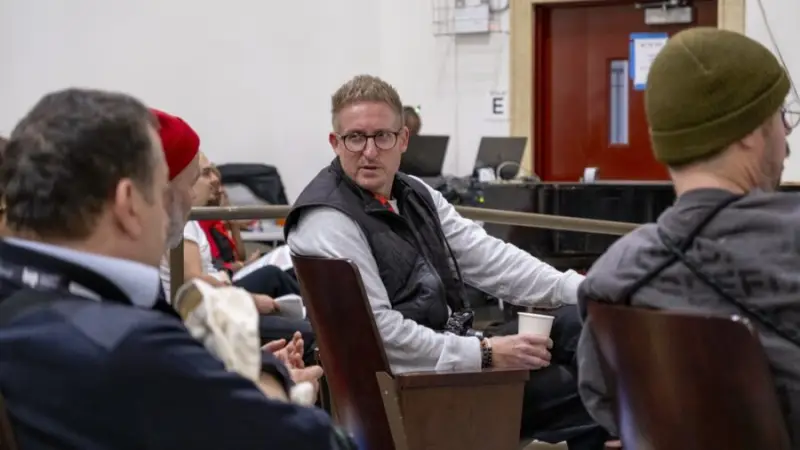
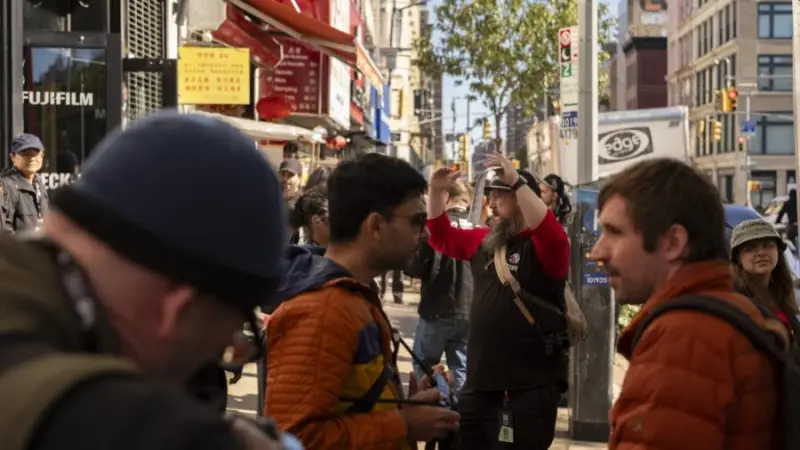
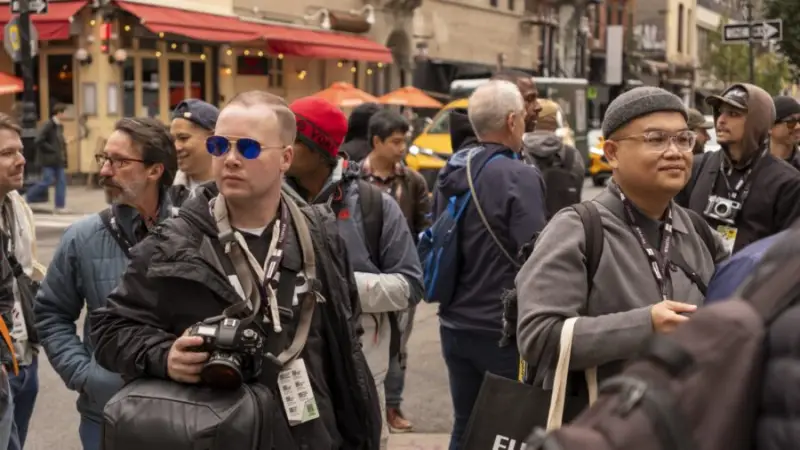
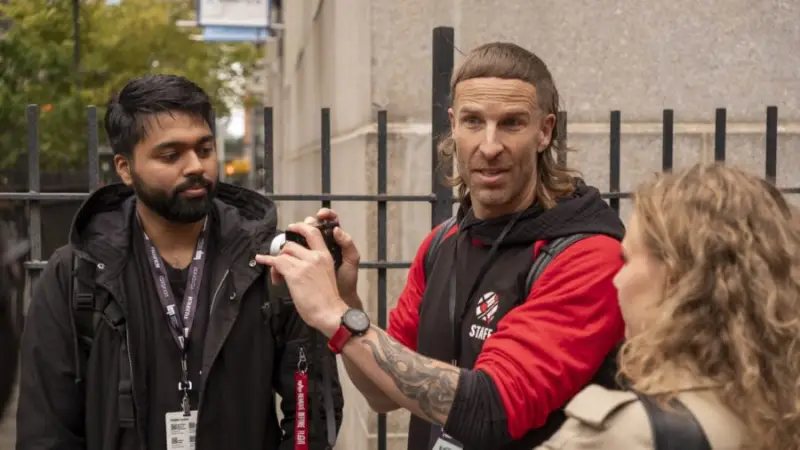
That connection between the sessions and the city gave the event its most useful rhythm. After hearing a photographer talk, visitors could head outside with that perspective fresh in mind. The festival attendee reporting from the event found himself walking without a client, a shot list or a planned assignment, and taking pictures for the enjoyment of it. It’s a small but meaningful shift in purpose: practice can feel different when the only brief is to pay attention.
Ludlow Street turned into a gathering place
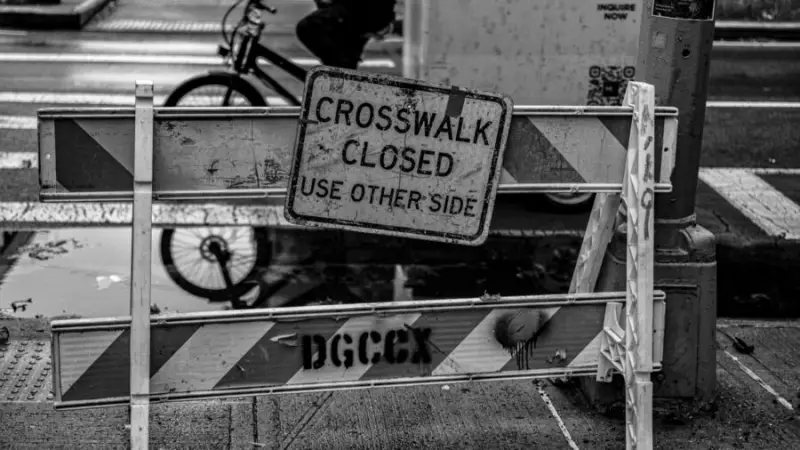
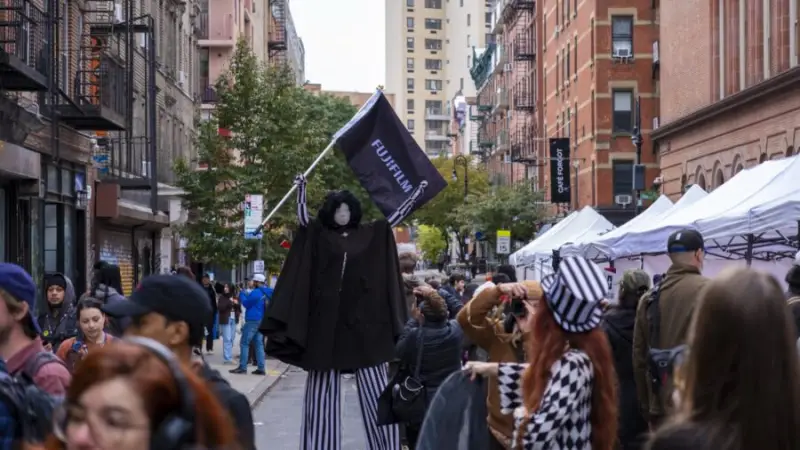
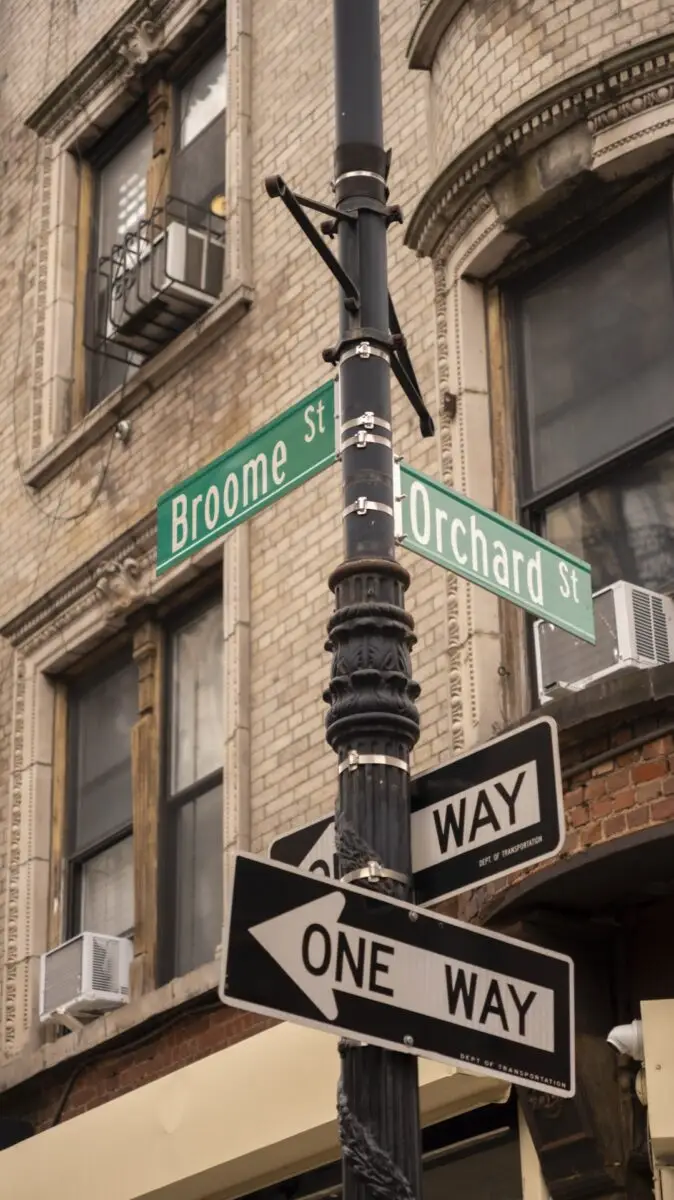
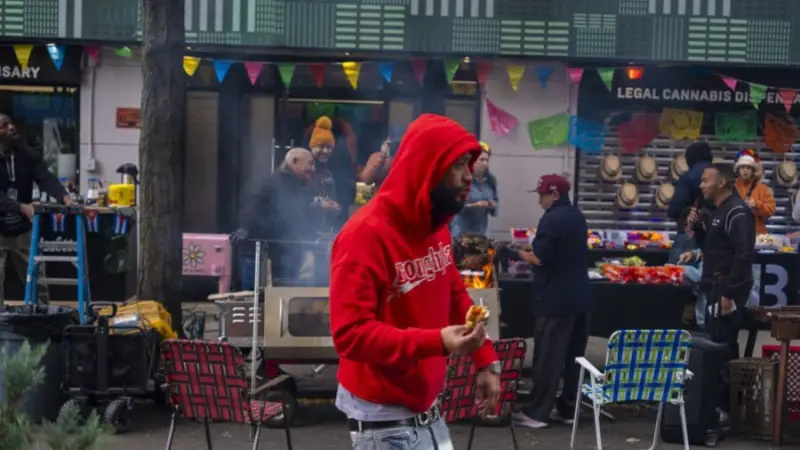
On Saturday, Ludlow Street closed to traffic for a street fair. Circus performers gave photographers and filmmakers moving subjects to work with, while tents hosted accessory makers from photography and filmmaking. The presence of vendors didn’t turn the day into a conventional trade show. Conversation stayed focused on photographs, creative choices and the people making the work.
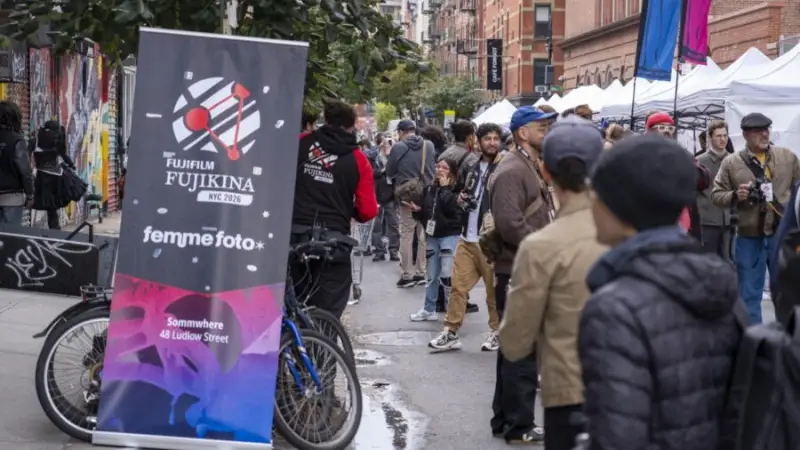
For visitors who did want to try equipment, the Brand House offered FUJIFILM cameras and lenses to borrow free of charge during the festival. That gave attendees a practical way to shoot while moving between venues, without making gear the main attraction. One potential addition for a future edition would be a space for video users to try the GFX ETERNA 55 and ETERNA ProRemote app.
Exhibitions brought a wider view
Local and international photography organizations gave the program depth beyond workshops and street activity. The International Center of Photography (ICP), Magnum Photos, World Press Photo and FotoFest were among the event’s key partners. ICP also hosted programming as one of the nine venues, making it a natural stop for visitors moving between locations.
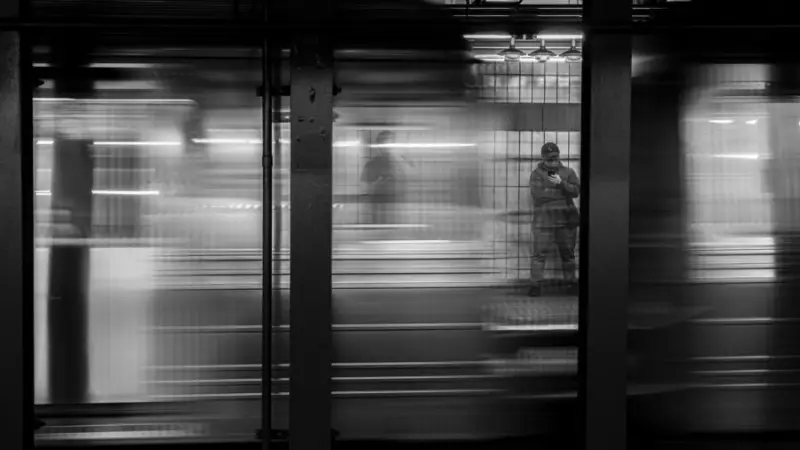
The exhibitions ranged from FUJIFILM’s own photographic history, including “15 Years of X Series,” to work addressing social issues. At ICP, Laia Abril’s exhibition “On Rape and Institutional Failure” sat alongside the World Press Photo Exhibition 2026. These shows gave the festival a more considered edge: photography can be a craft to practice, a history to revisit and a way to bring difficult subjects into view.
A weekend centered on human-made images
Across three days, the event attendee didn’t hear discussion of AI. The observation reflects the character of the gathering: people were occupied with their own pictures, one another’s work and the experience of making images together. That doesn’t settle broader questions about AI’s effects on photography and filmmaking. It does show that there’s still an appetite for time spent with real photographers, real places and images made from individual points of view.
Fujikina’s focus on creative work and connection felt consistent throughout the event. The camera technology was present in the loan program and in the photographs on display, but the festival’s emphasis stayed on what people make with it. That balance is a useful model for gear makers: give visitors access to tools, then create enough room for skill-sharing, curiosity and community to take the lead.

FUJIFILM plans to take the format further
FUJIFILM described the New York event as a starting point for continued community work in the city with local organizations such as ICP. The company also plans to bring a similar approach to other US cities through Create With Us: On Tour, its regional event series. Photographers Reuben Wu, Casey Cavanaugh and Jonas Rask each told FUJIFILM that Fujikina NYC was the best photography festival held in the US. Those are their personal assessments, while the attendance figures offer a separate measure of the event’s reach.
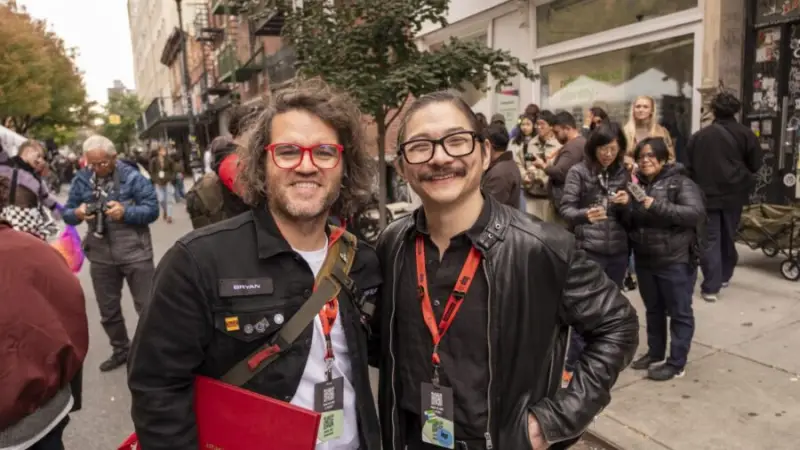
For the photographer who attended, the lasting takeaway was renewed energy to go out and shoot. That’s a practical measure of a festival’s success: people leave with ideas they can use and a reason to pick up a camera again. Fujikina’s next stops will show whether this neighborhood-scale mix of talks, walks, exhibitions and open access to gear can travel just as well elsewhere.