HEDD Audio HEDDphone DX: 50mm Carbon Driver and 20Hz Bass Claim at £999
HEDD’s open-back DX pairs a new 50mm carbon driver with a 310g suspension headband. Its 20Hz bass claim lacks published measurement details.
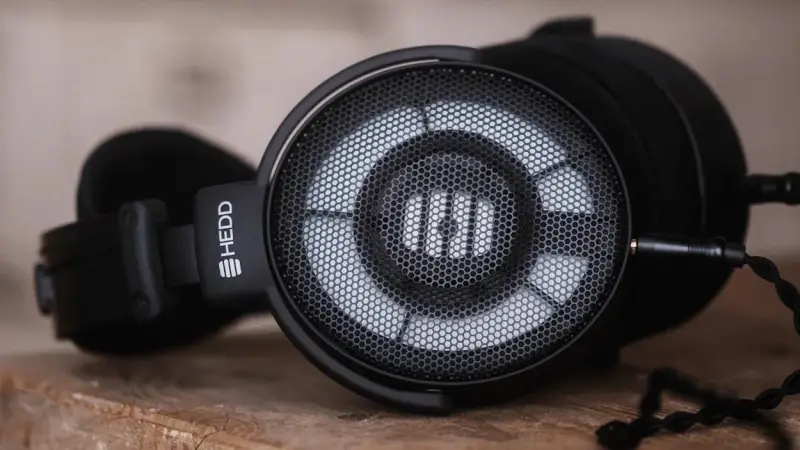
HEDD Audio’s HEDDphone DX arrives at £999 / $1,199 / €1,199 with a new 50mm driver and a manufacturer claim of full bass output down to 20Hz. That low-frequency figure is the model’s most consequential promise for mix work, but HEDD hasn’t supplied a response graph, tolerance window or distortion measurement to define it. For now, the DX’s place among open-back studio headphones rests on specifications and listening tests still to come.
The DX also brings a neoprene suspension headband developed with Capra Audio, an assembled weight of 310g, a revised open-back grille and a balanced cable in the box. Pre-orders open on 24th November, with shipping expected from late November through retail and distribution partners. It costs £400 more than the D1’s £599 launch price and sits between mid-priced studio references and the more expensive Sennheiser HD 800 S.
A new driver, with a low-end claim to verify
HEDD describes the DX as retaining the D1’s midrange character while extending its bass. The 50mm high-excursion Thin-Ply Carbon Diaphragm is designed to move in a controlled way, which the company says enables deeper bass without obscuring vocals. That could make the DX useful for checking kick, bass and sub content when monitors aren’t available, a common limitation of open-back dynamics at the bottom of the spectrum.
There’s a practical distinction between reaching 20Hz and maintaining a defined output level there. HEDD says the DX holds full output down to 20Hz, but without a response curve or stated tolerance, it’s not possible to tell how that claim translates across the audible range or how the headphones behave at higher playback levels. Engineers considering the DX for low-end decisions will need independent measurements and listening comparisons before treating it as a substitute for a familiar monitoring setup.
The diaphragm uses ultra-thin carbon layers shaped and aligned using principles HEDD associates with racing sail construction. The company says the approach controls membrane movement, reduces unwanted resonance and lessens the need for damping material. Those are design aims, not published test results; how much they affect transient detail, distortion or tonal balance remains to be established through measurement and use.
Fit, accessories and the D1 upgrade path
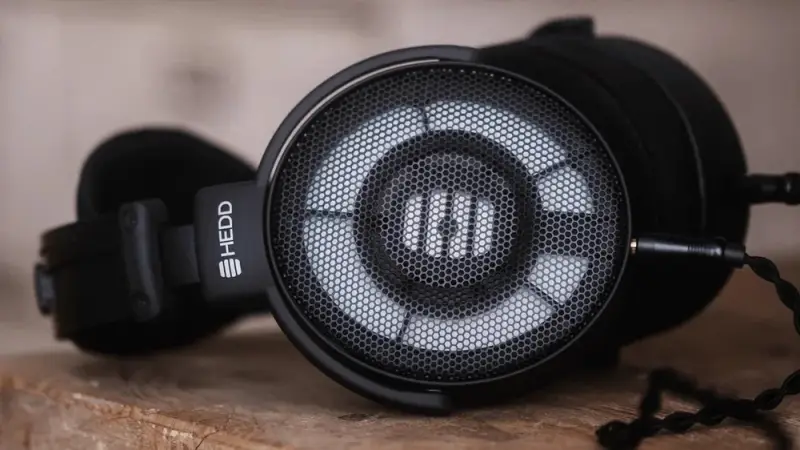
At 310g, the DX uses an elastic neoprene suspension band to distribute its weight. Capra Audio developed the band with HEDD, which is also making it available to existing D1 owners as an £84 / $99 / €99 upgrade kit from 7th December. For engineers who already know the D1’s sound, that kit offers a way to change the fit without buying a new headphone.
HEDD plans to sell an updated D1 with the new band fitted as standard from 21st January 2027. The revised model is specified at 30g lighter than the current D1 and priced at £699 / $899 / €799. That places it £100 above the D1’s original launch price in each currency, while remaining £300 below the DX in pounds. Buyers weighing the two models will need to decide whether the DX’s new driver and claimed bass extension justify that gap.
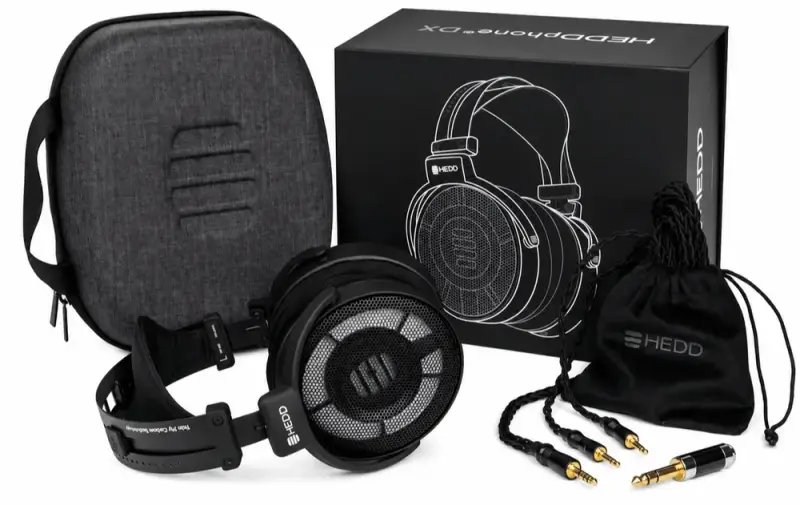
The DX includes a 2.2m eight-strand braided OCC balanced cable and a travel case with a double protective layer. HEDD also specifies a new open-back grille and laser-engraved headband detailing. The headphones are assembled in Berlin, with all parts replaceable; an extended five-year warranty is available. Replaceable parts can matter over a long studio service life, though the available details don’t specify the terms or cost of that extended coverage.
Where the DX sits against studio alternatives
At $1,199, the DX is roughly $500 above the Neumann NDH 30 and Beyerdynamic DT 1990 Pro MKII. The NDH 30 uses a 38mm dynamic driver, launched at $649 and is listed at $699 at Sweetwater. Neumann positions it around the sound of its KH monitors, and its folding design helps with transport. The DT 1990 Pro MKII is listed at $699.99.
The Sennheiser HD 800 S, at $1,799.95, costs about $600 more than the DX. HEDD points to soundstage as a quality of its new model, but there’s no comparative data to show how it performs against the Sennheiser. Each headphone also brings a different price and design proposition, so a useful comparison will depend on fit, tonal balance, spatial presentation and how reliably each model supports the listener’s work.
The DX’s premium over the NDH 30 and DT 1990 Pro MKII buys HEDD’s new driver, its stated extension to 20Hz, the revised grille, balanced cable and travel case. The D1 upgrade kit is the more focused option for current owners whose main concern is headband comfort. For prospective buyers, the next useful evidence will be independent measurements and extended listening against familiar monitors and headphones.
Price and availability
- Price: £999 / $1,199 / €1,199
- Pre-orders: Open on 24th November
- Shipping: Expected from late November through retail and distribution partners
- D1 headband upgrade kit: £84 / $99 / €99 from 7th December


